Explore Kleve
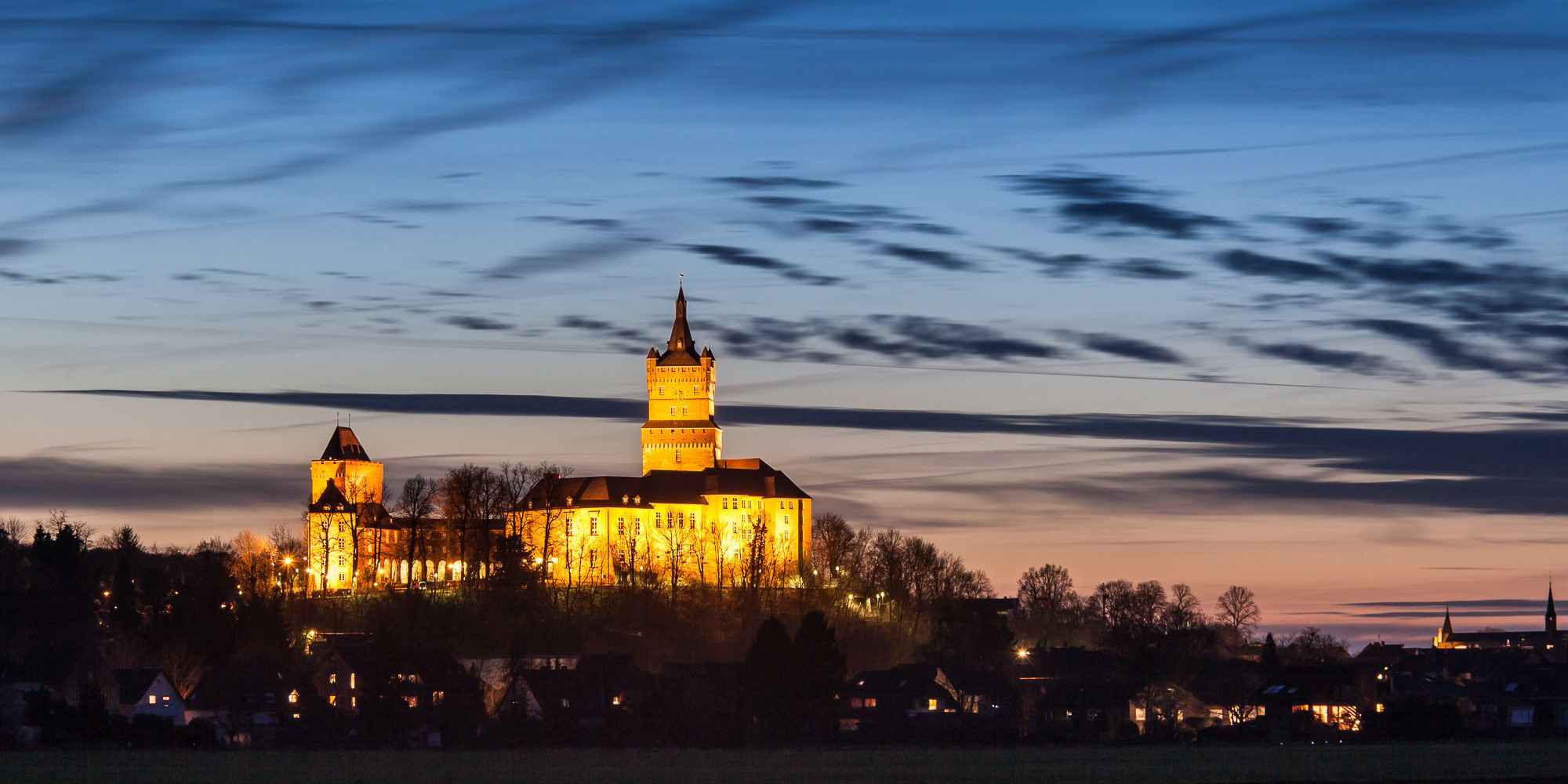
What to look for on Schlossberg, and why seeing the exterior, climbing the tower and joining a tour require different plans.
Explore Kleve
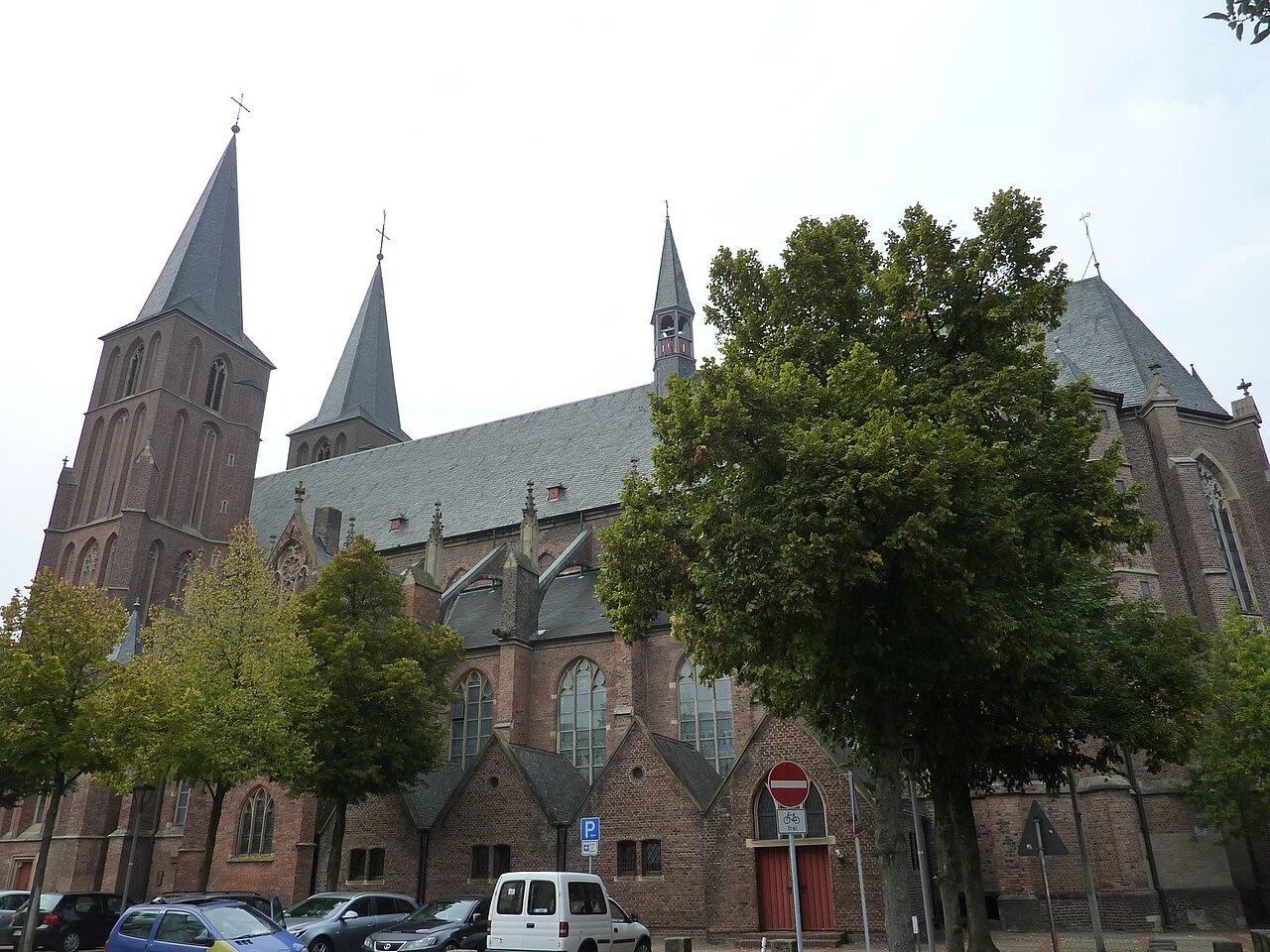
A church visit connecting Gothic space, rebuilding and public remembrance.
Explore Kleve
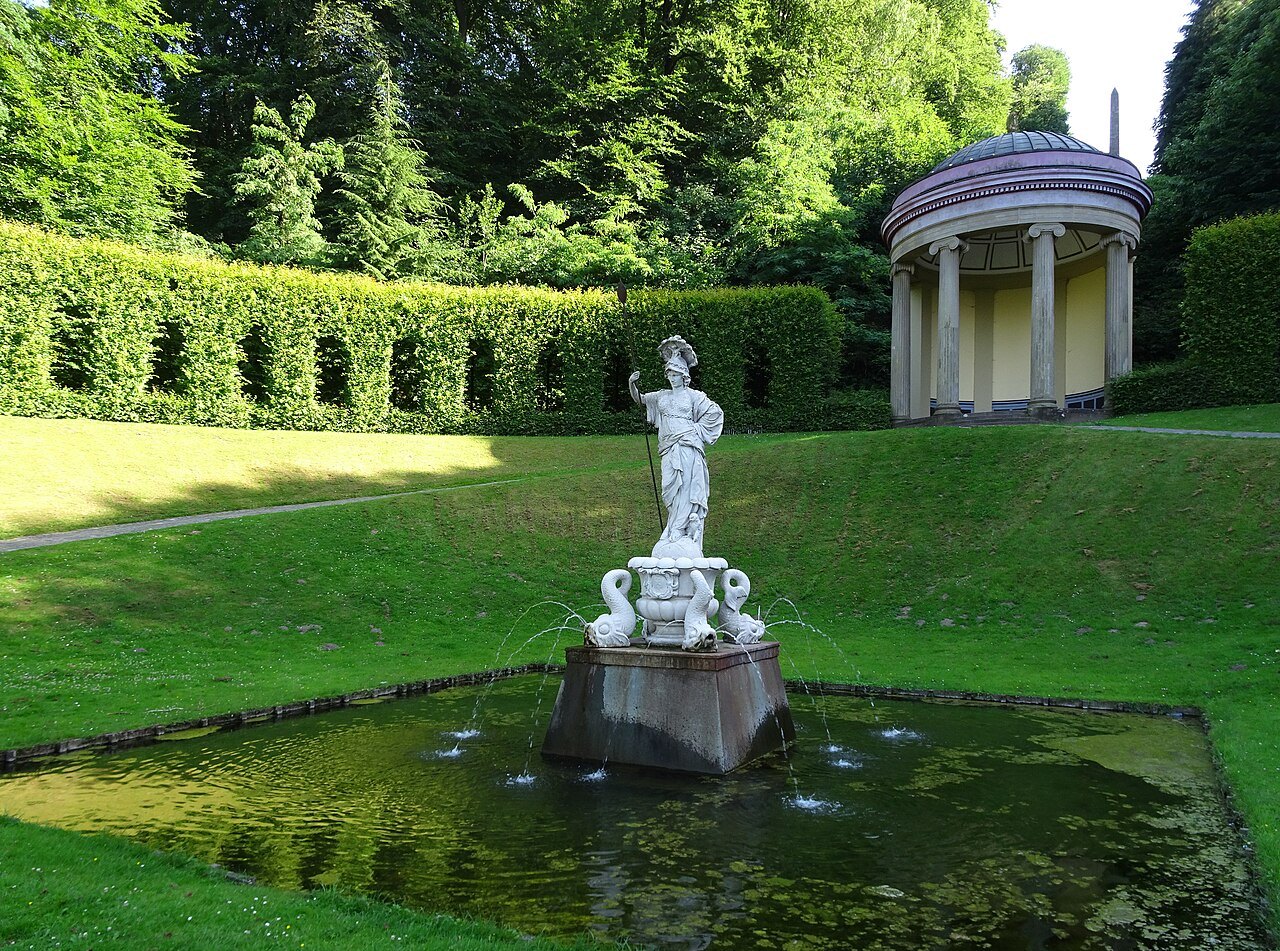
Terraces, water and groups of trees reveal several approaches to garden design within one landscape.
Explore Kleve
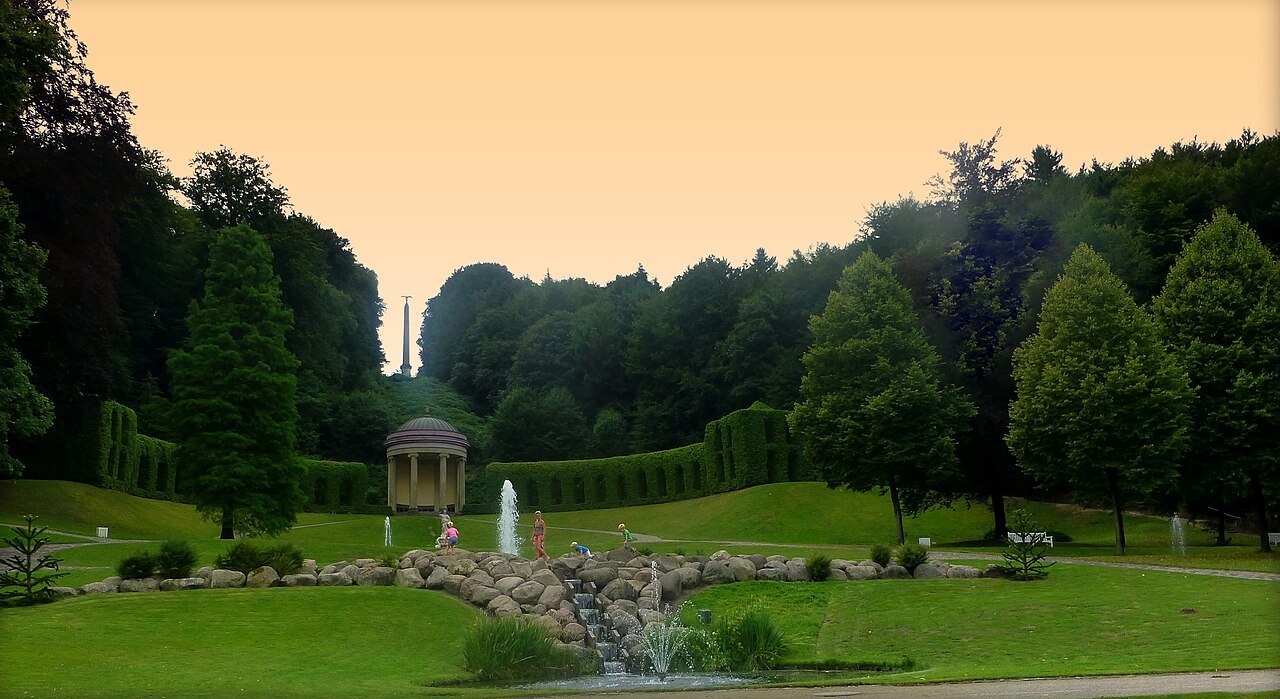
Why terraces of water, a goddess and a long view matter more than searching for Roman ruins.
Explore Kleve
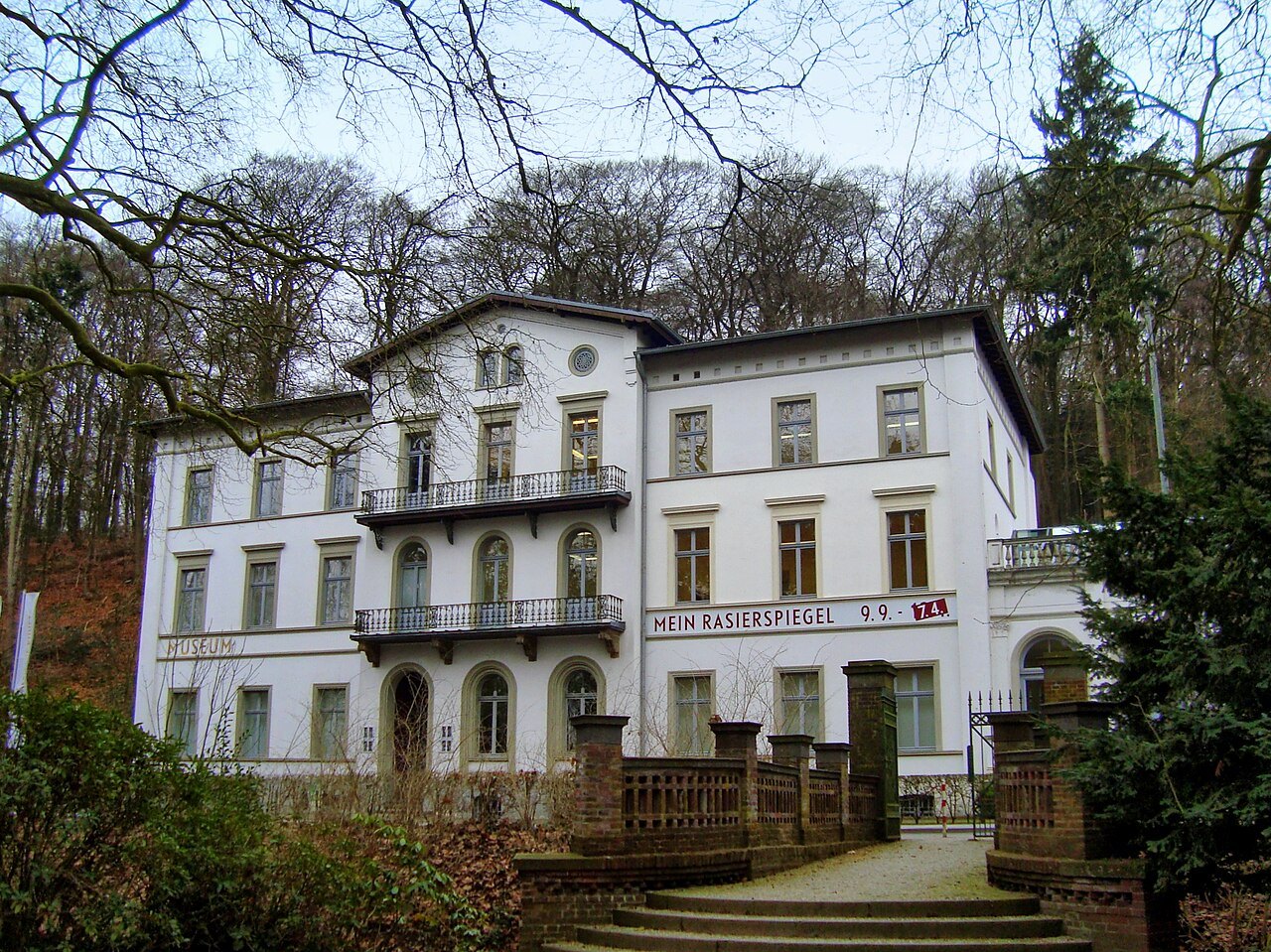
A former spa building gives artworks a distinctive setting. Here is how to make a focused visit.
Explore Kleve
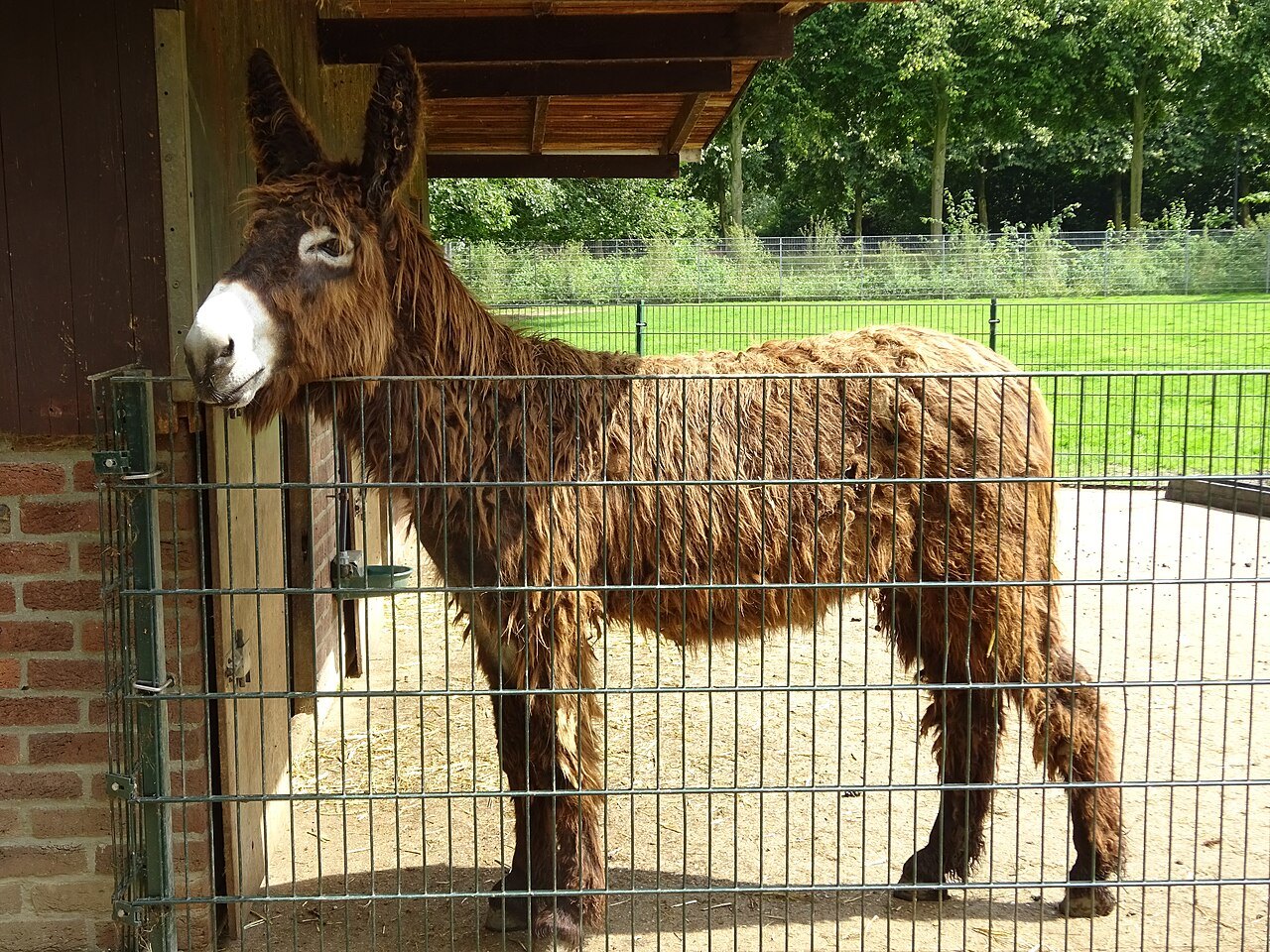
Watching, learning and taking breaks without expecting every animal to appear.
Explore Kleve
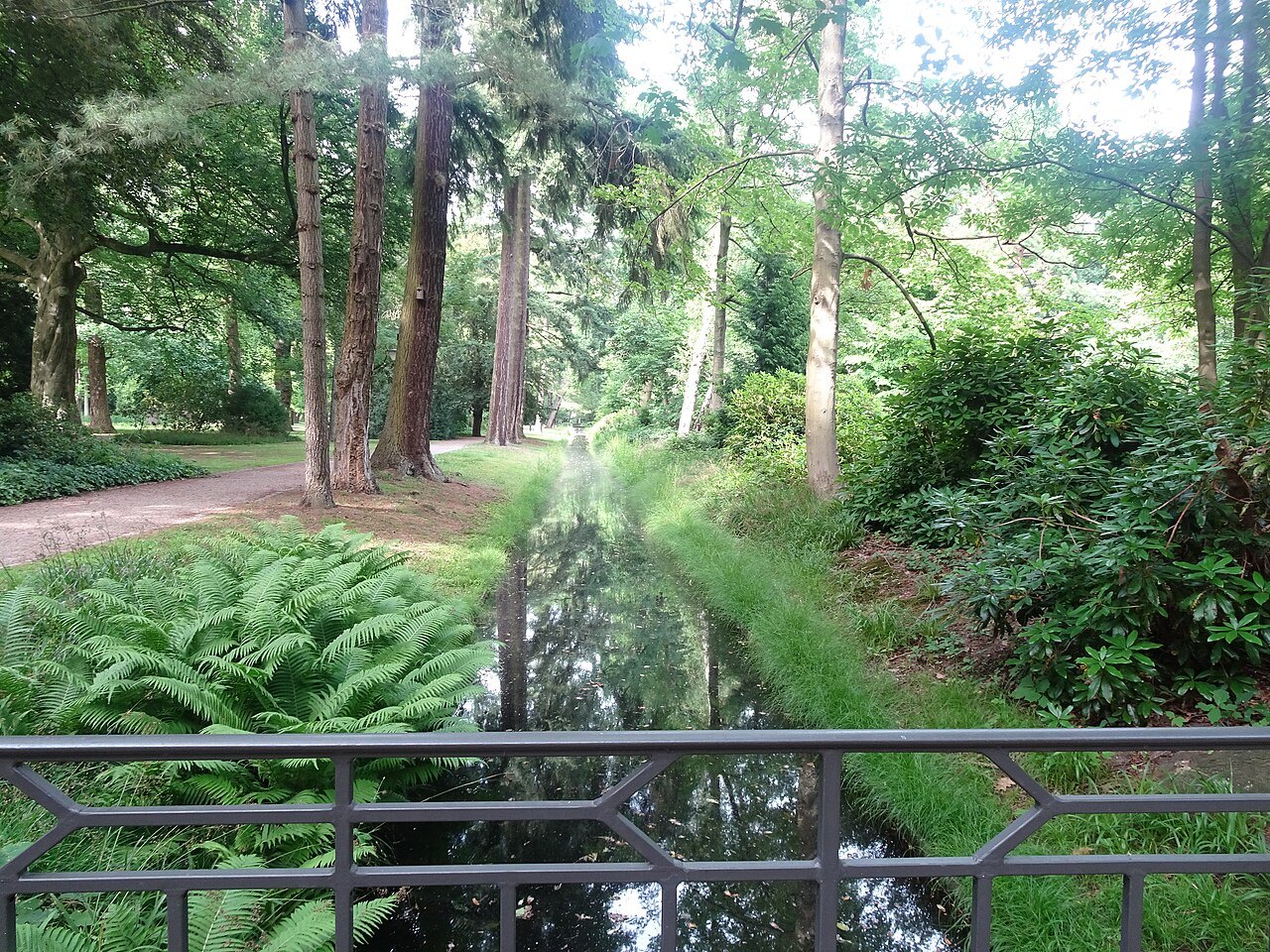
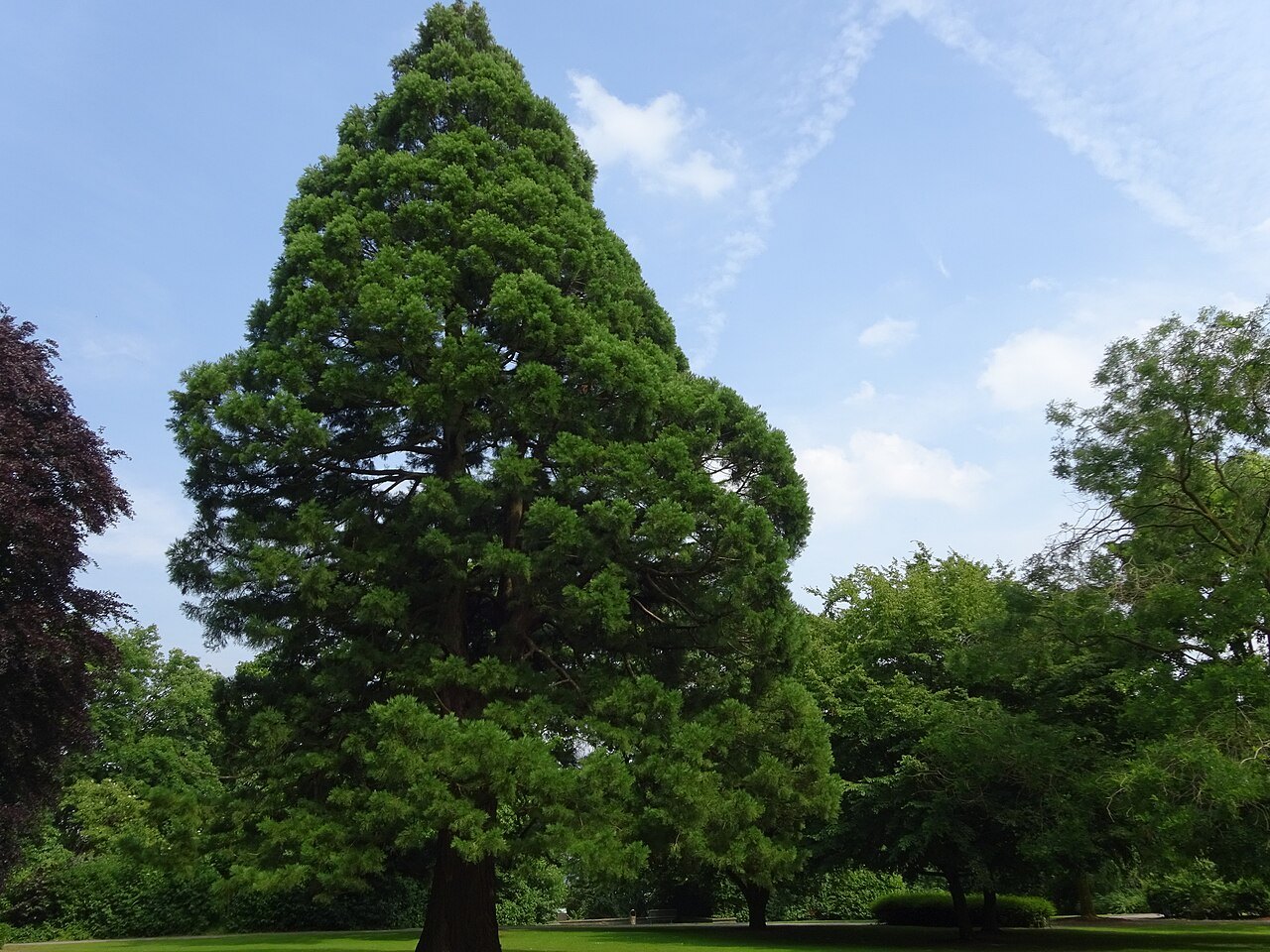
Comparing trees takes you from an individual leaf to the design of a whole park.
Explore Kleve
A present-day town park recalls the Prinzenhof without preserving its historic form in full.
Explore Kleve
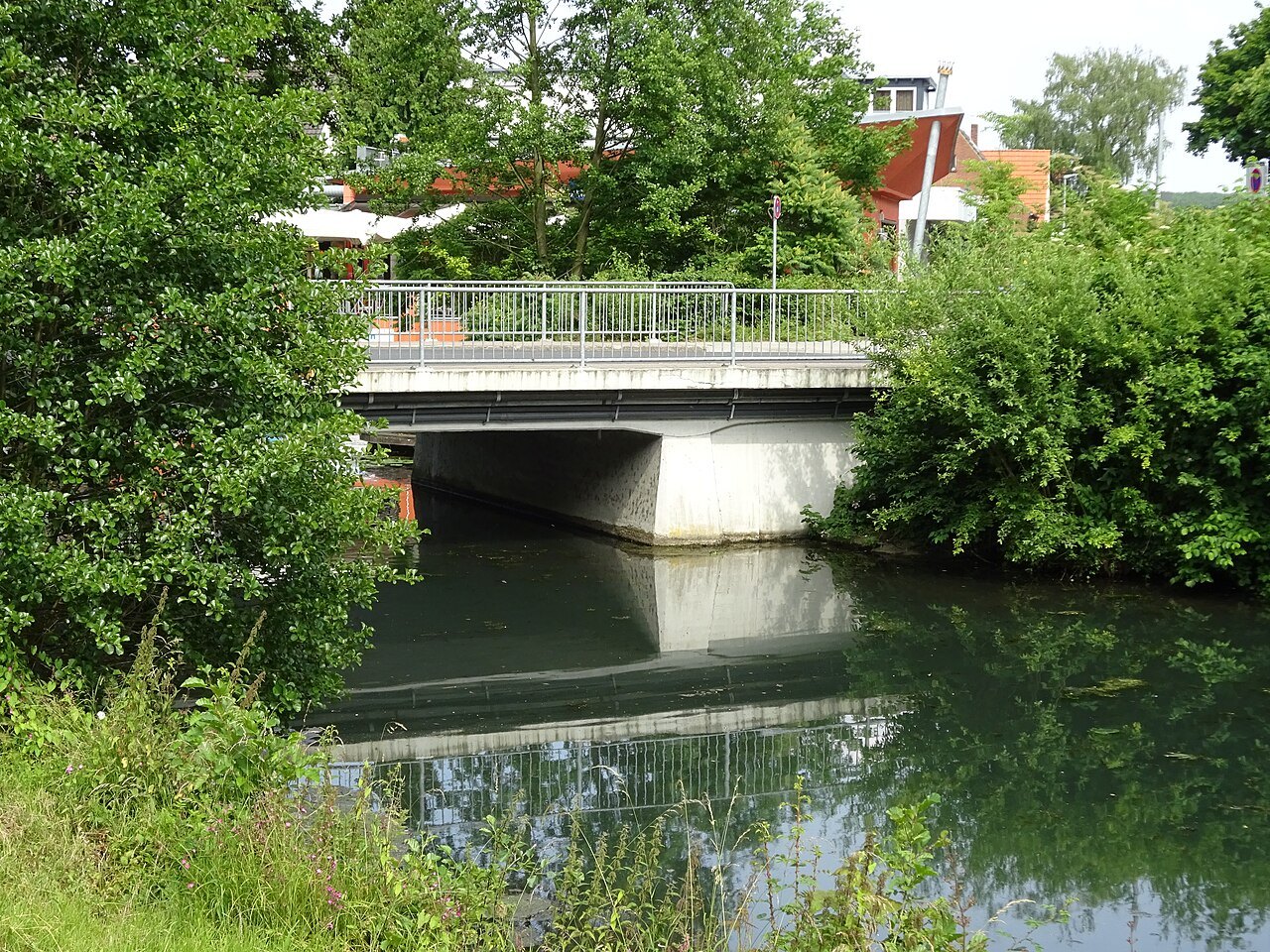
From the Kermisdahl towards the Moritz tomb: a historic connection with a deliberate return plan.
Explore Kleve
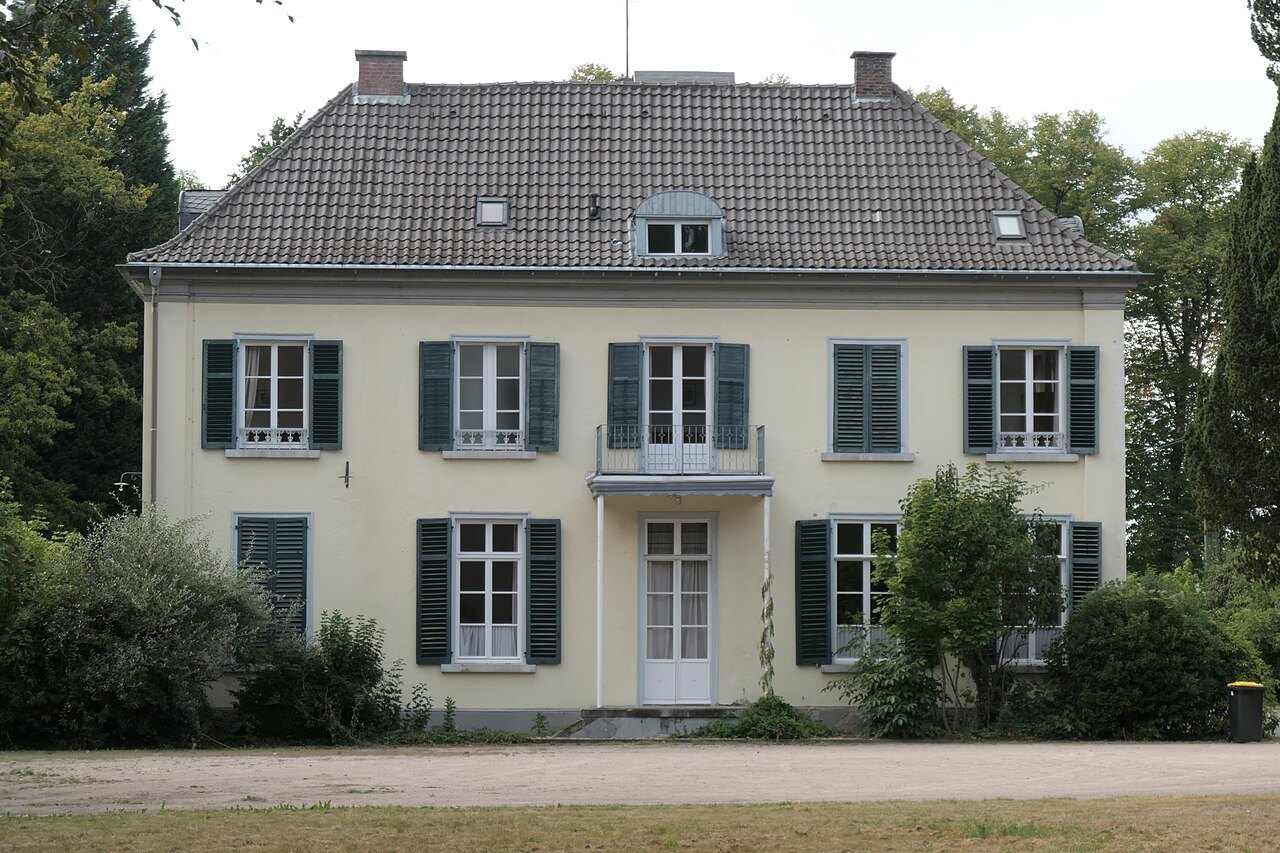
Understanding a castle in its landscape without assuming access to the interior.
Explore Kleve
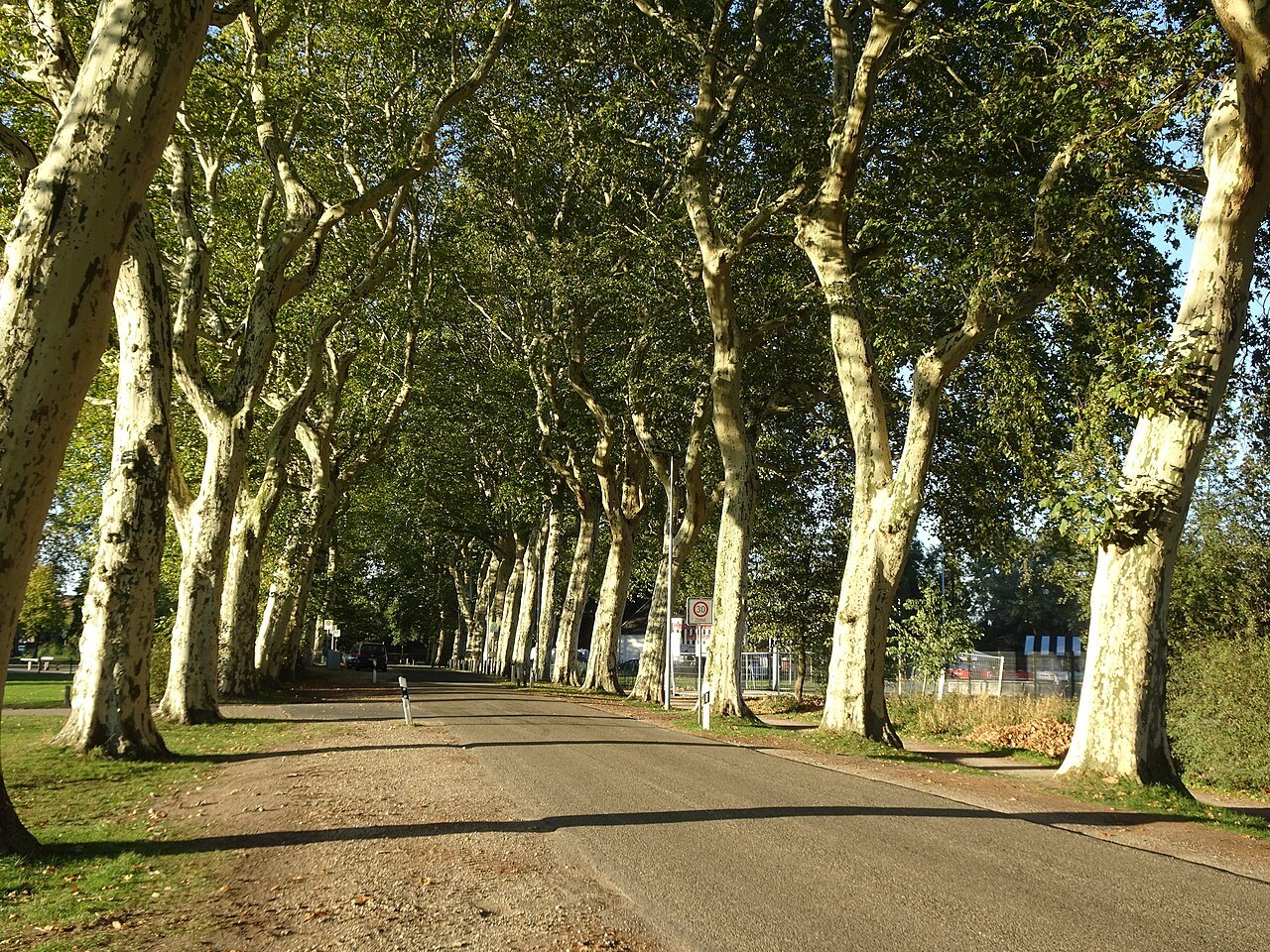
Explore Rindern between its lived-in village and the lowland setting of the Wasserburg.
Explore Kleve
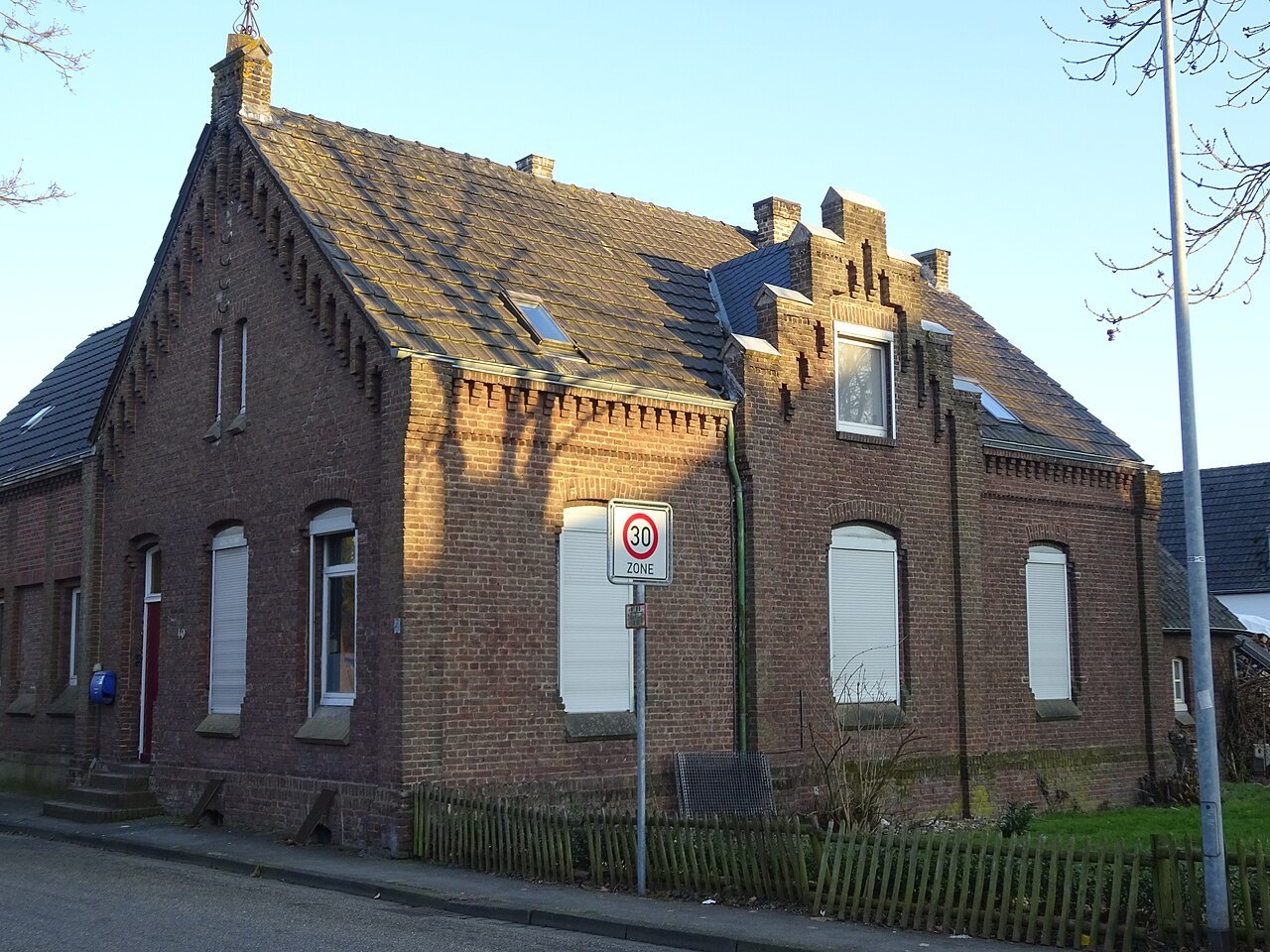
The old church area, newer centre and main road reveal different layers in the development of Kellen.
Explore Kleve
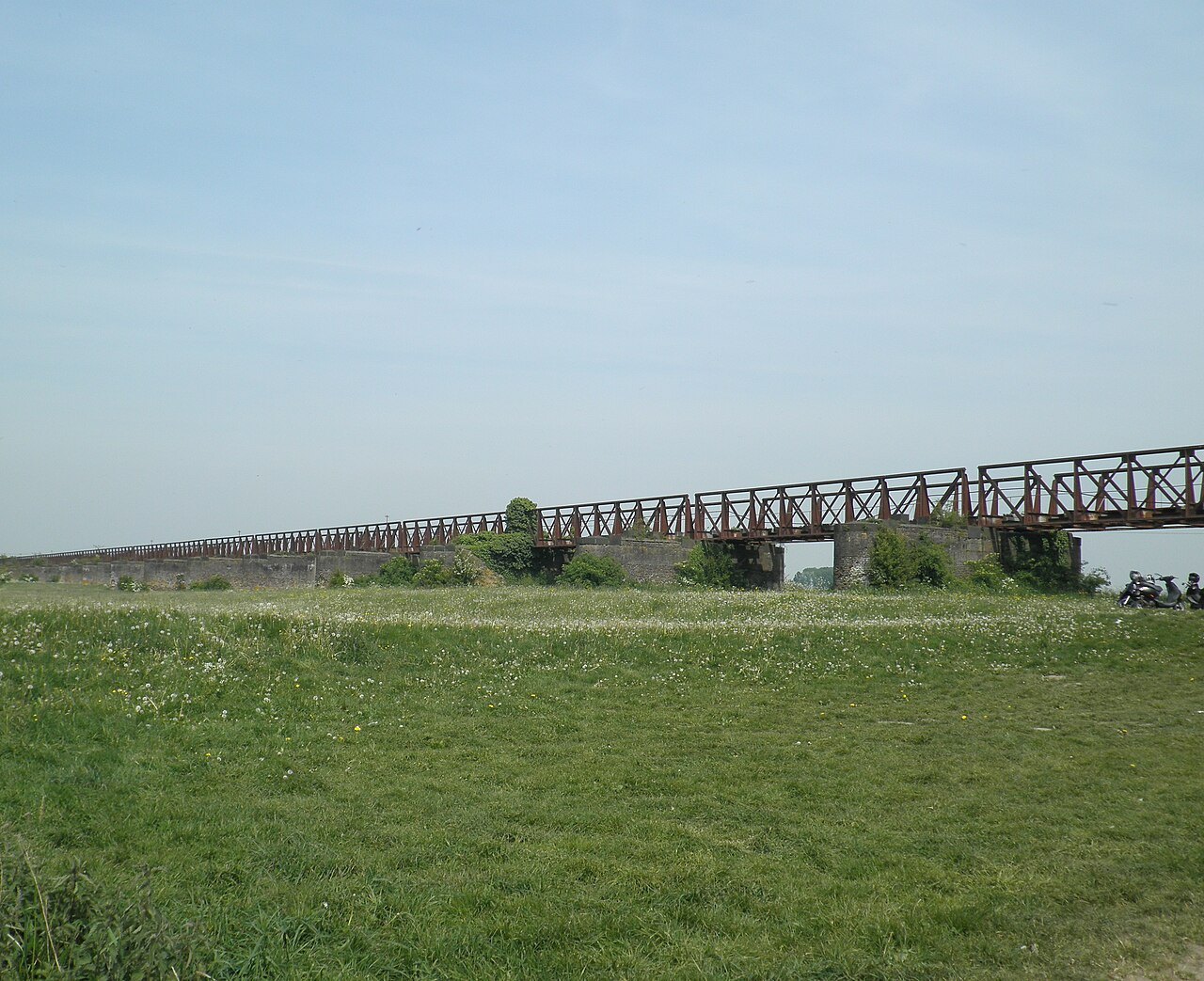
Read an industrial monument through its structure and setting from an appropriate position on the bank.
Explore Kleve
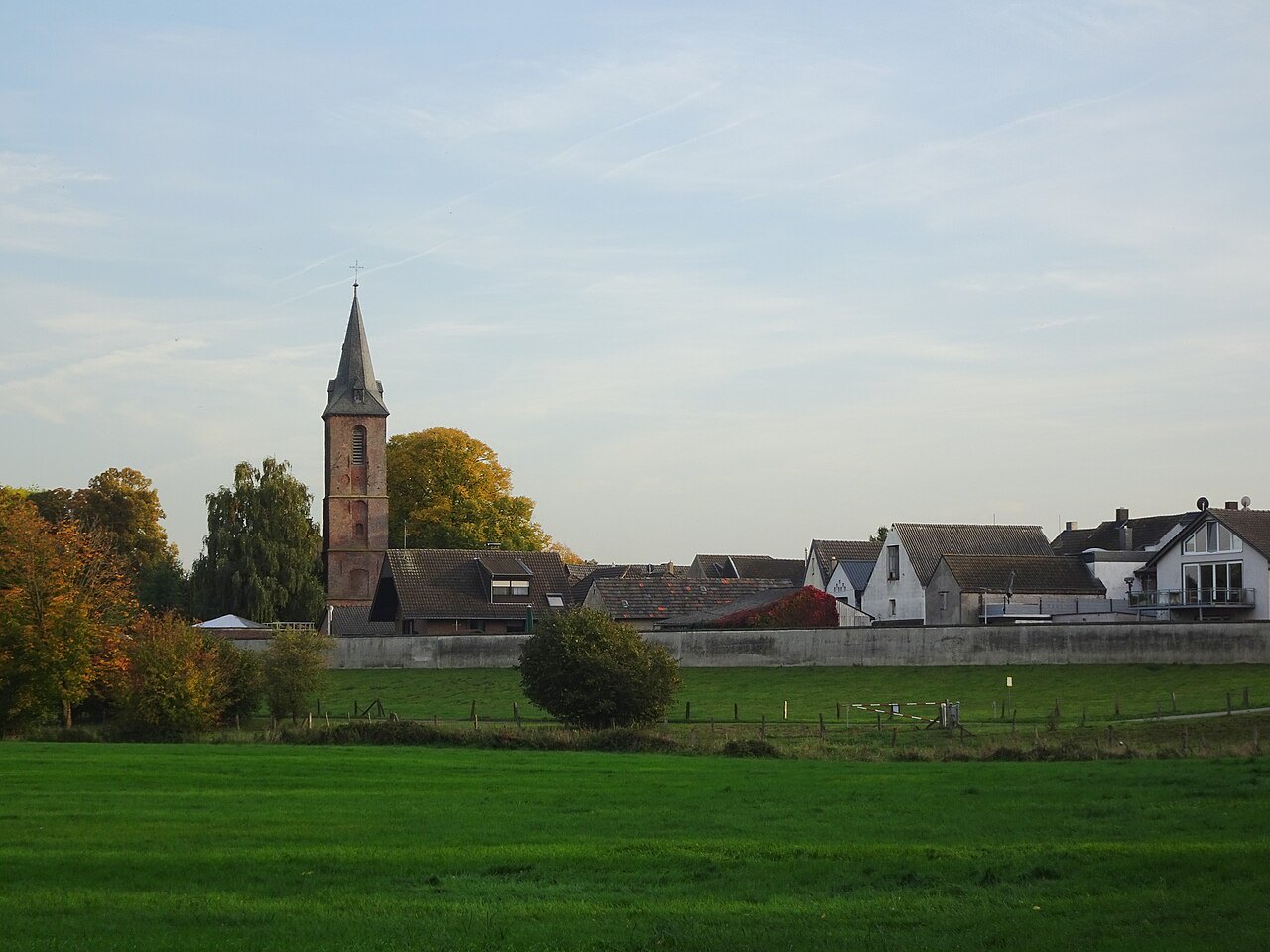
Fortress history and flood protection help explain the compact form of the village.
Explore Kleve
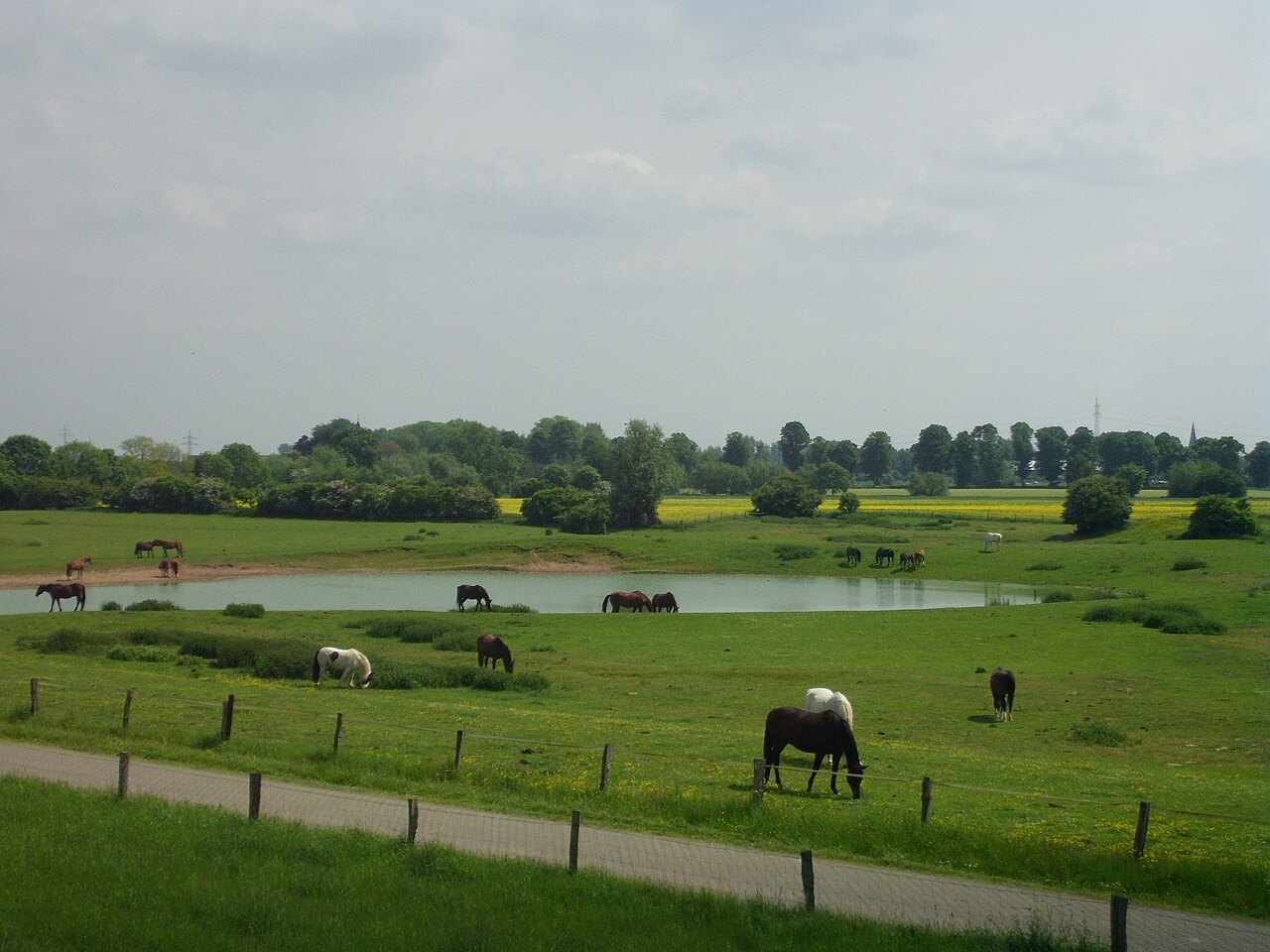
From the village centre towards the old Rhine arm: observe the landscape without requiring a long walk.
Explore Kleve
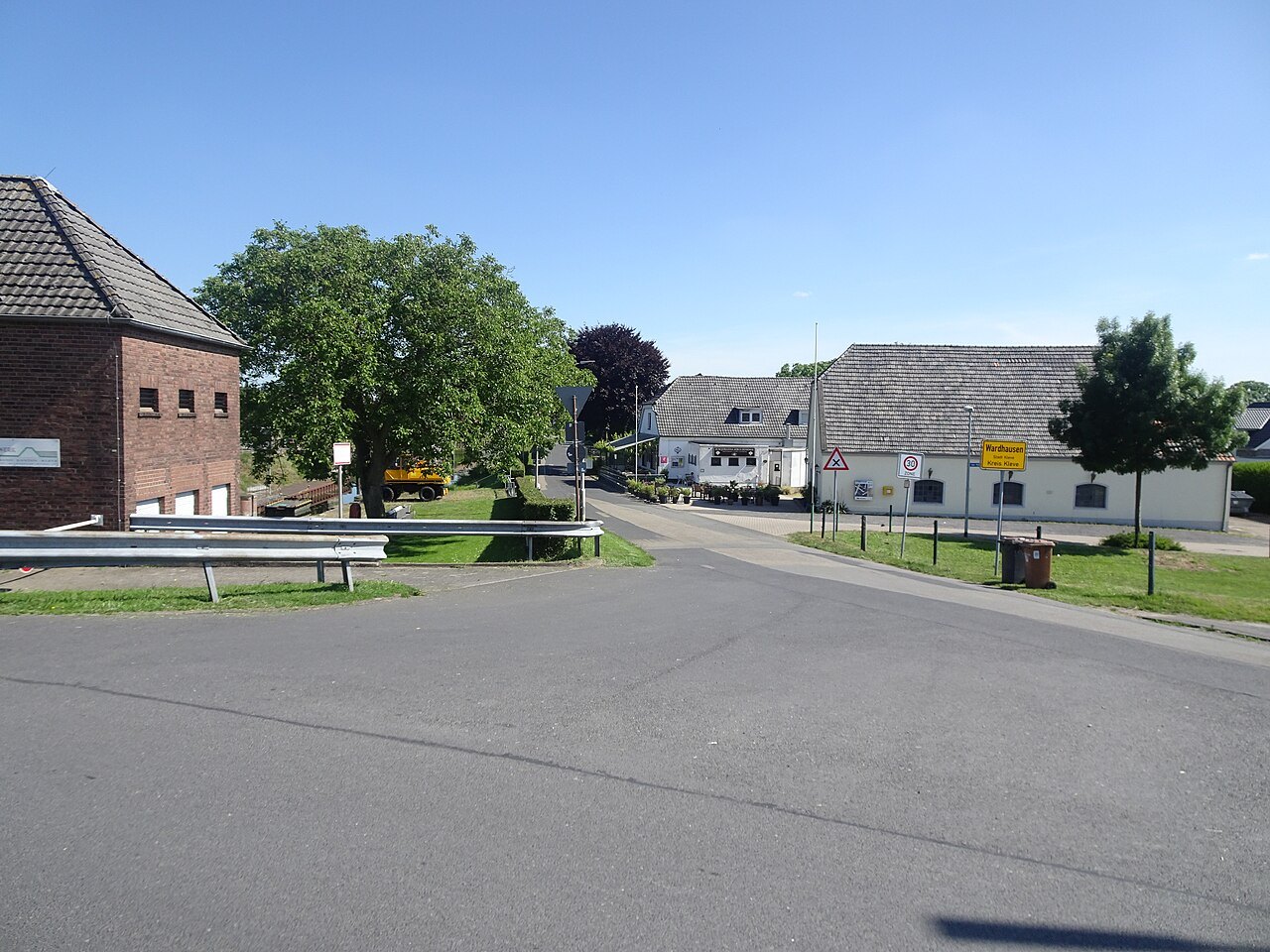
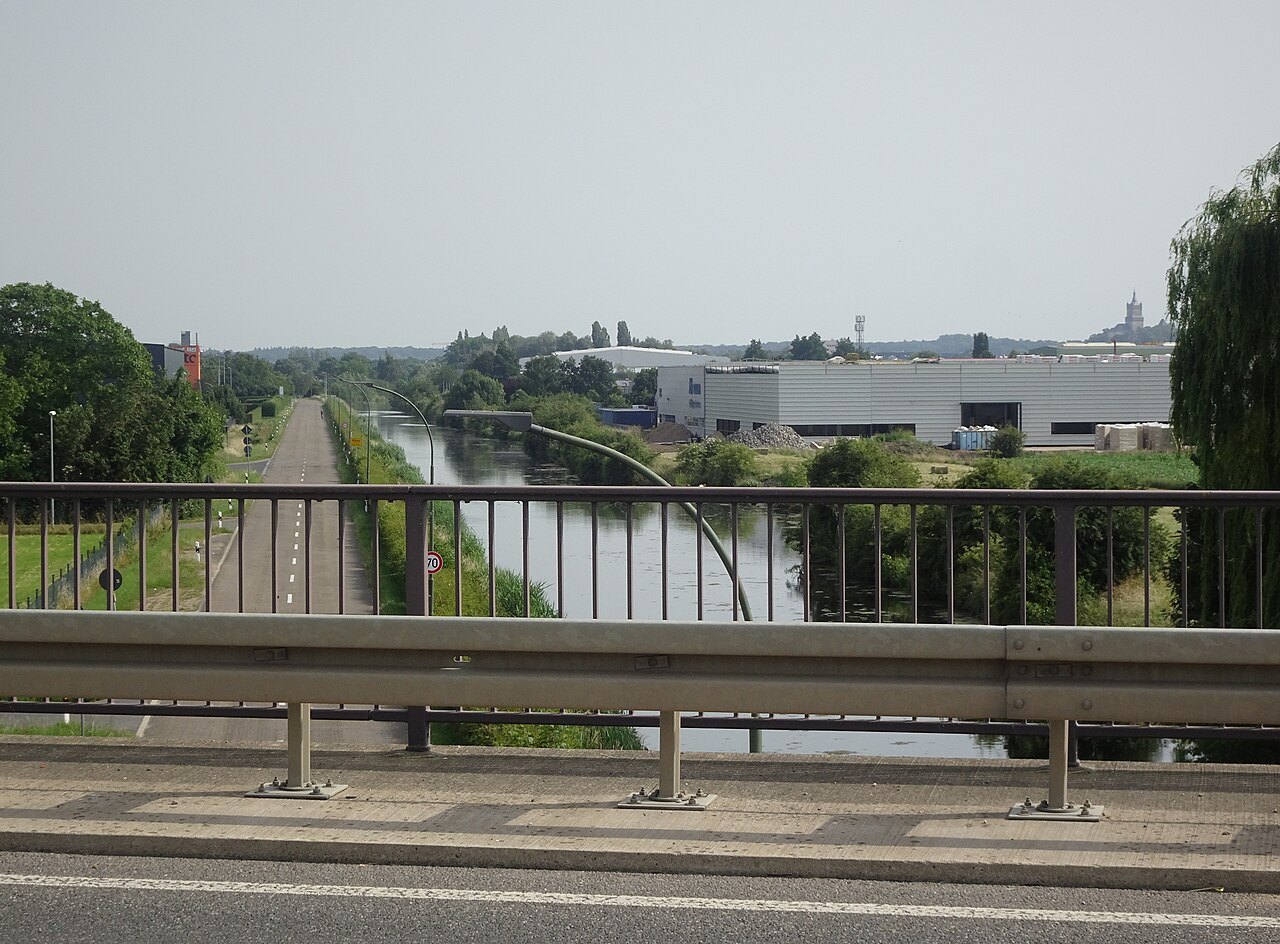
In Wardhausen, canal, dyke and a memorial tell different stories about water.
Explore Kleve
At the Opschlag, see how a transport connection became part of the town experience.
Explore Kleve
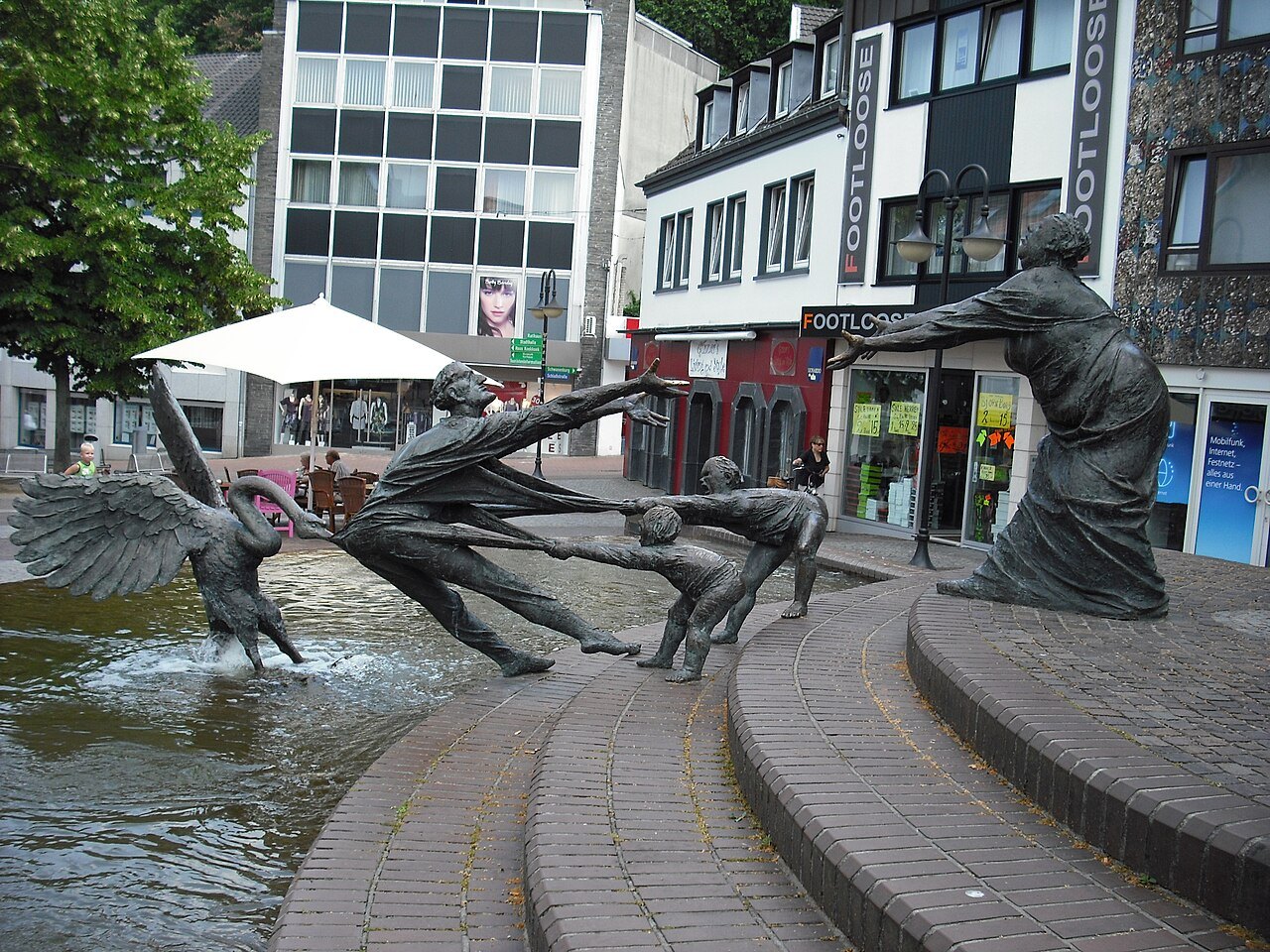
A short stop at the Fischmarkt connects sculpture, storytelling and a town symbol.
Explore Kleve
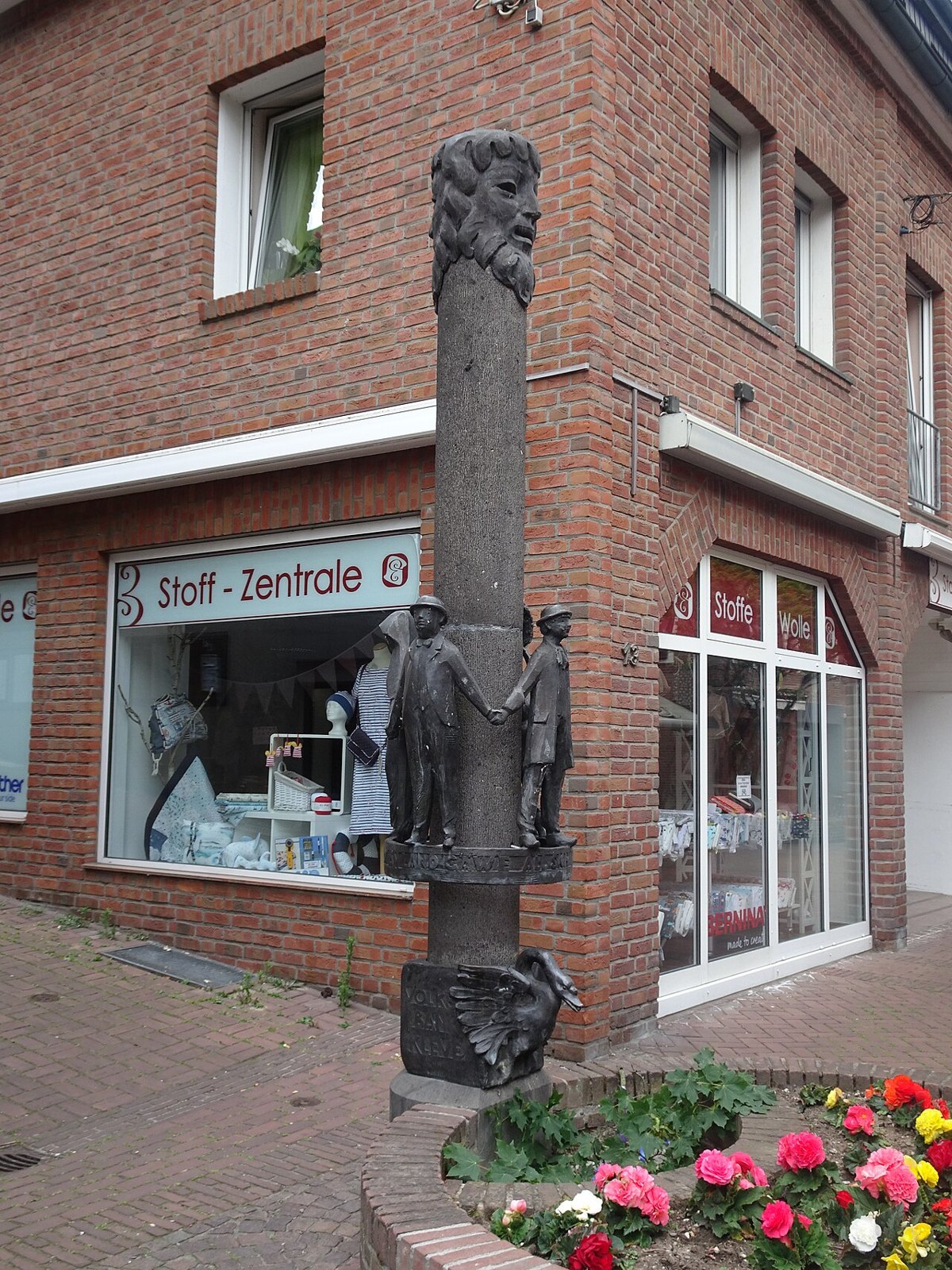
At Janusbrunnen, public art meets a useful feature of the street.
Explore Kleve
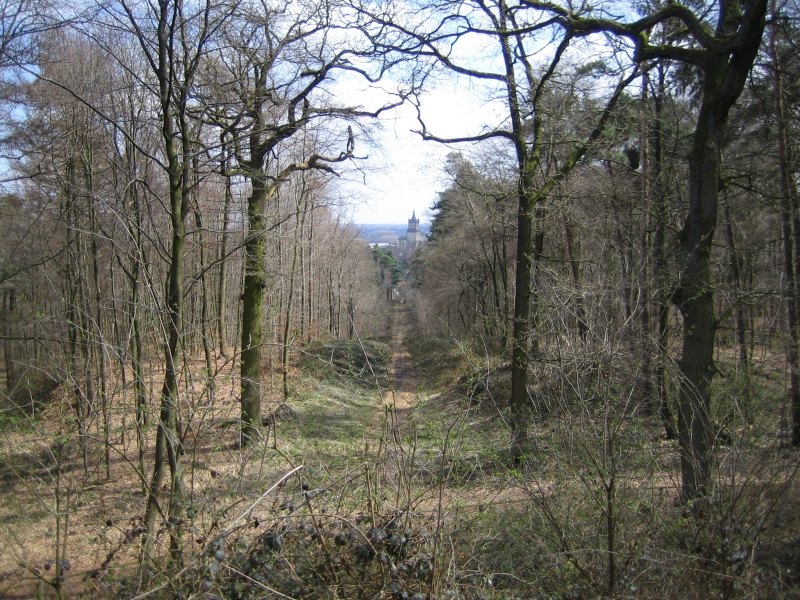
Sternberg explains a garden system through directions rather than a contest over elevation.
Explore Kleve
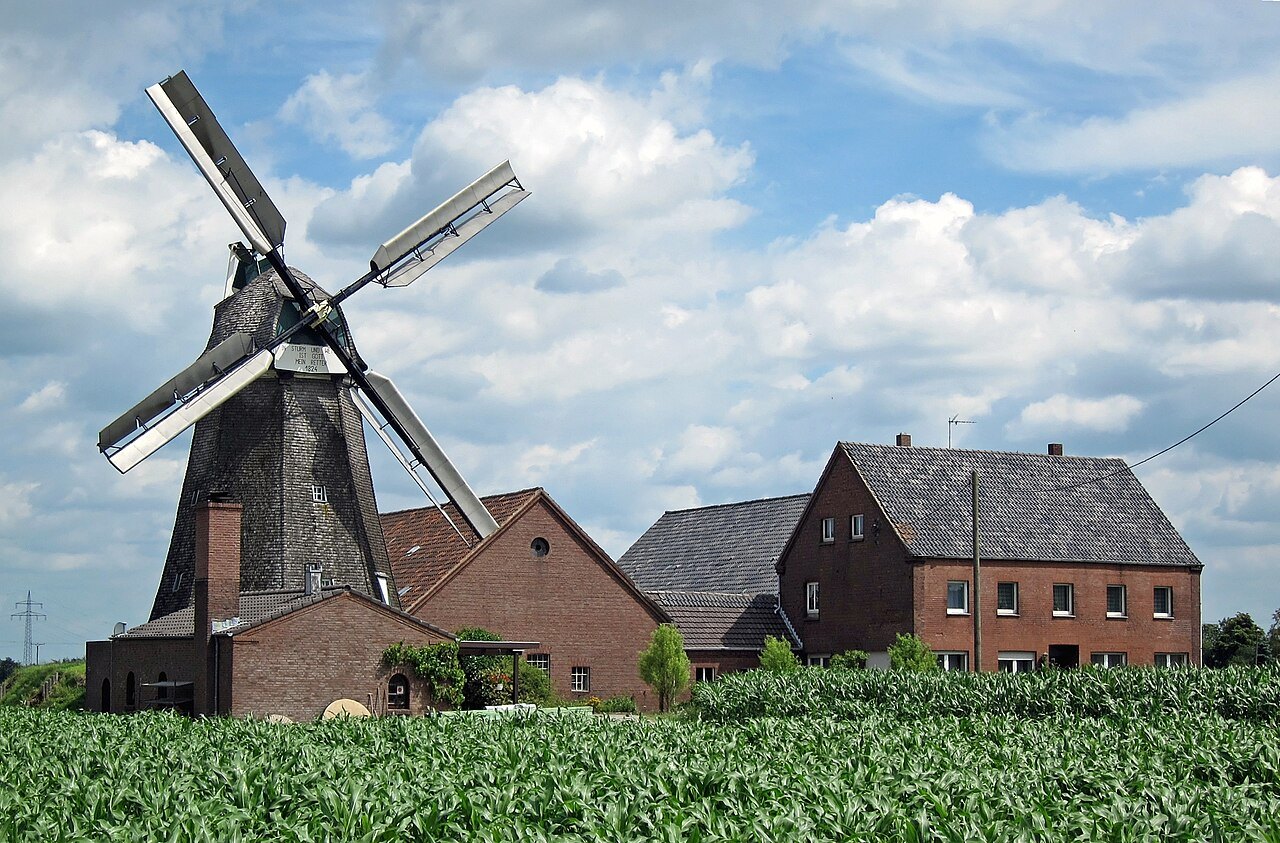
Sails, rotating cap and milling machinery form one connected system.
Explore Kleve
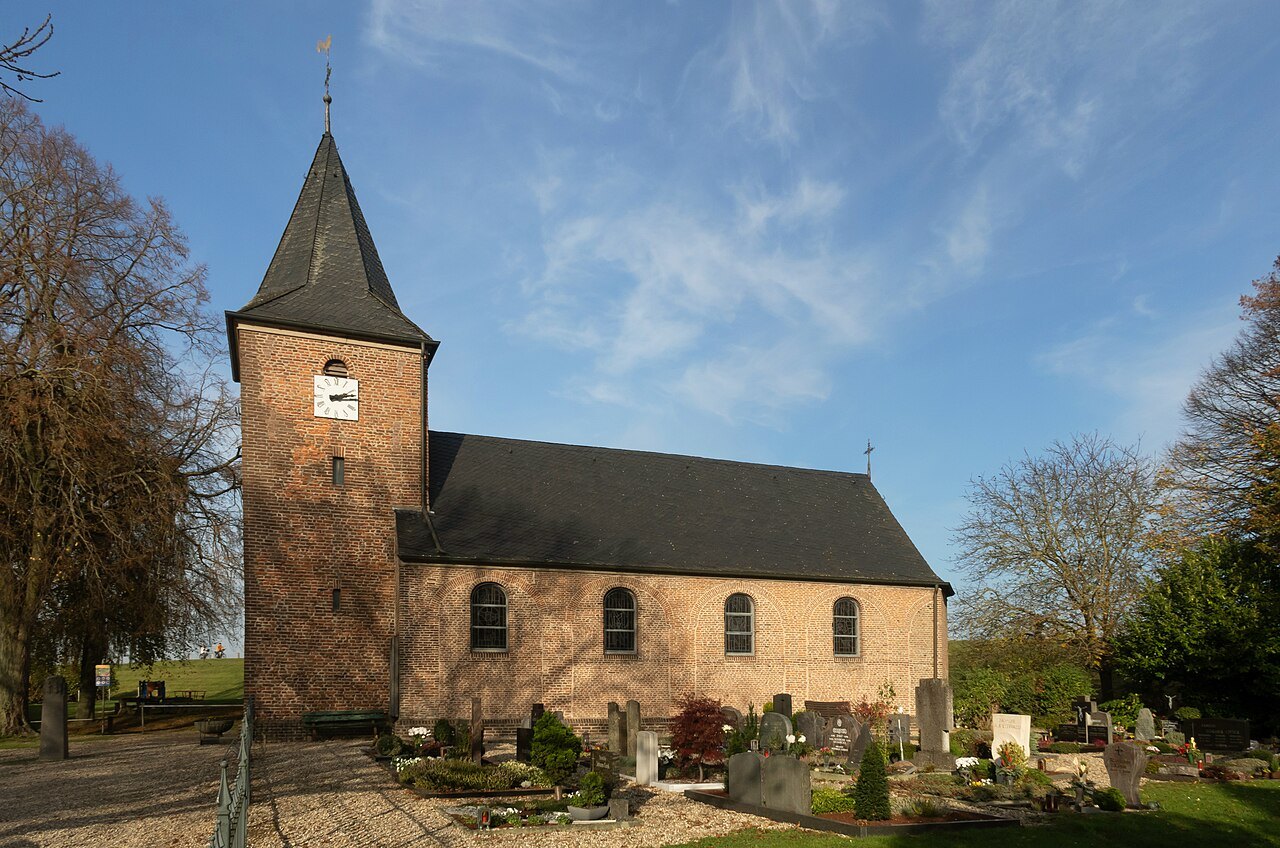
Village church, dyke and international water monitoring give this small place several scales.
Nearby places
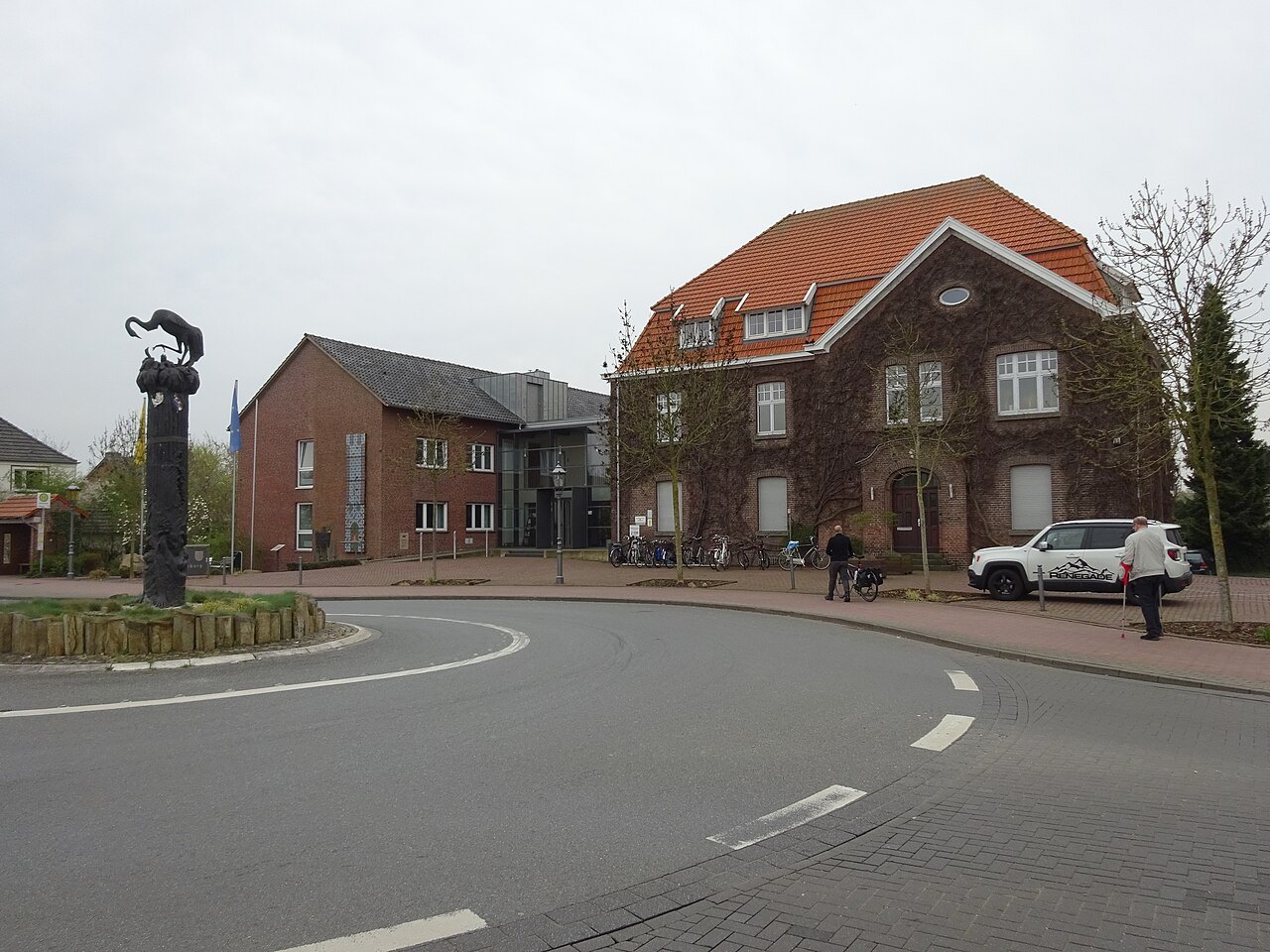
Streets, former defences and the mill tower form a readable town plan.
Nearby places
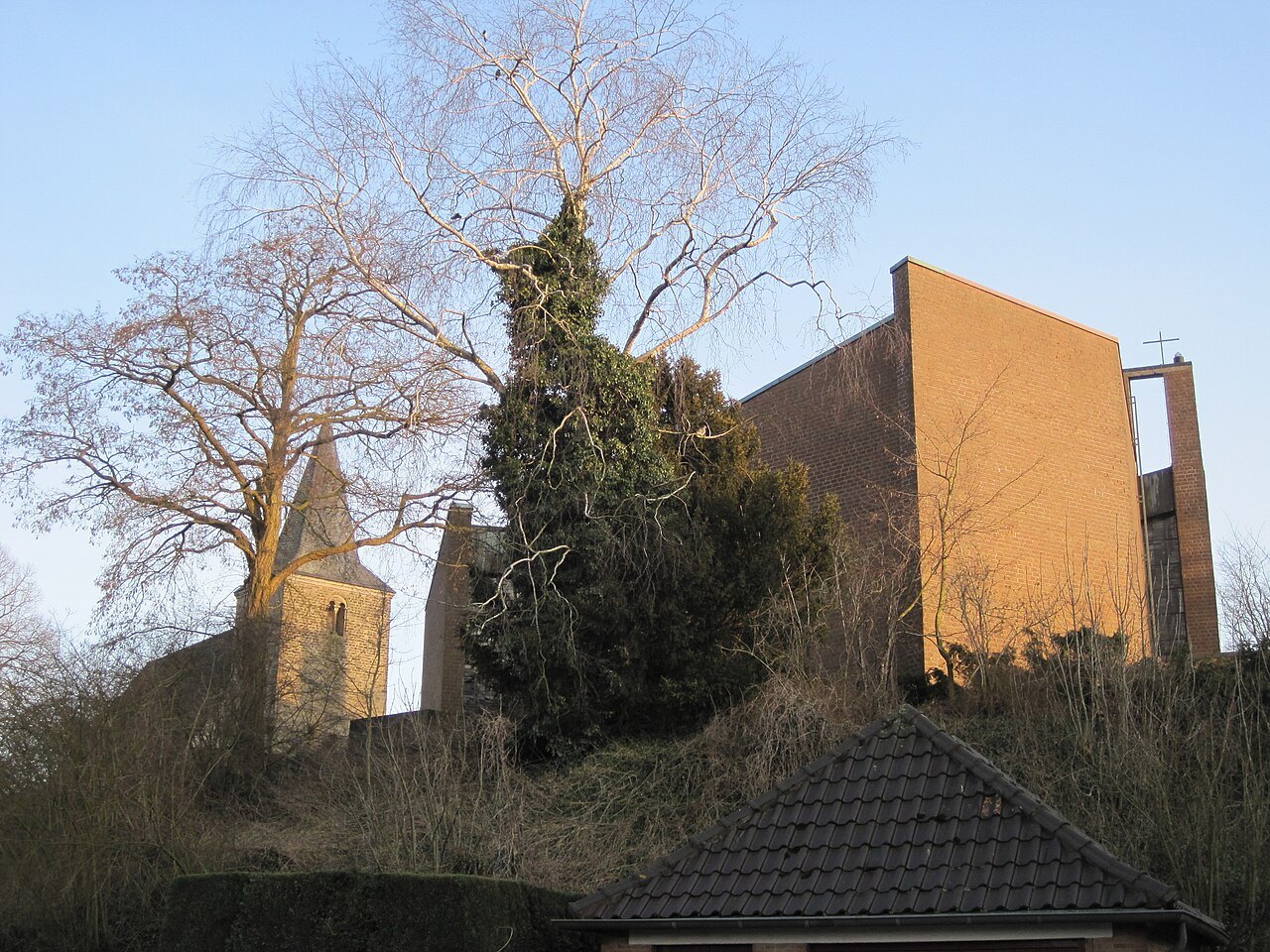
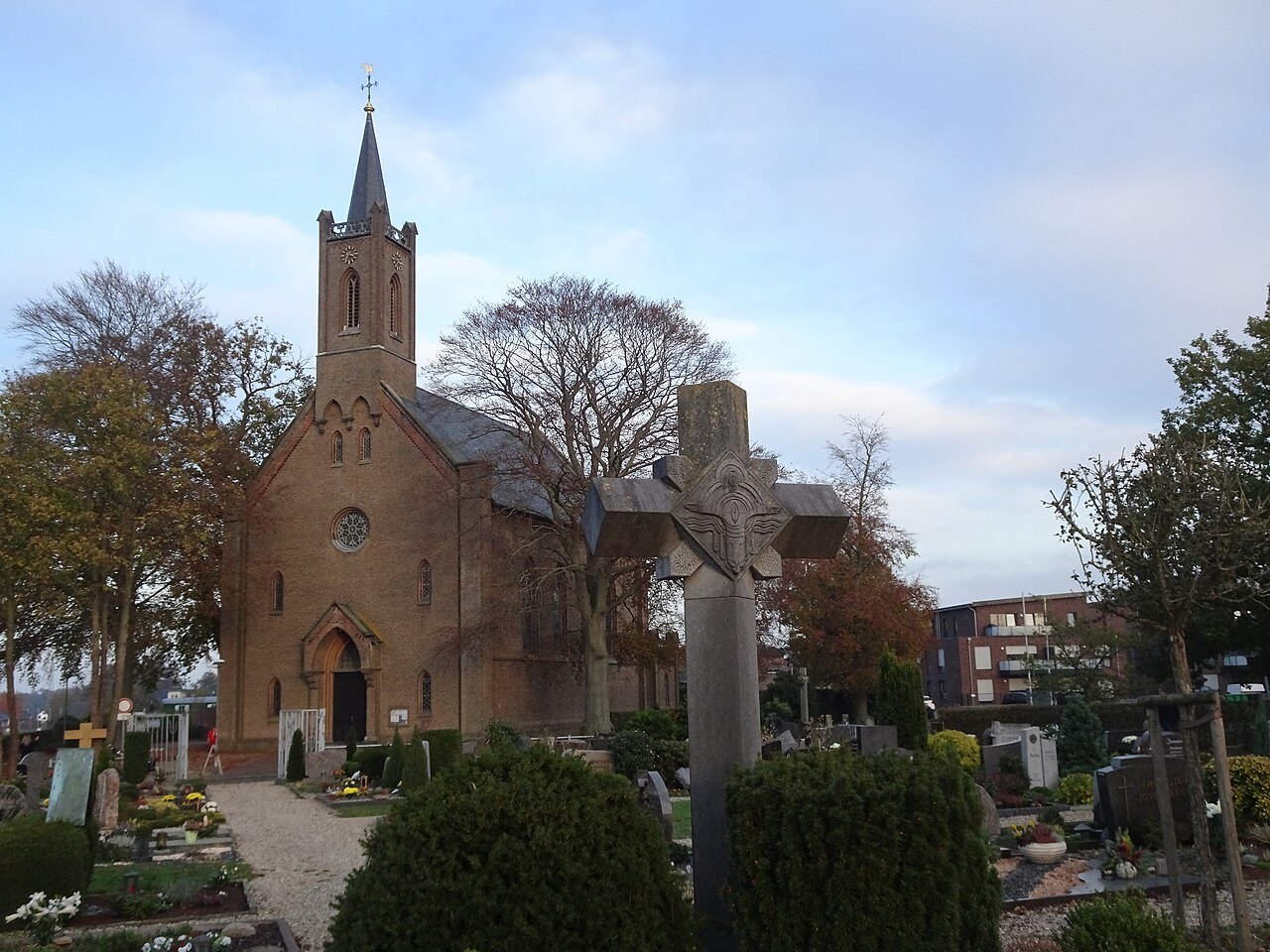
Two churches and a border setting give Wyler several layers of history.
Nearby places
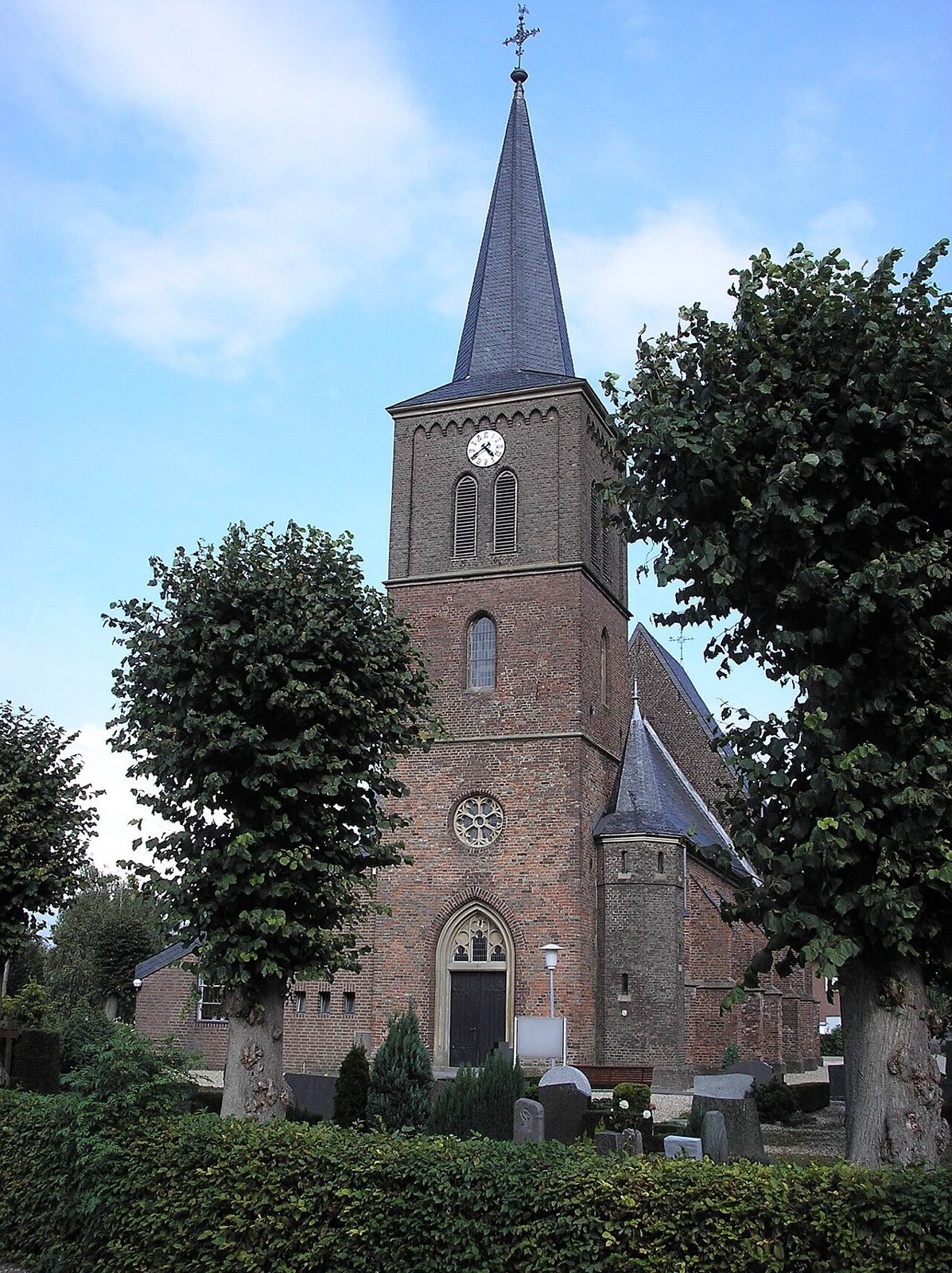
Between housing, farmland and Reichswald, the character of a walk changes.
Nearby places
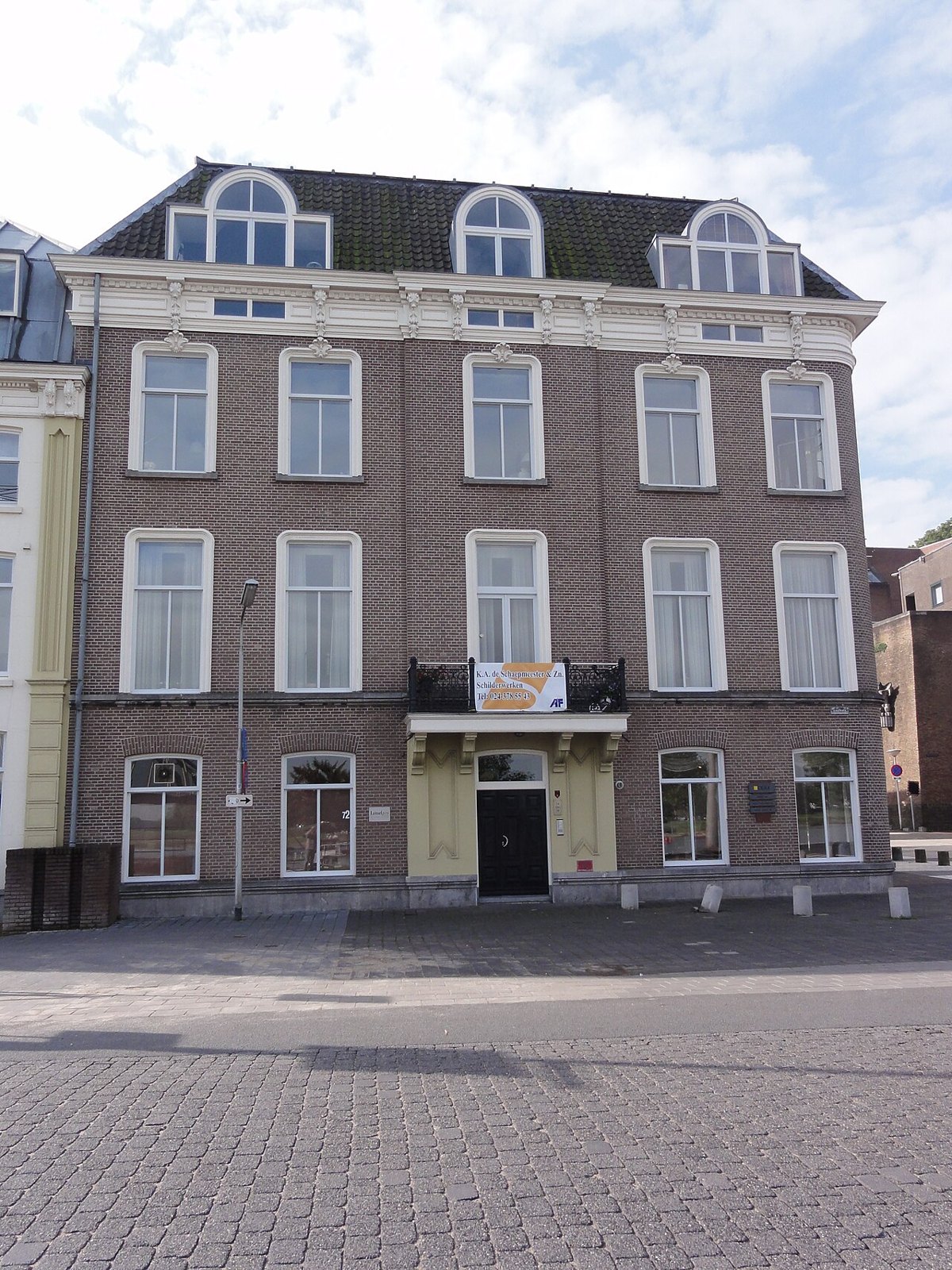
Church, farms and open ground place Mehr within a historically shaped landscape.
Nearby places
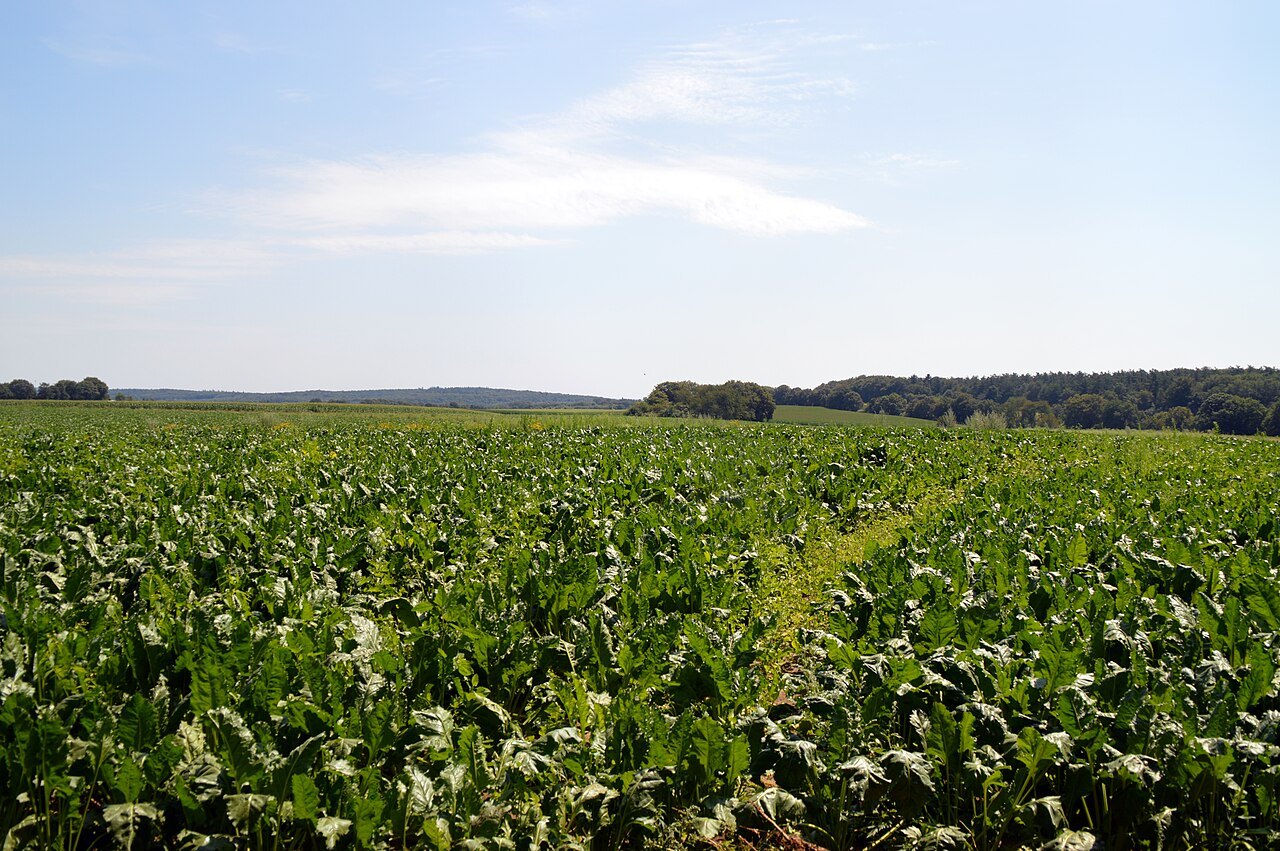
A day trip works better with a clear focus among the upper town, Waalkade and cultural visits.
Nearby places
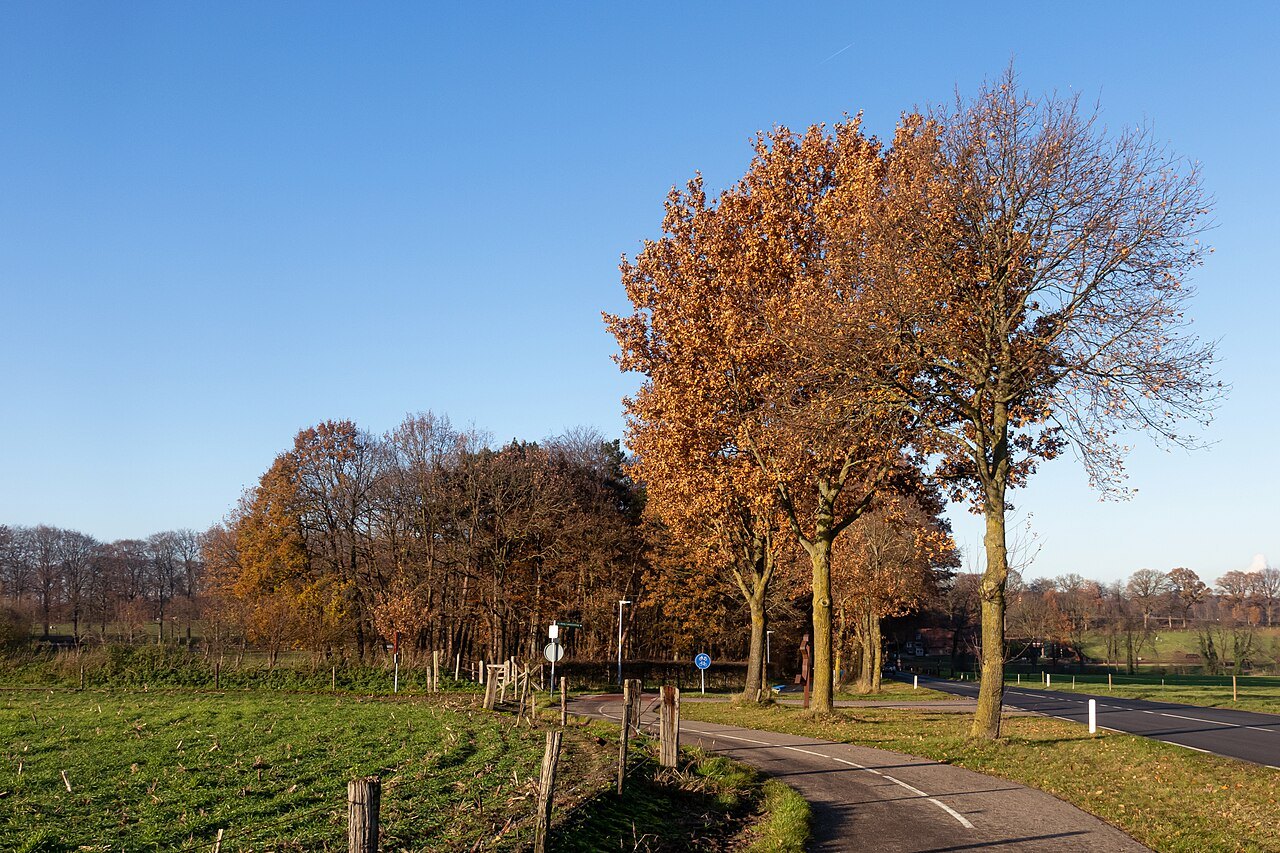
Around Groesbeek, changes of elevation shape both routes and the history of the landscape.
Nearby places
Elevation, woodland paths and traces of Roman engineering help you choose a walk.
Nearby places
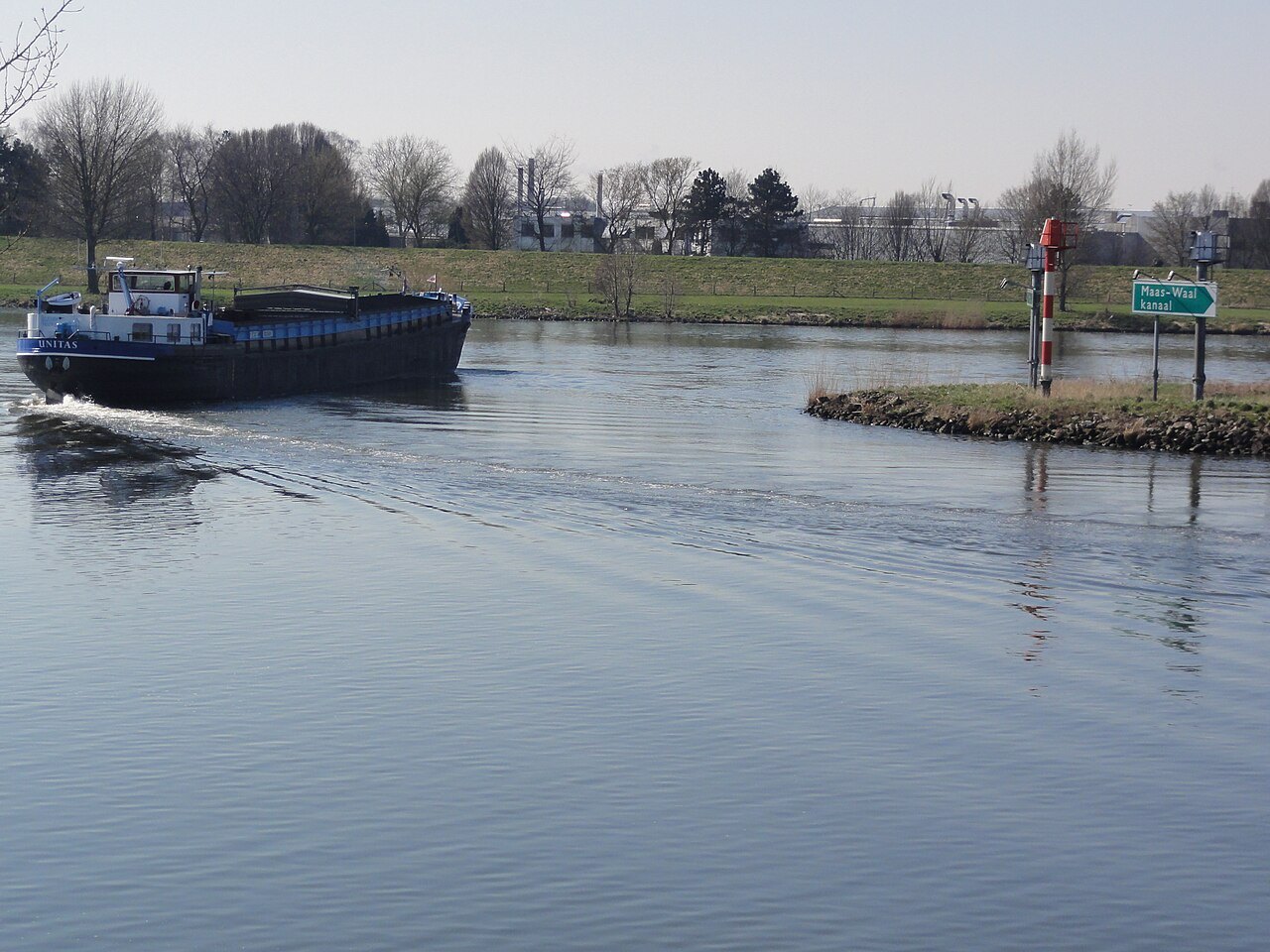
The Meuse, village square and story of Kiste Trui give a short walk a connected theme.
Nearby places
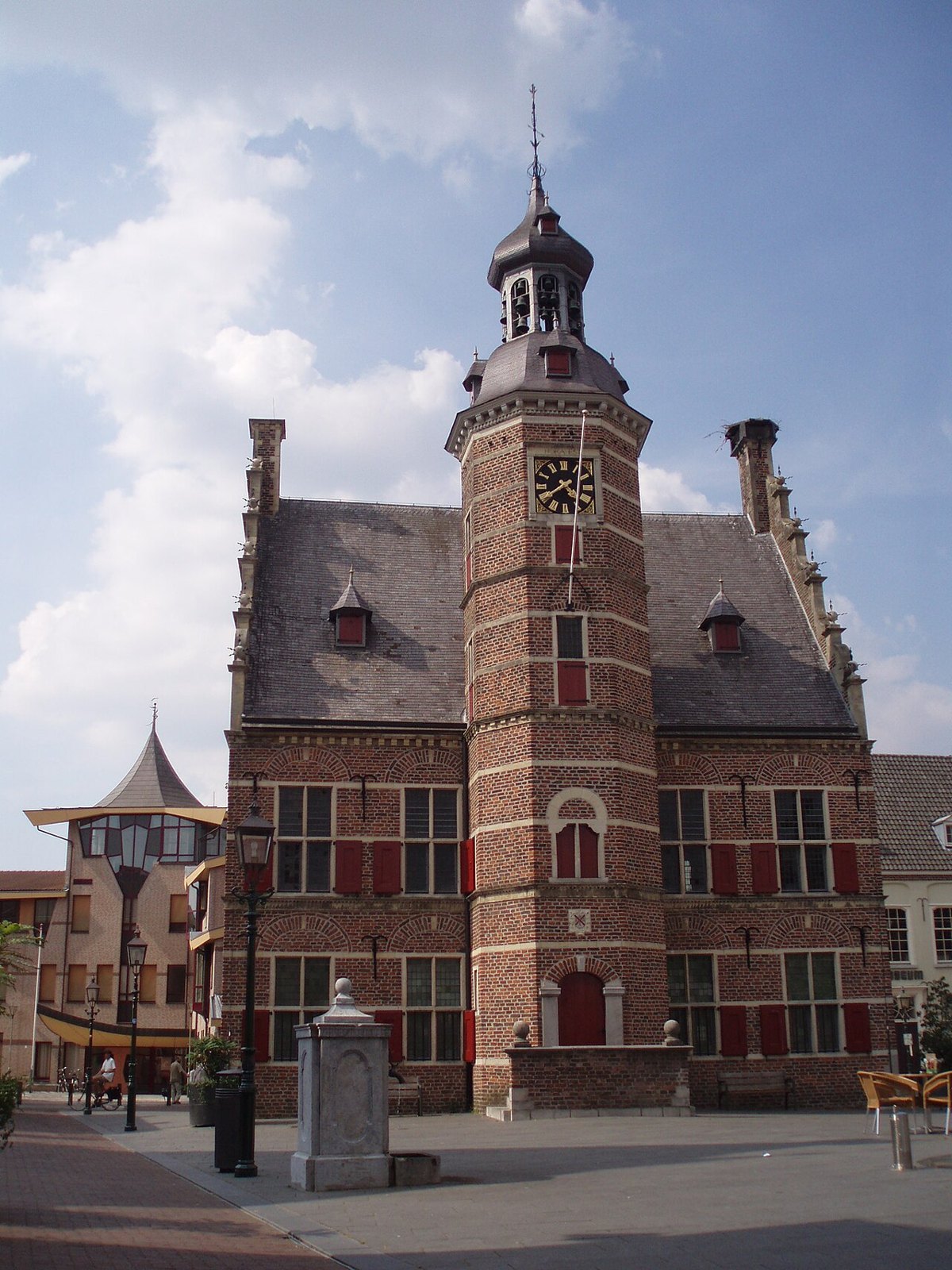
The market, mosaic square and Niers reveal three different kinds of urban space.
Nearby places
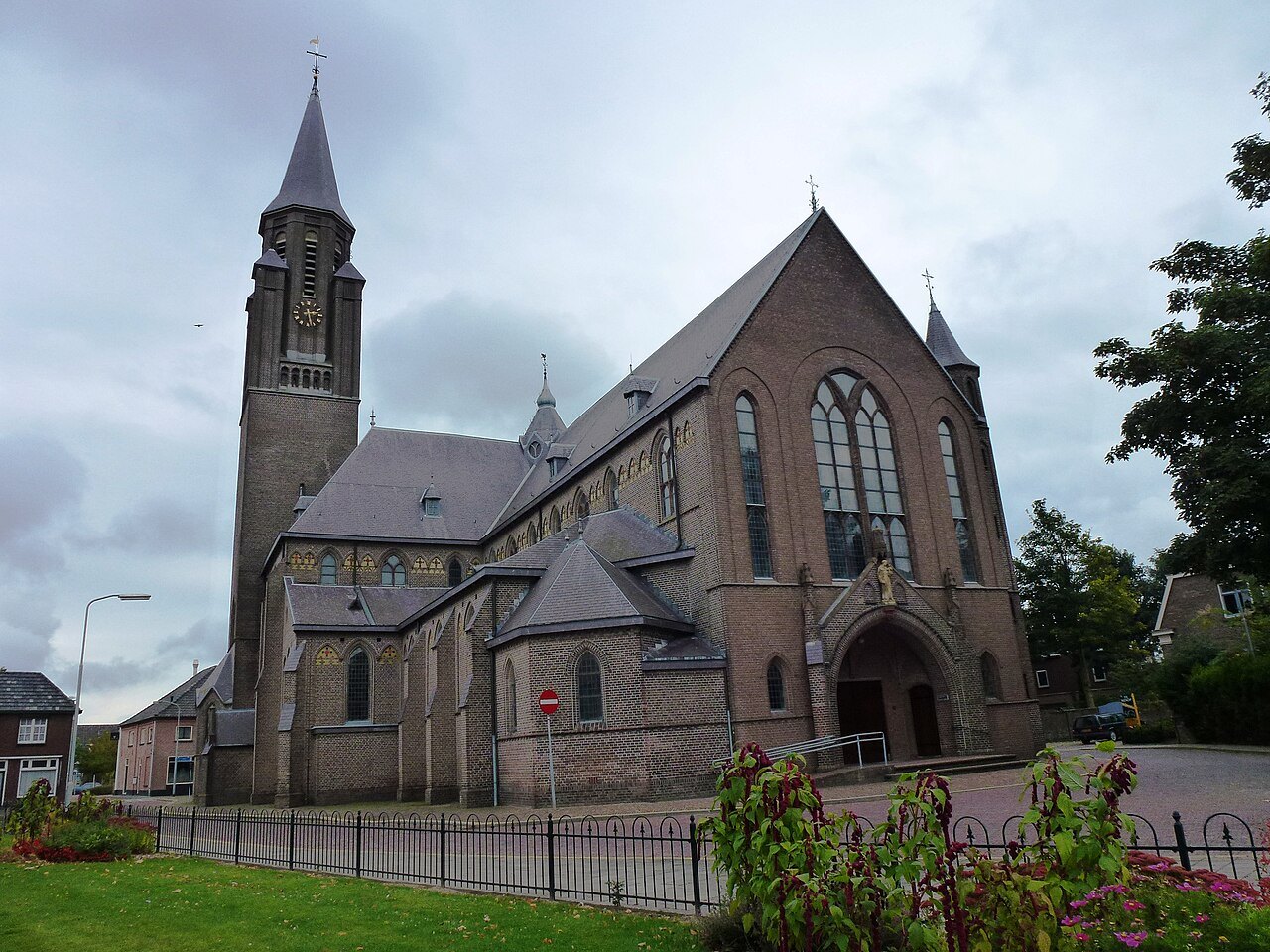
A village visit beside the Rhine calls for a different plan from a Millingerwaard nature walk.
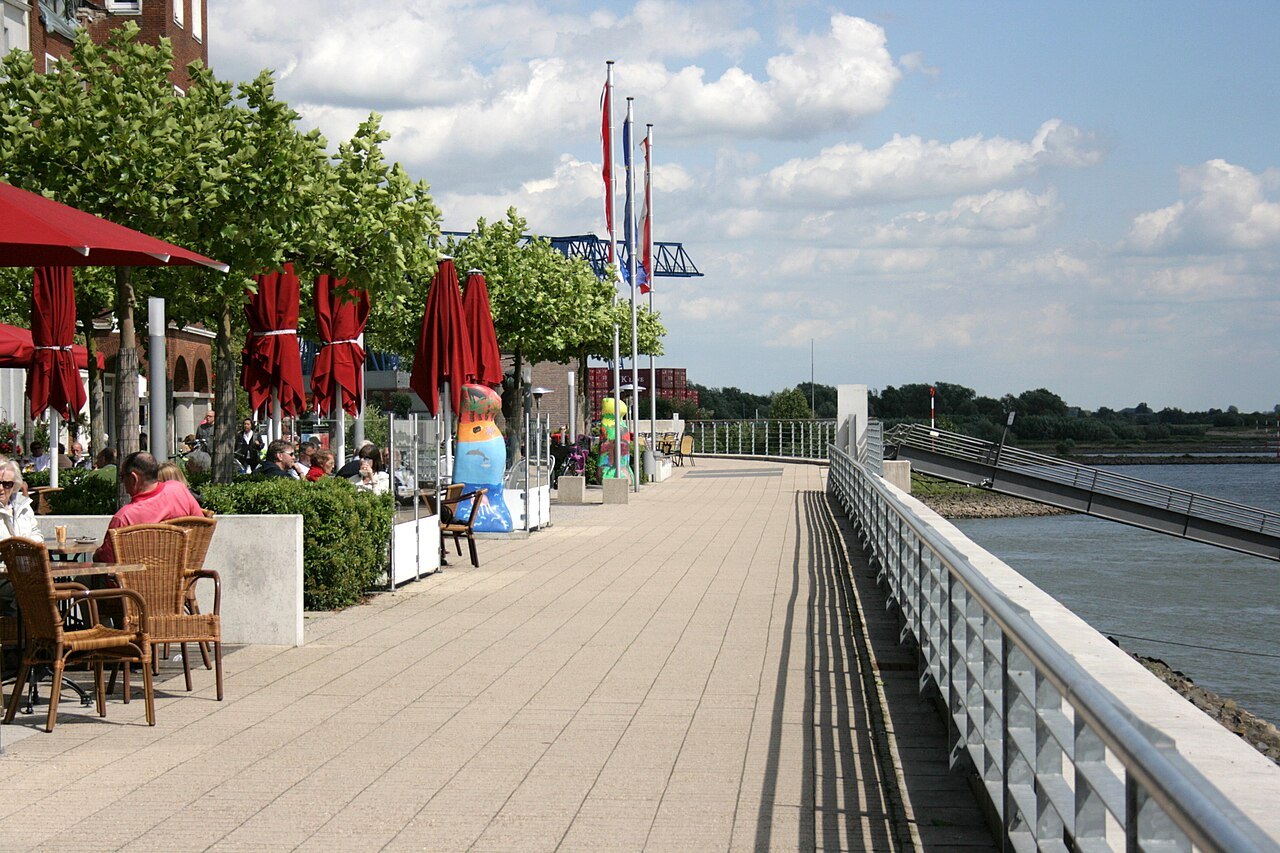
Nearby places
Begin at the Rhine promenade and use a town-centre detour to add another perspective.
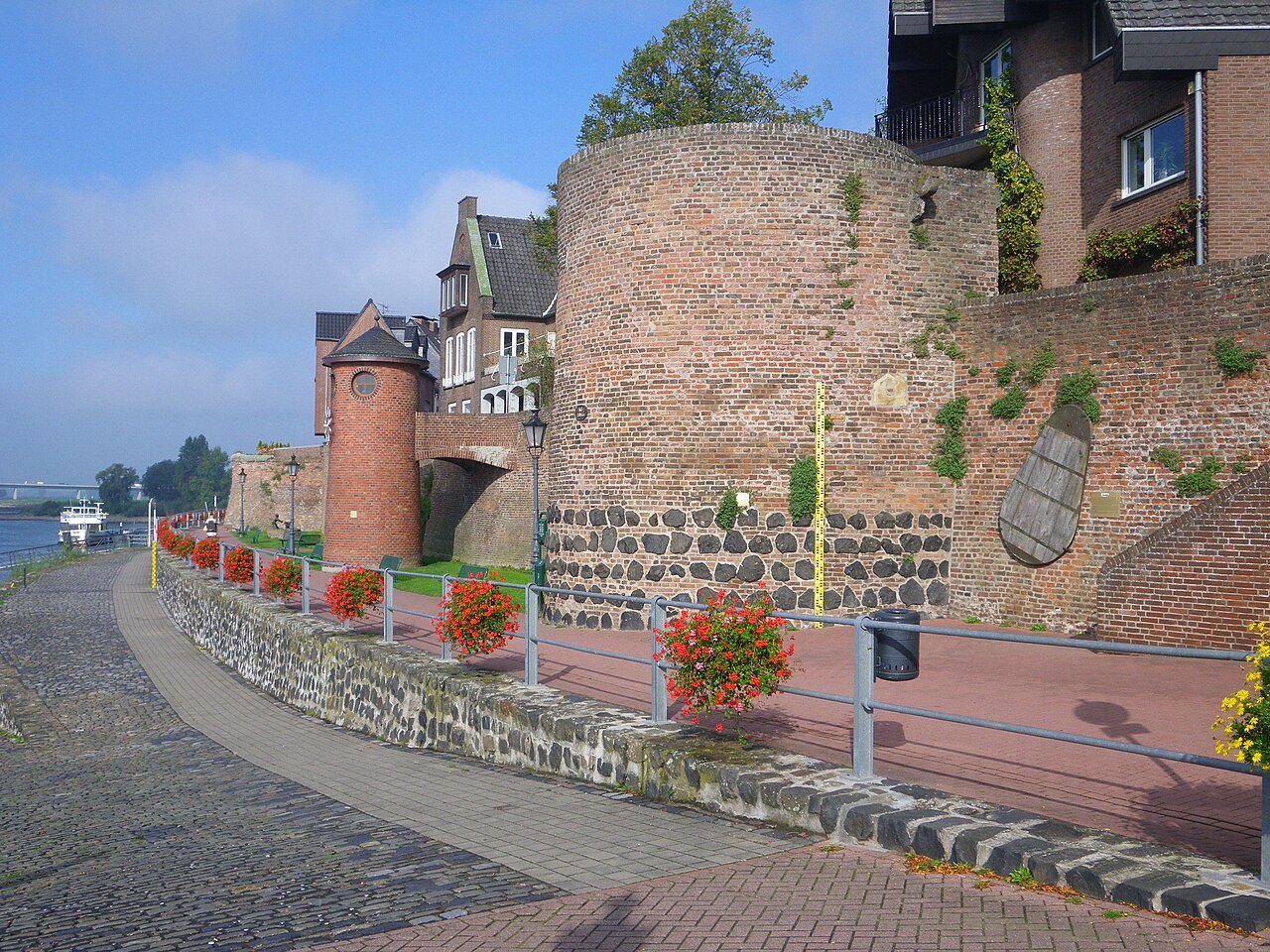
Nearby places
The customs tower, wall and modern gauge tower tell different stories along the same bank.
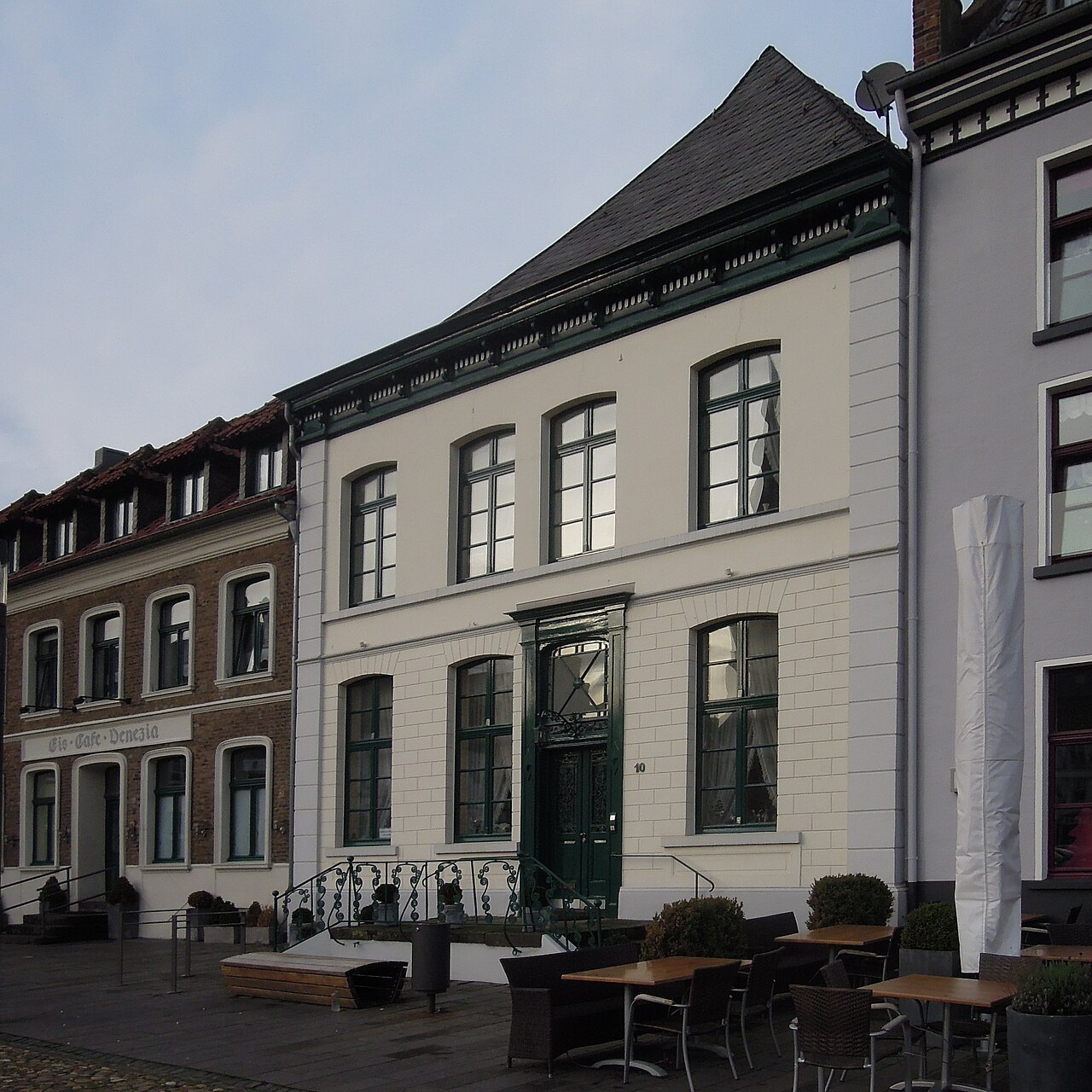
Nearby places
A few deliberate stops connect the market square, town hall, lanes and St Nicolai.
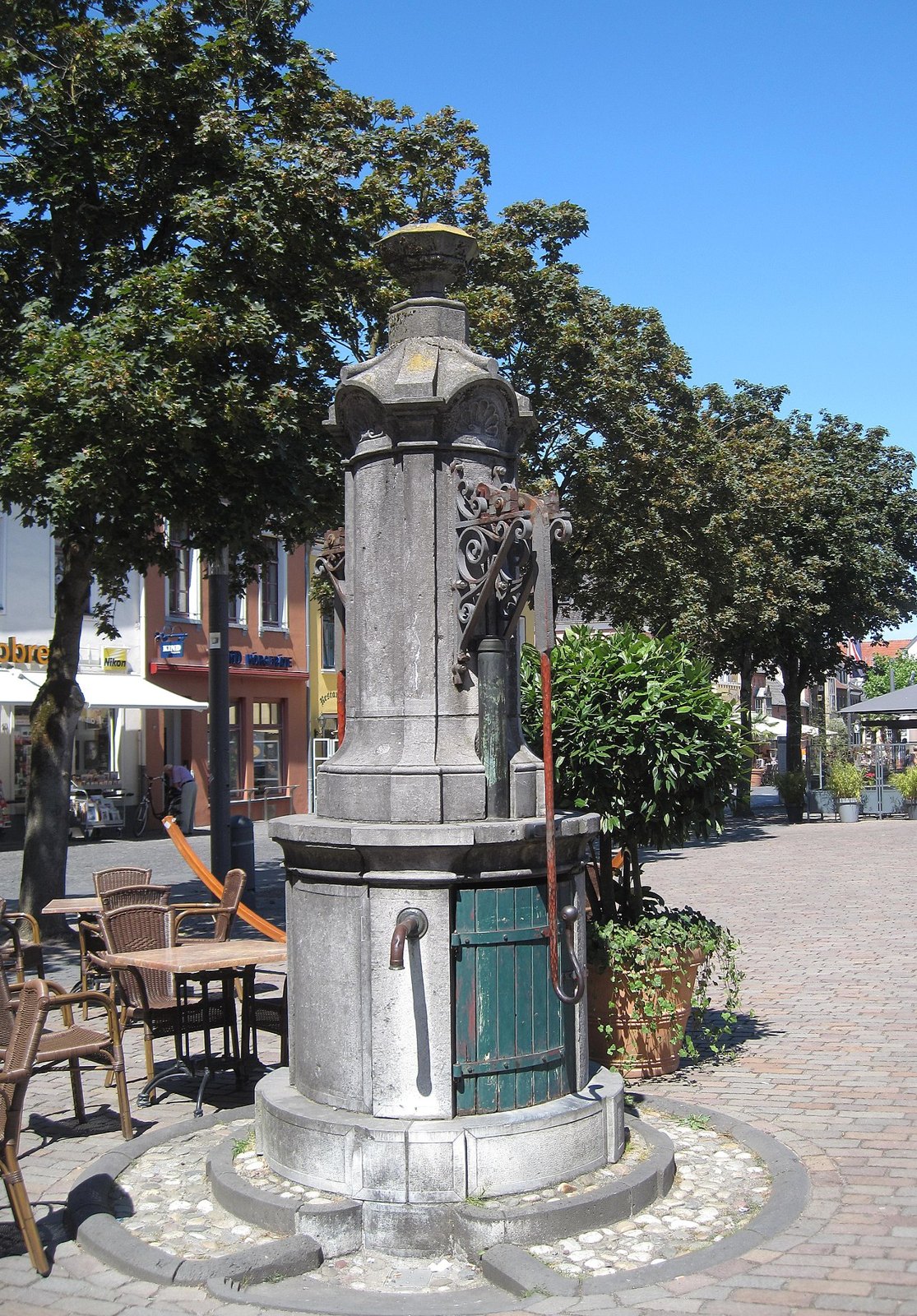
Nearby places
The old town and Archaeological Park need different time budgets; one main theme keeps the day manageable.
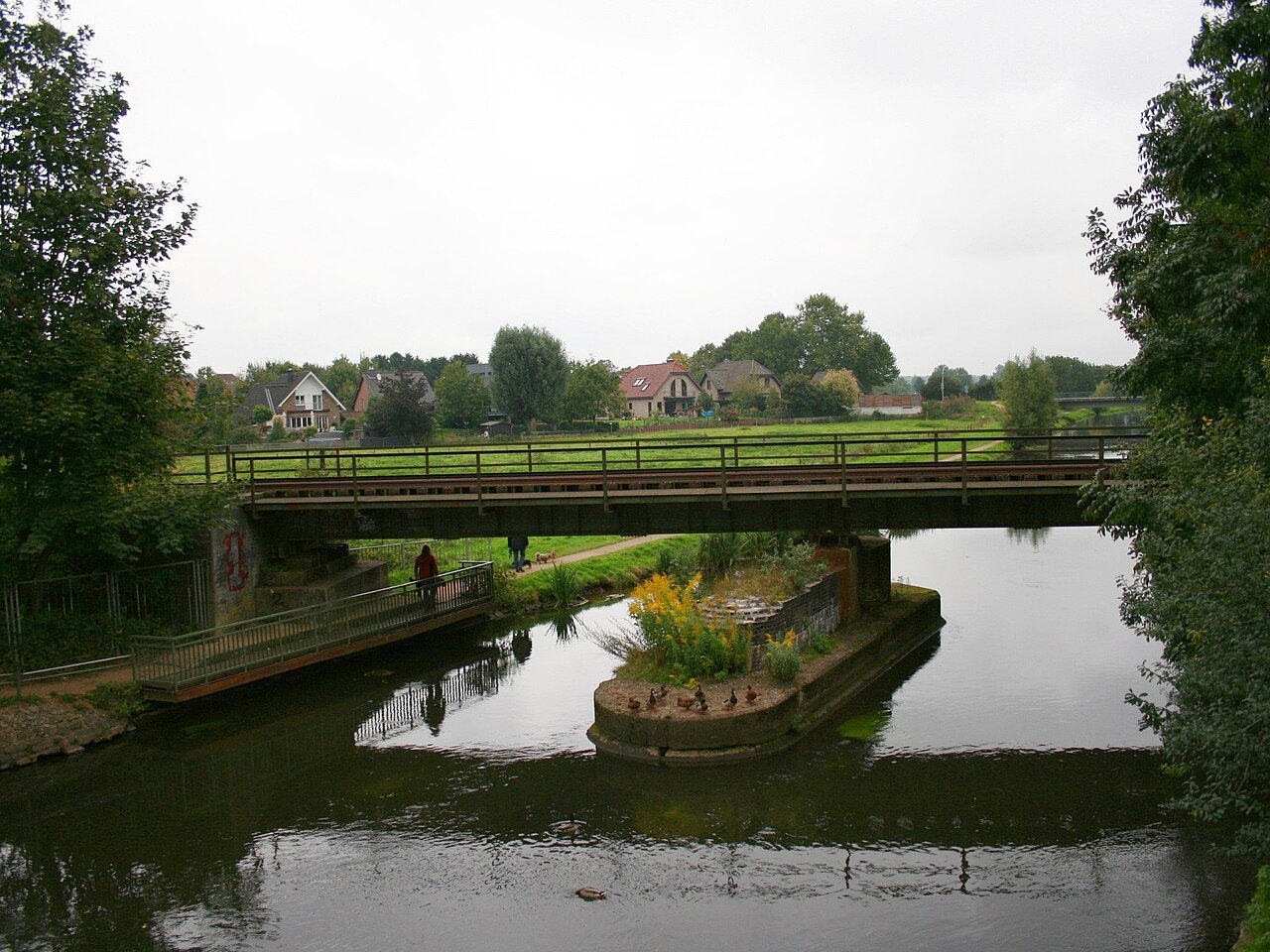
Nearby places
A section beside the Niers complements the historic stops without turning the visit into a long-distance walk.
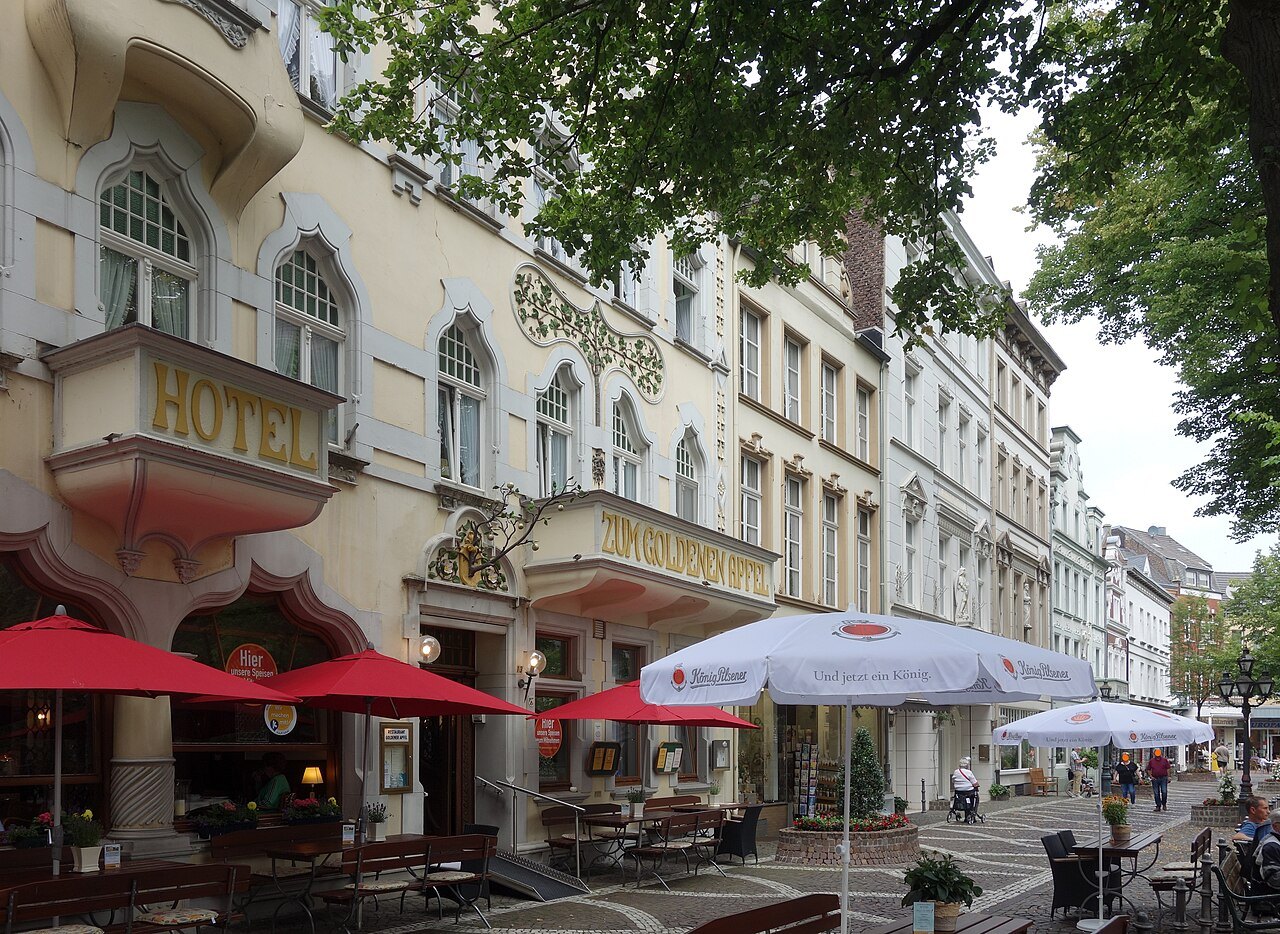
Nearby places
The chapel square and churches are accessible to curious visitors when their religious use shapes the visit.
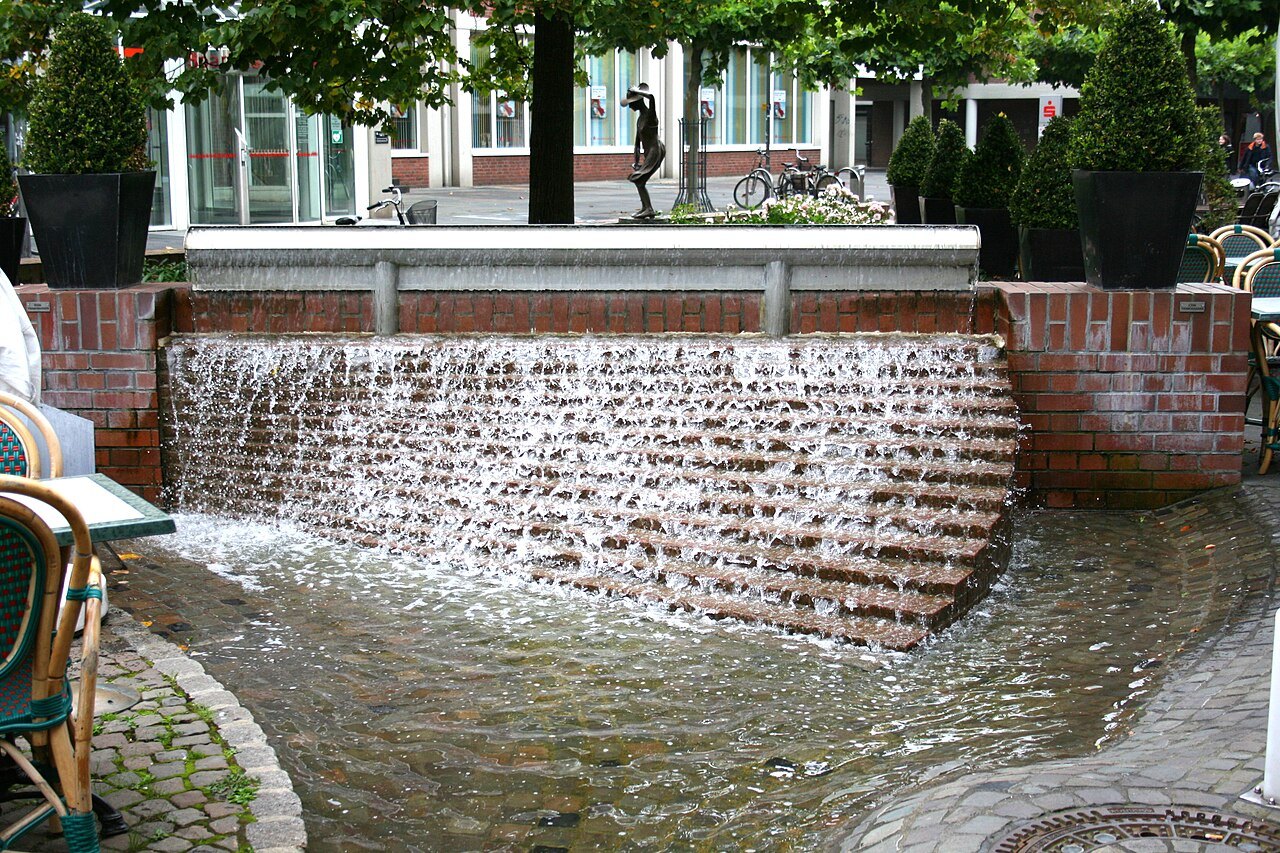
Nearby places
Selected Fortress Trail stops explain vanished boundaries, starting from the market.
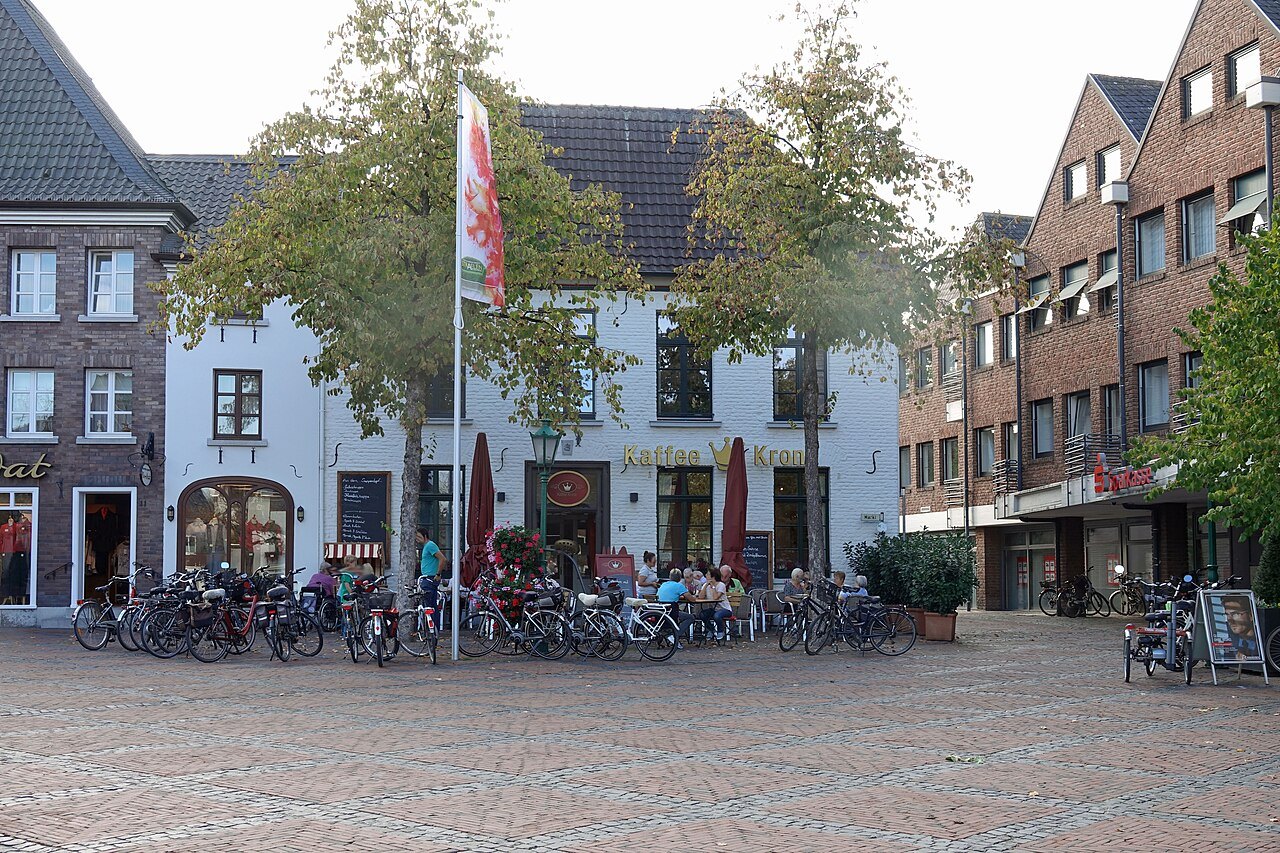
Nearby places
The market square and commercial horticulture reveal two scales of the same town.
Nearby places
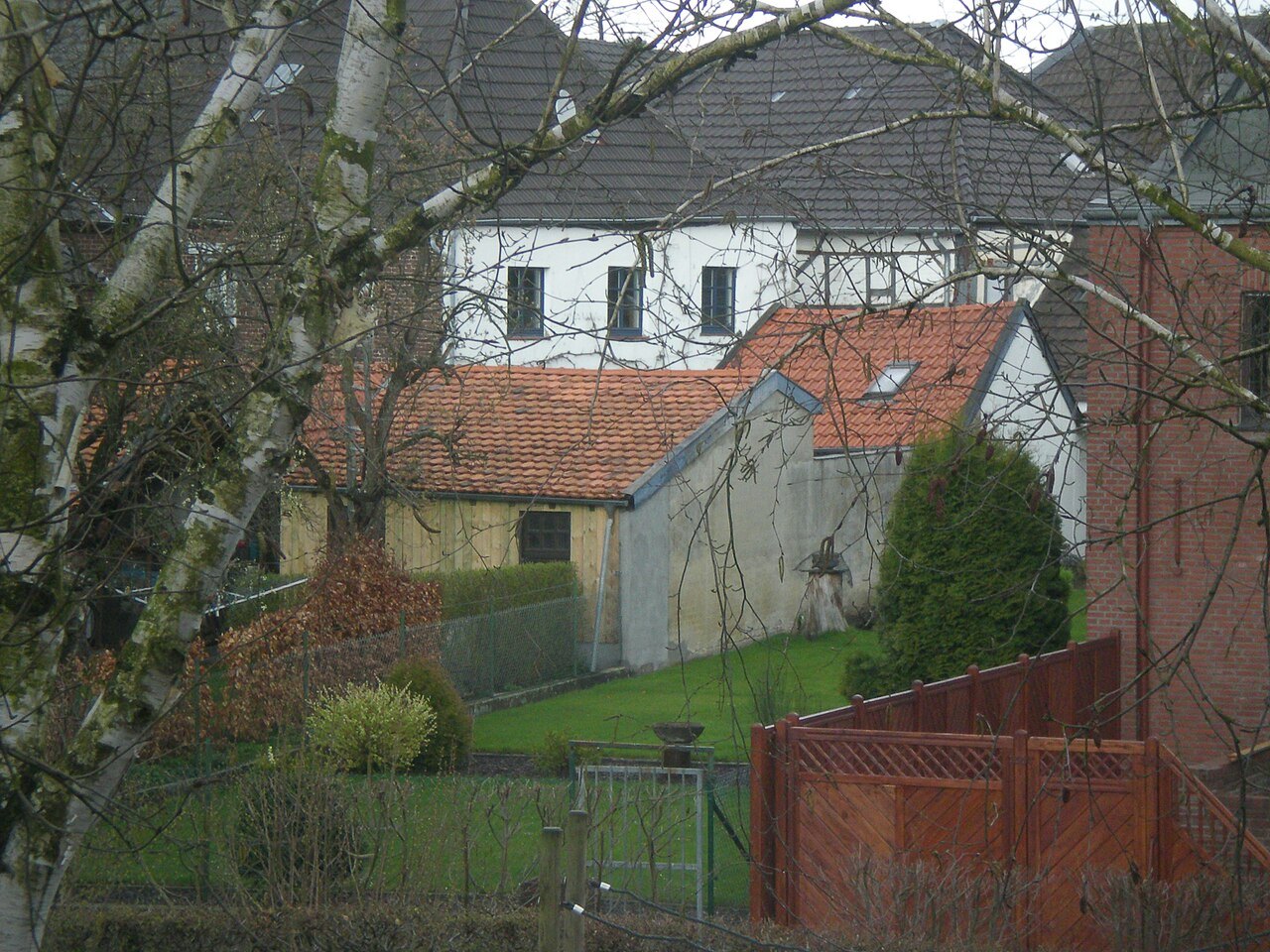
Historic houses, the Niers and former defences create a walk with changing perspectives.
Nearby places
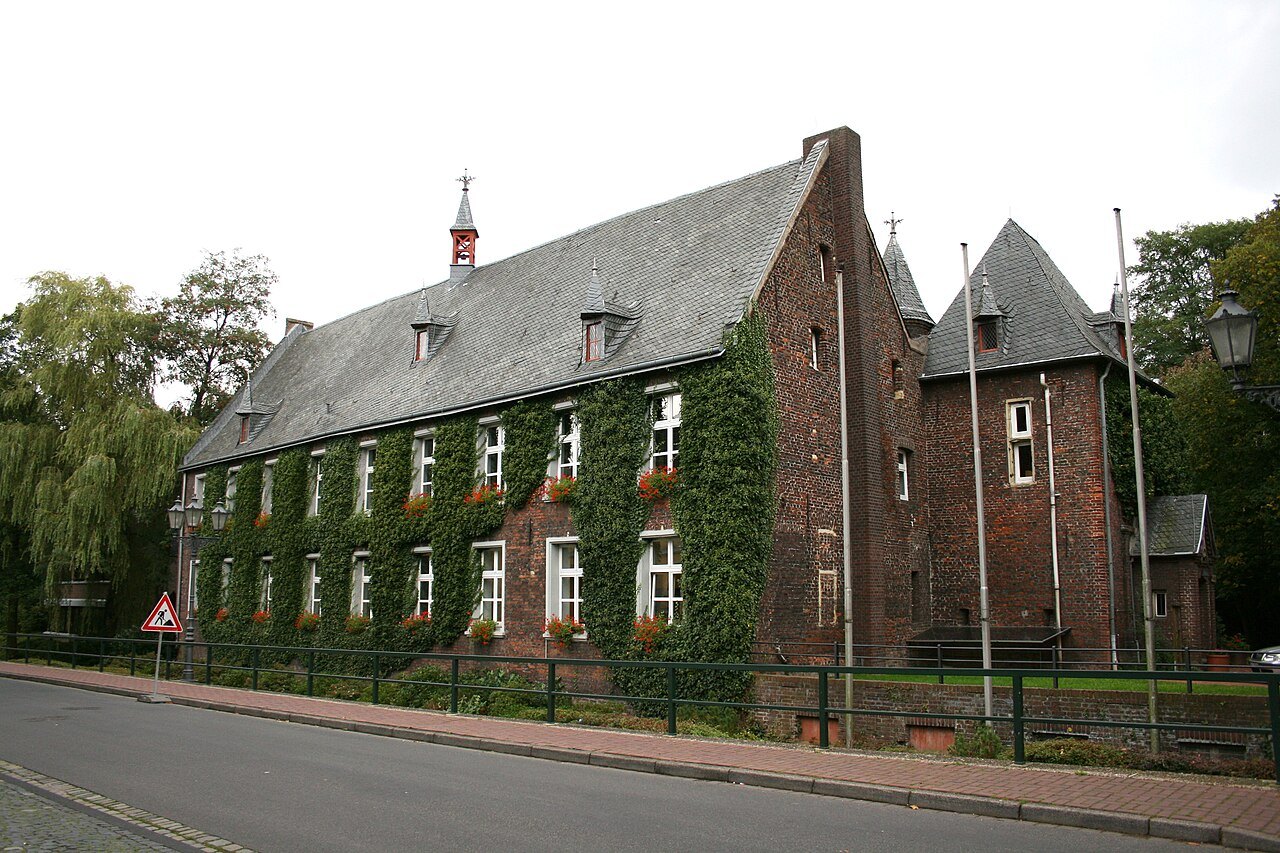
Haus Issum, its gatehouse and garden provide a clear centre for a short visit.
Nearby places
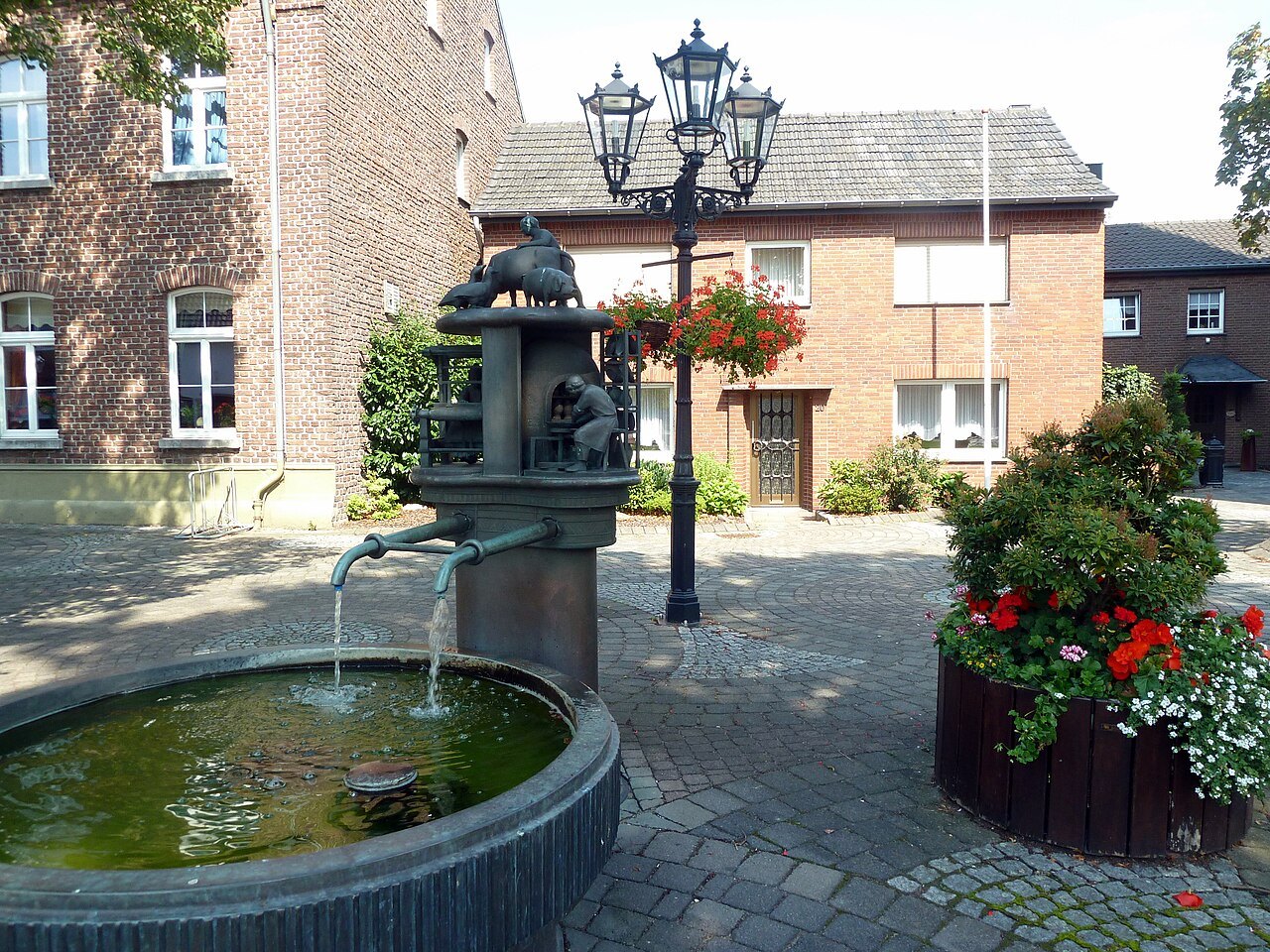
A village centre and hill walk can work together when Rheurdt and Schaephuysen remain distinct on the map.
Nearby places
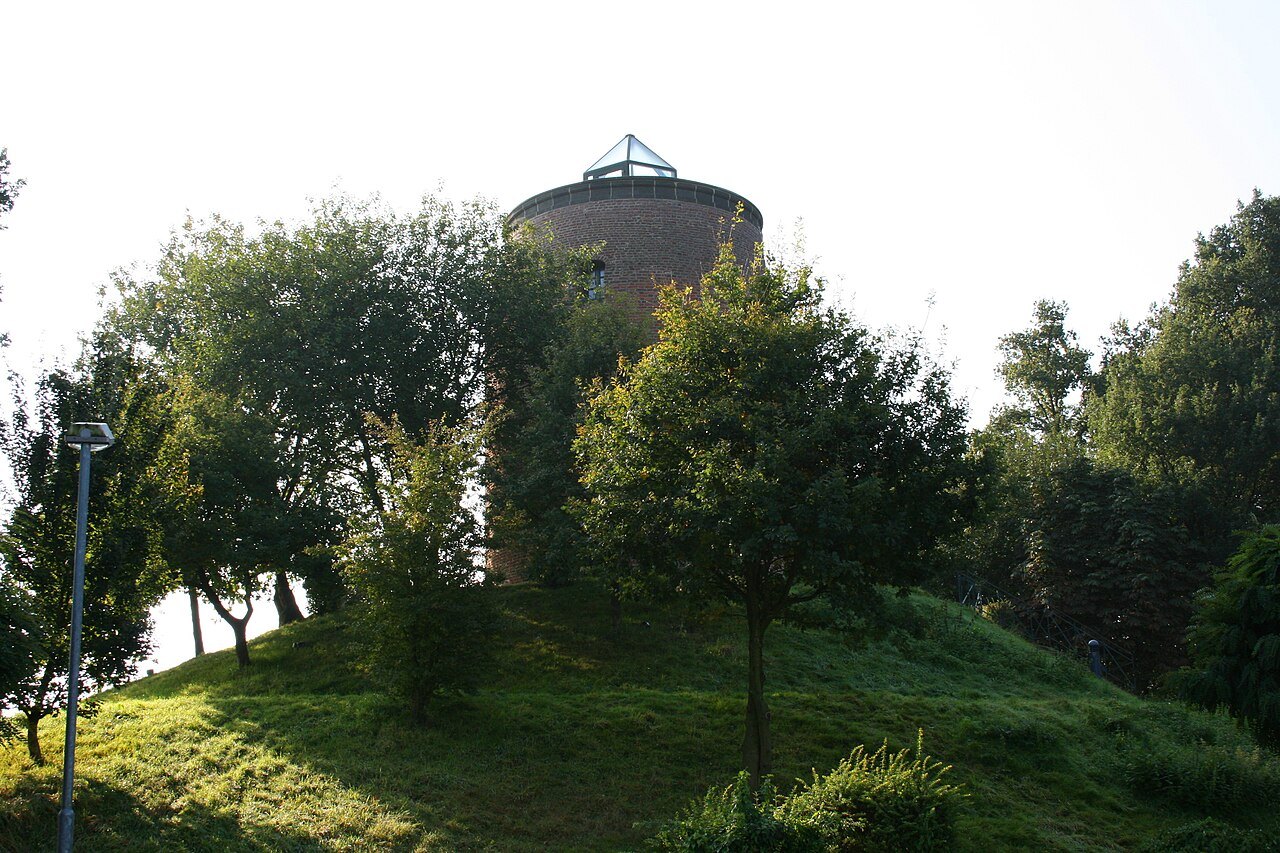
Hohe Mühle adds a second destination and a different perspective on Uedem.
Nearby places
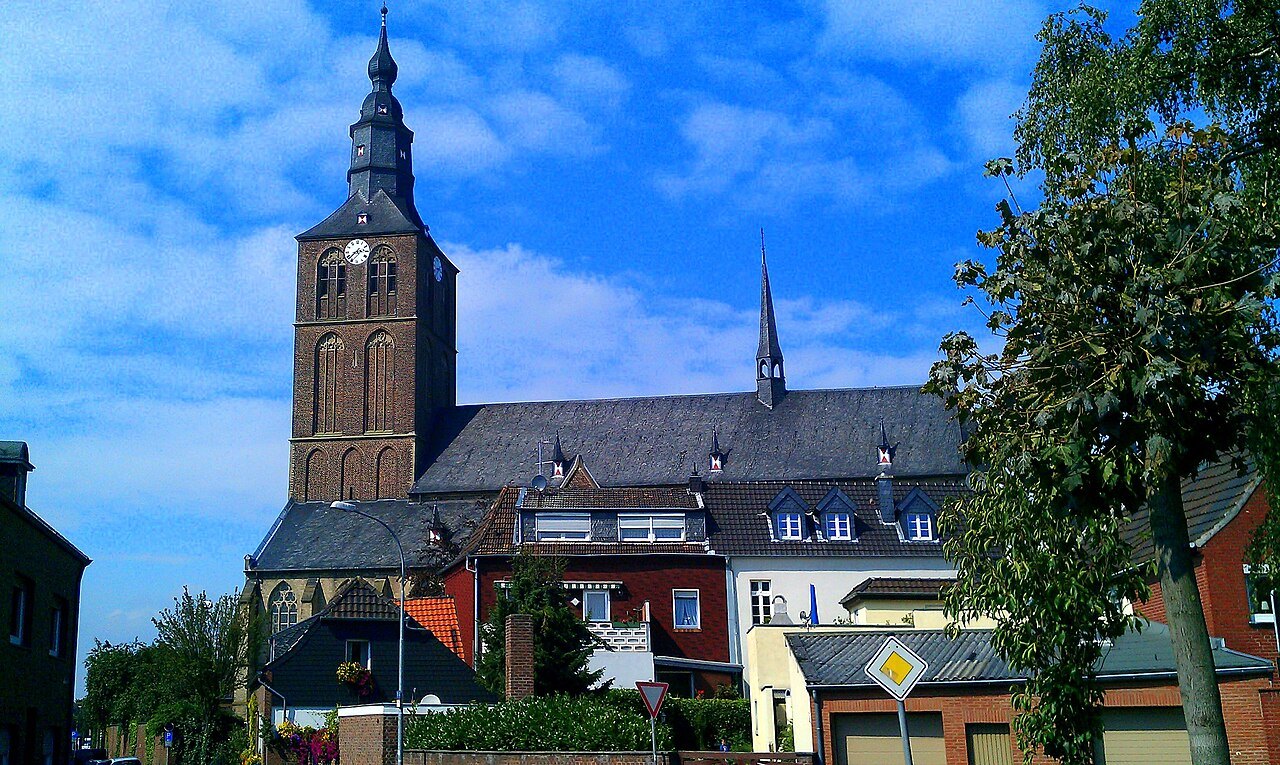
Explore two village centres with the same questions while allowing each to retain its own character.
Nearby places
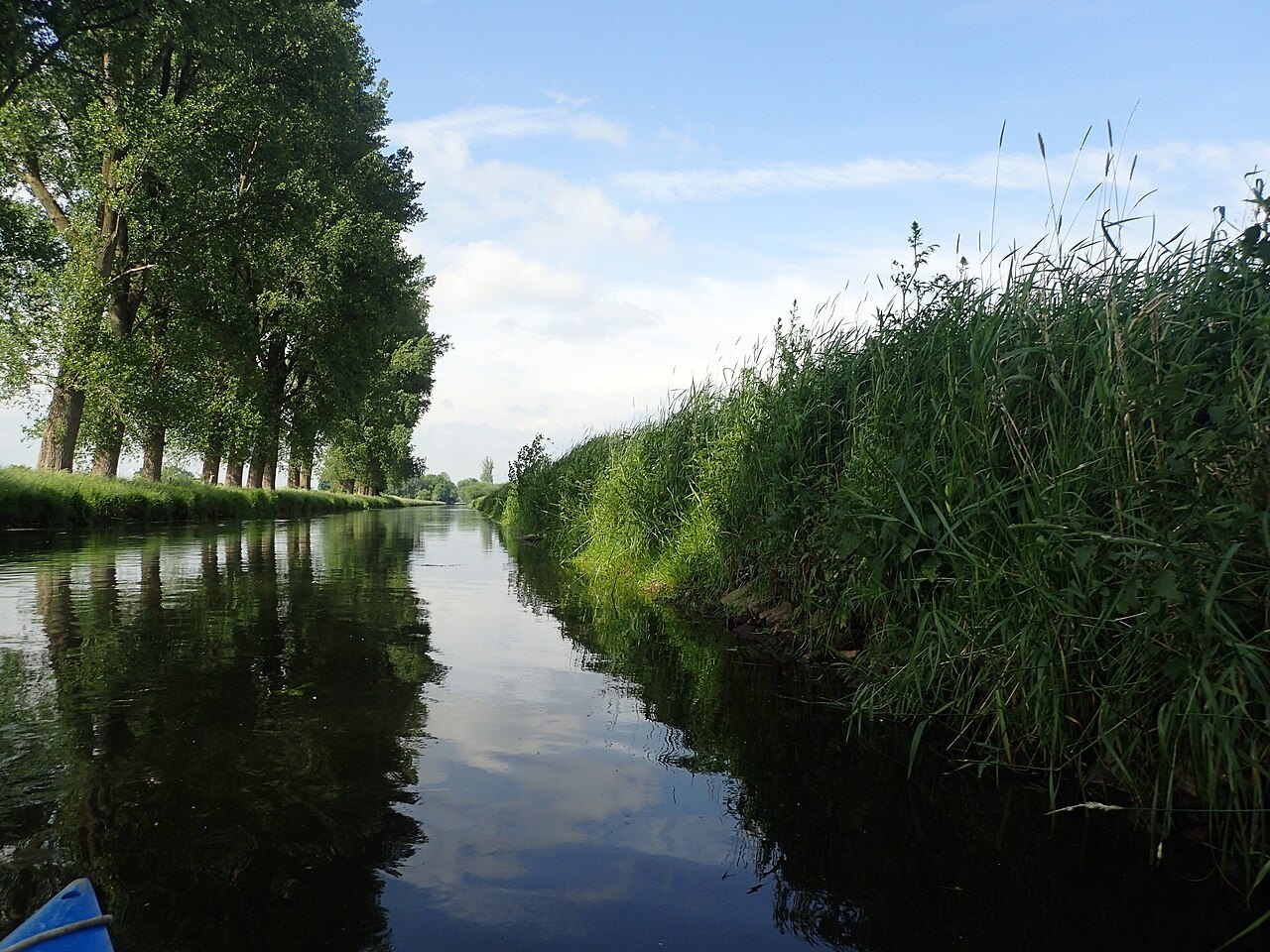
The old market and Niers give Weeze a focus beyond its association with the airport.
Nearby places
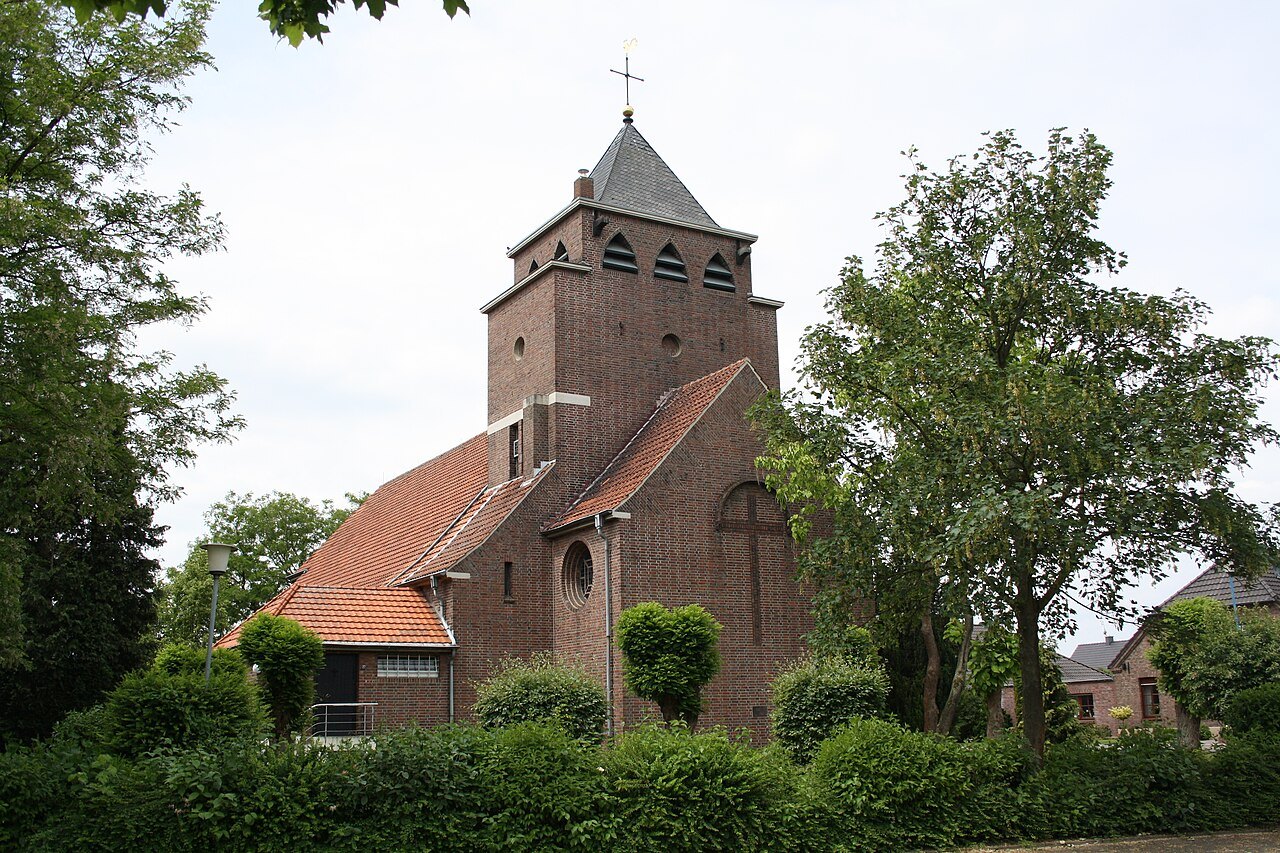
A museum day at Moyland and a village visit in Hasselt are different choices within the same municipality.
Nearby places
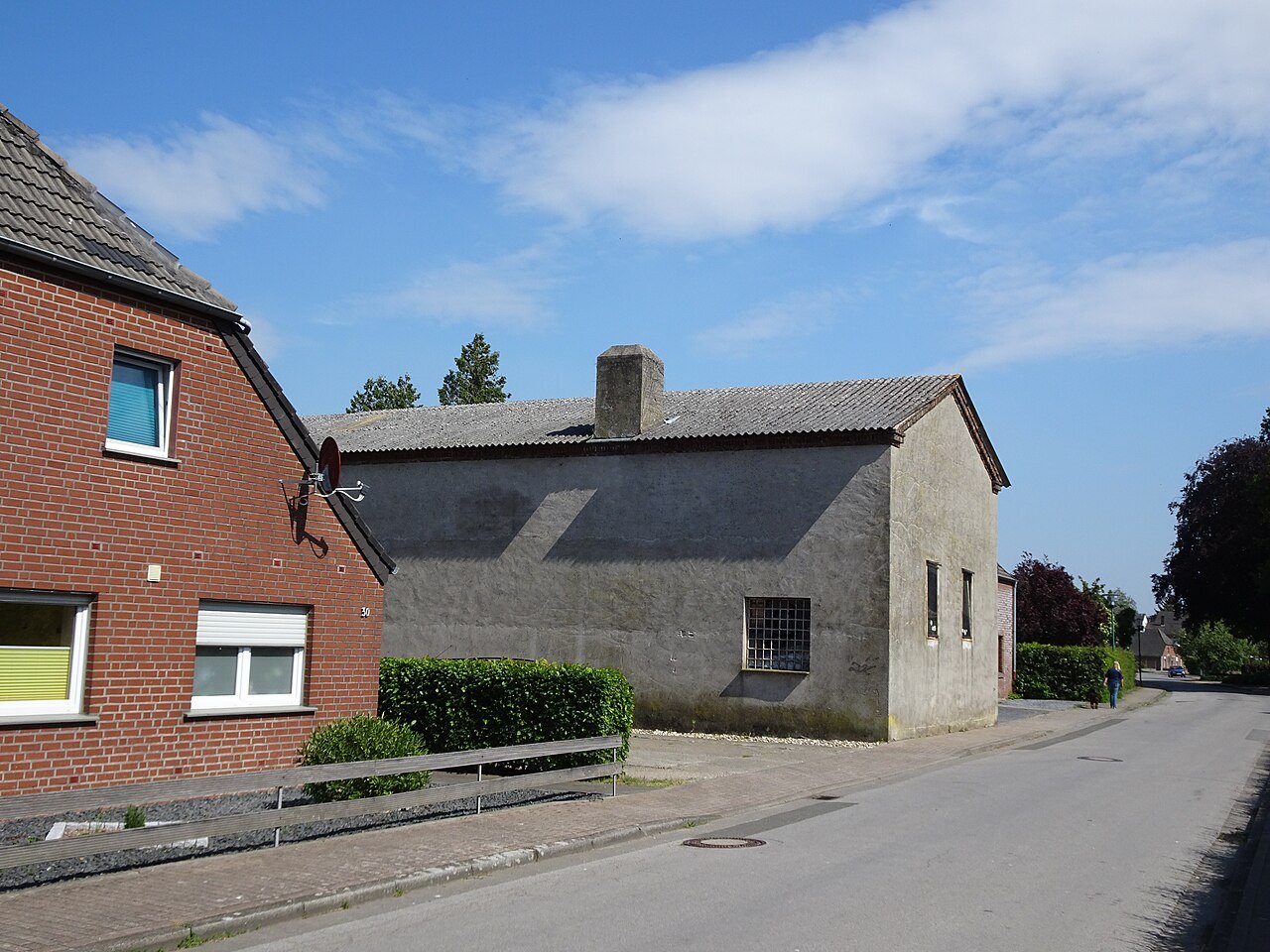
The church area, village streets and open fields establish Appeldorn’s scale.
Nearby places
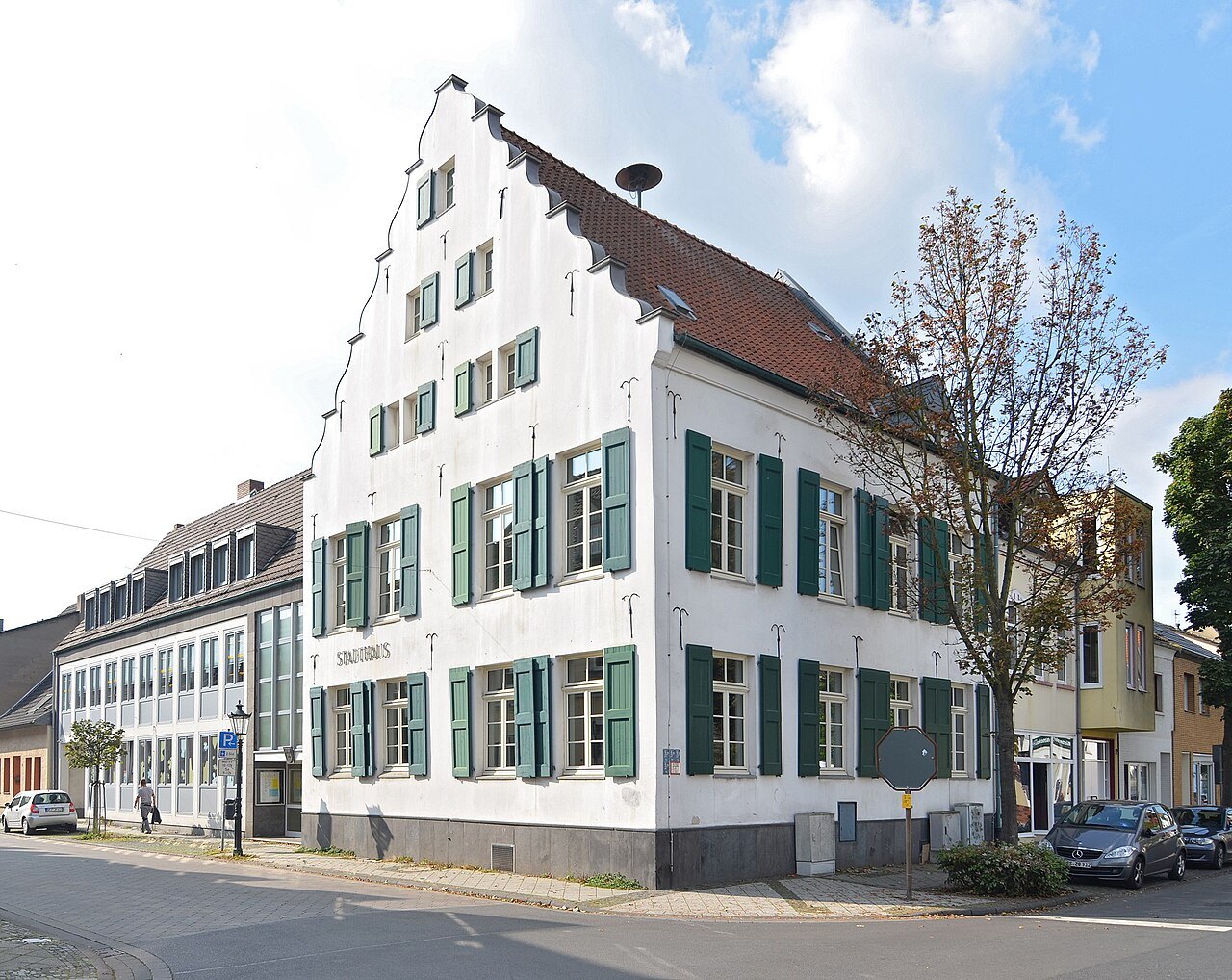
Small streets beside a broad river help explain the town’s connection with shipping and fishing.
Nearby places
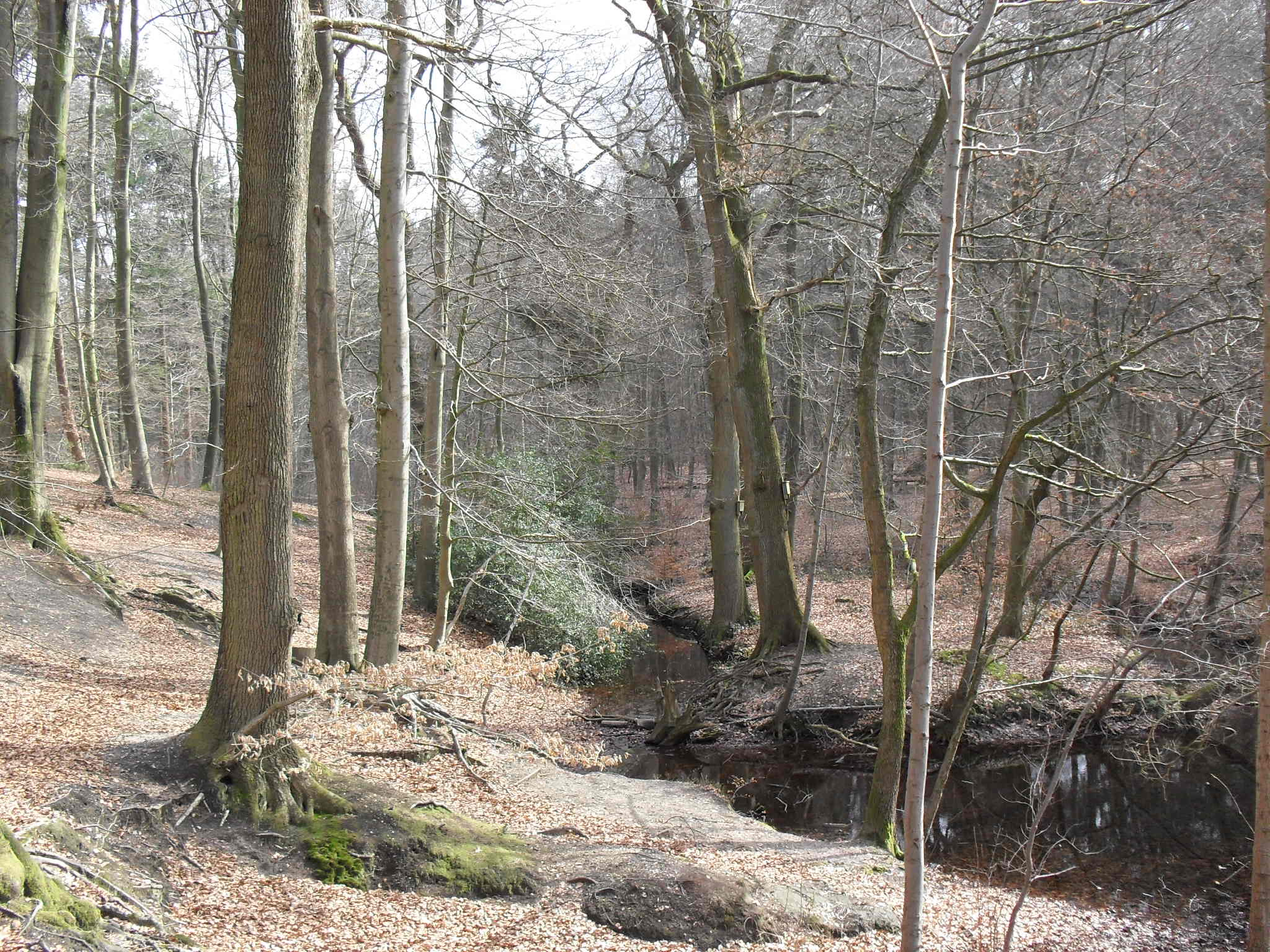
The Rhine gate, ramparts and powder tower connect defence and flood protection across different periods.
Outdoors
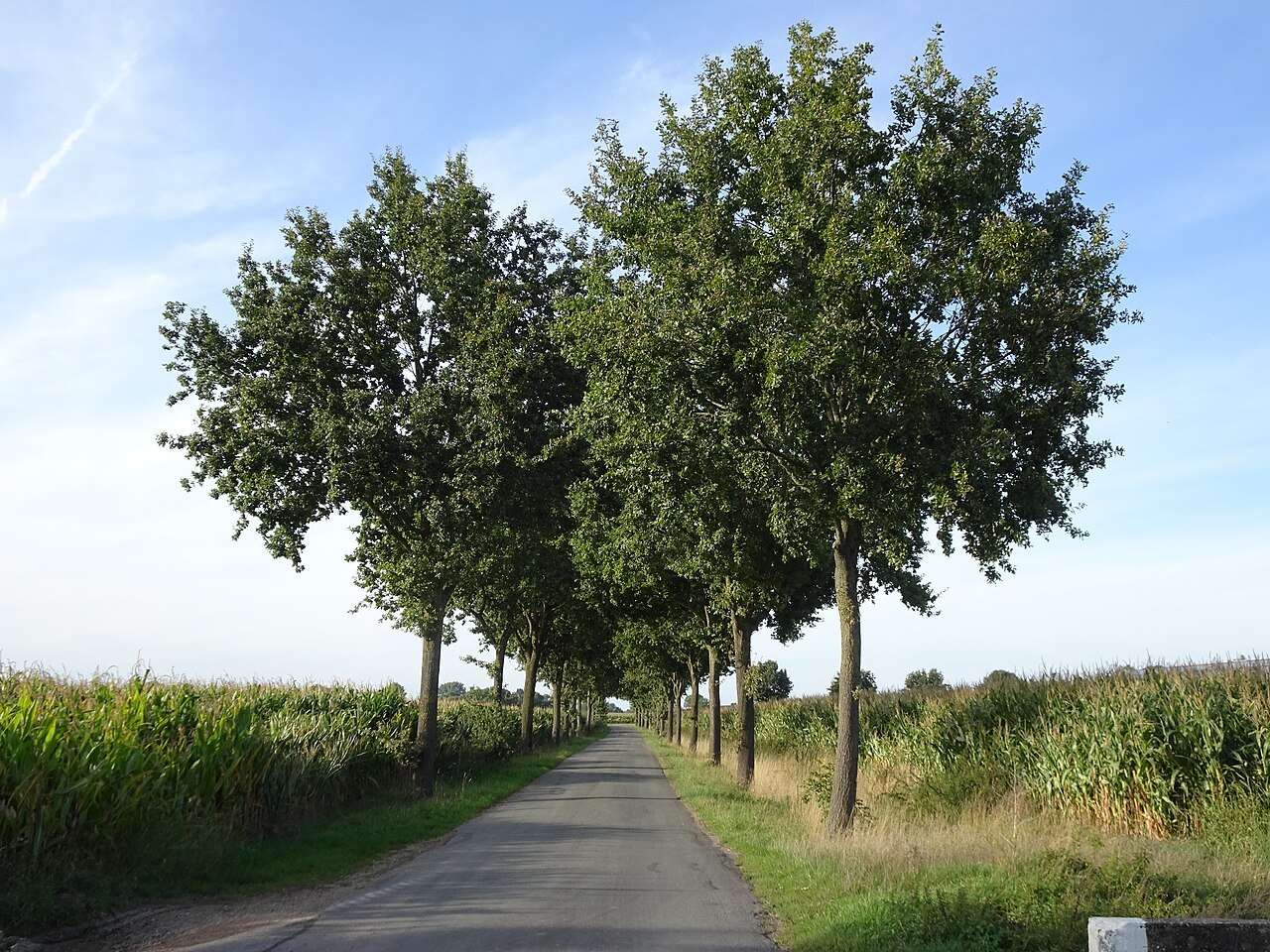
A clear starting point, a suitable walk and time to notice the surroundings make a large forest manageable for a day out.
Outdoors
Meadows, ditches and hedges reveal how water and farming shape the Düffel.
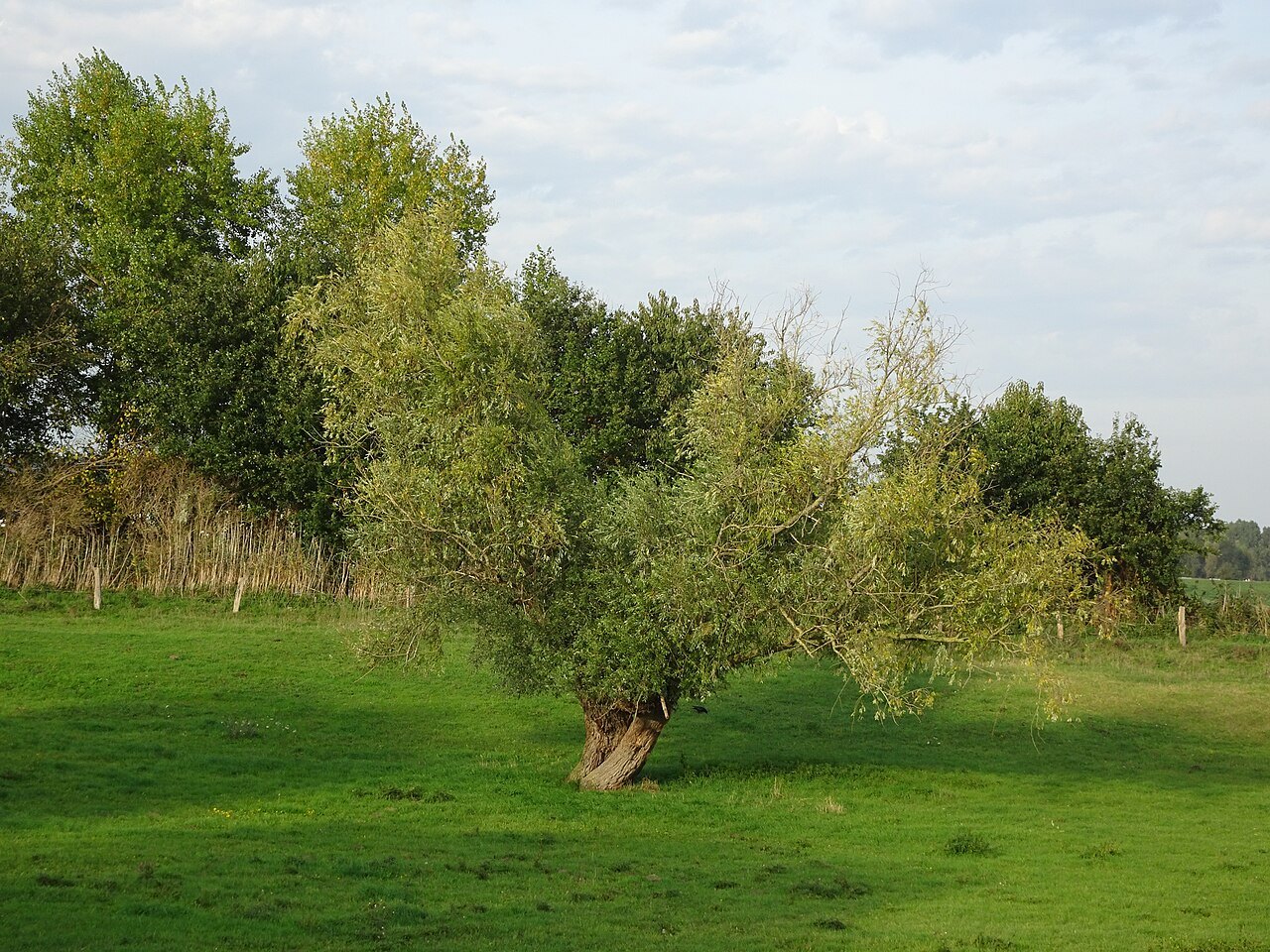
Outdoors
A visit to the open Rhine foreland begins with a suitable public route, rather than the shortest line to the water.
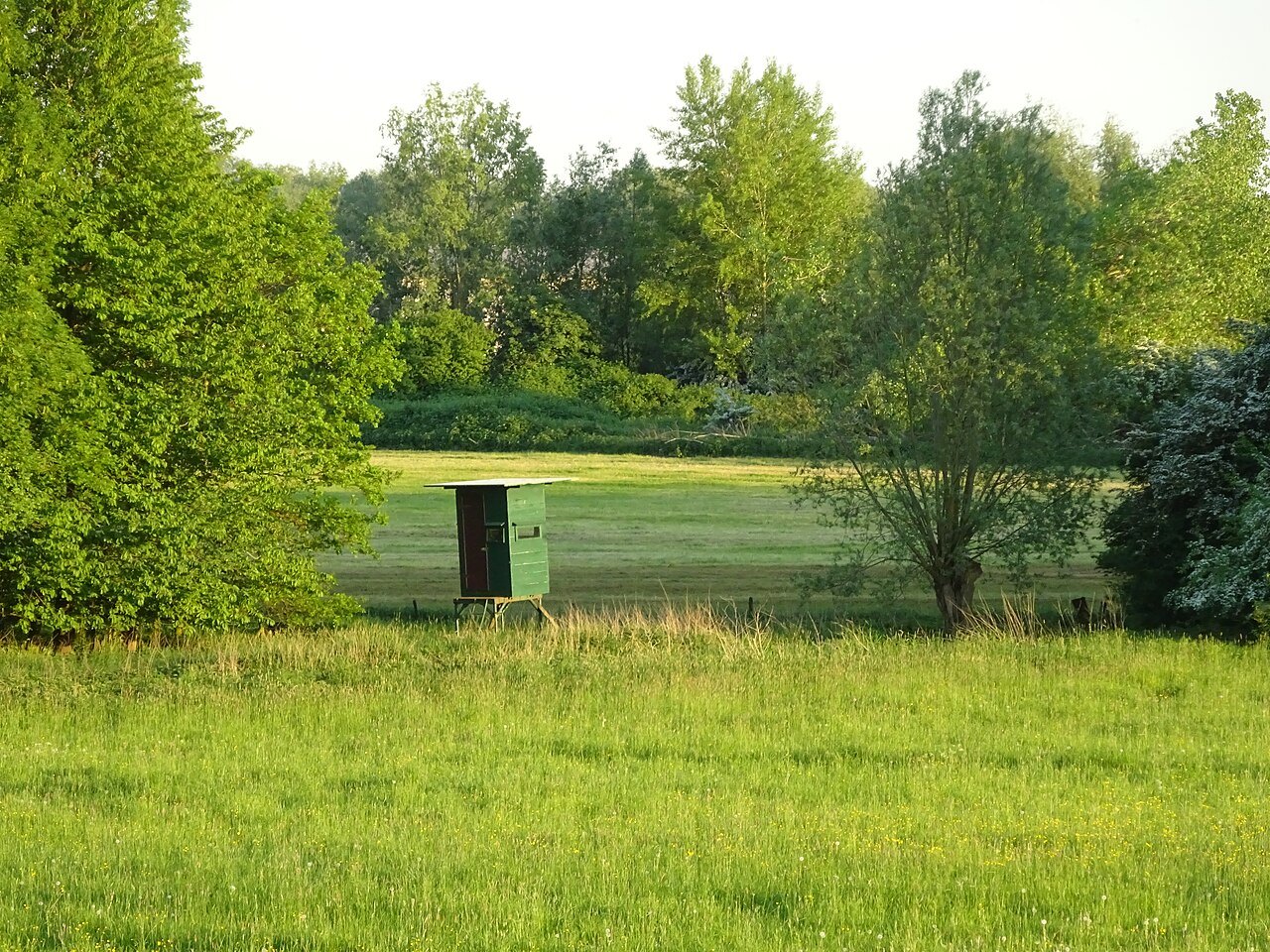
Outdoors
The dyke offers a way to compare water, grassland and floodplain woodland without entering wildlife refuges.
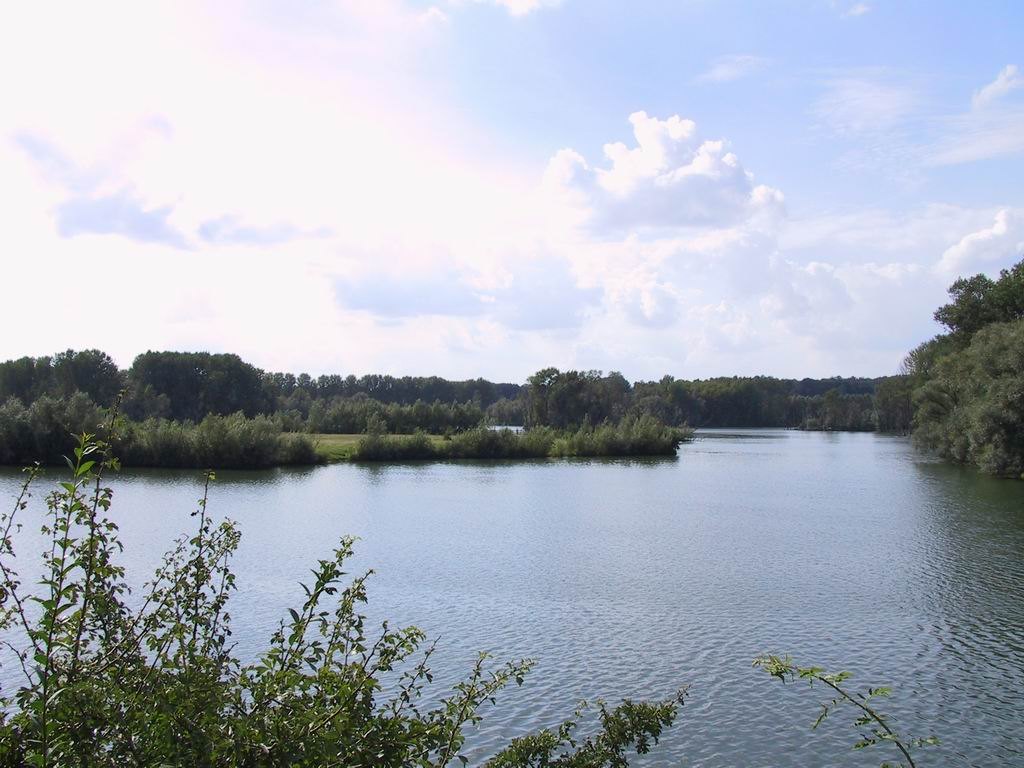
Outdoors
Observation stops shape a visit to Bislicher Insel; its name does not promise an unrestricted island beach.
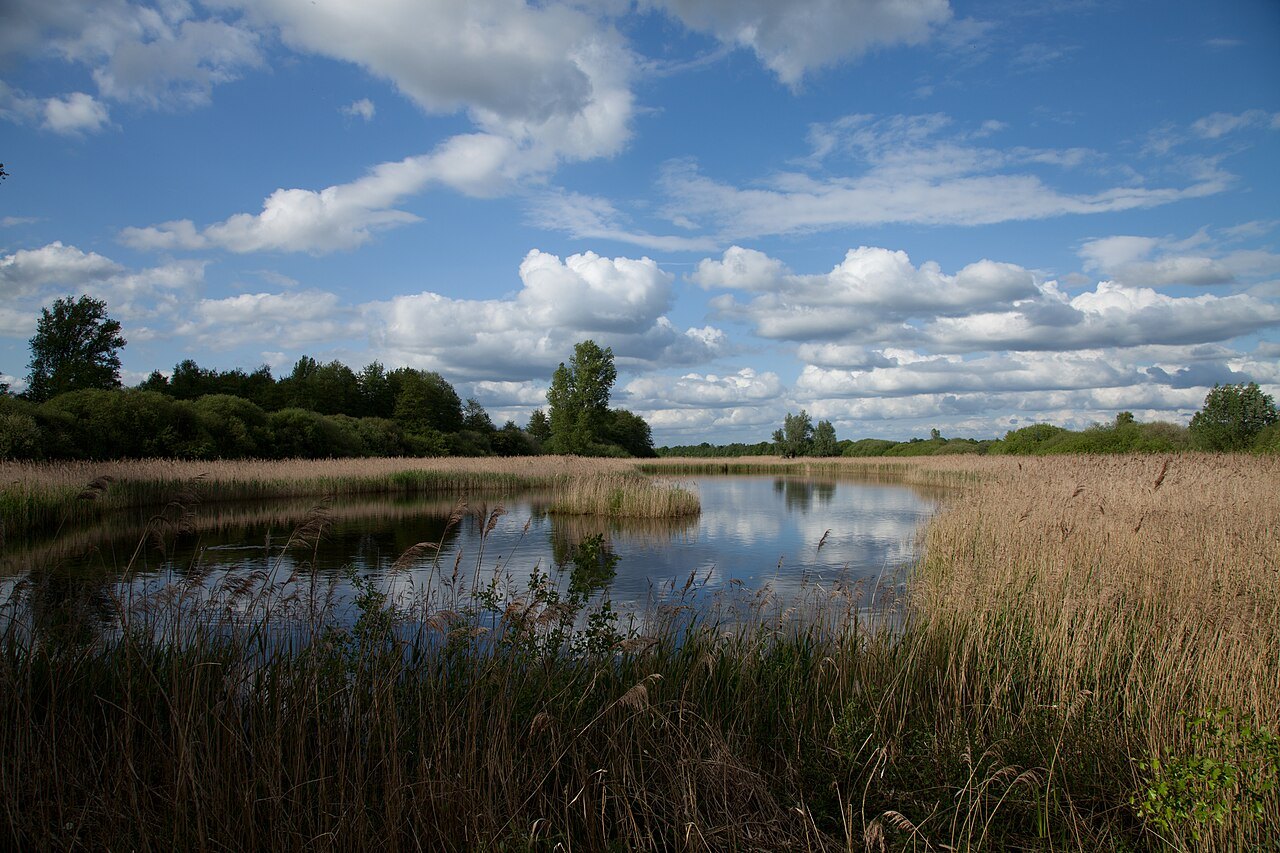
Outdoors
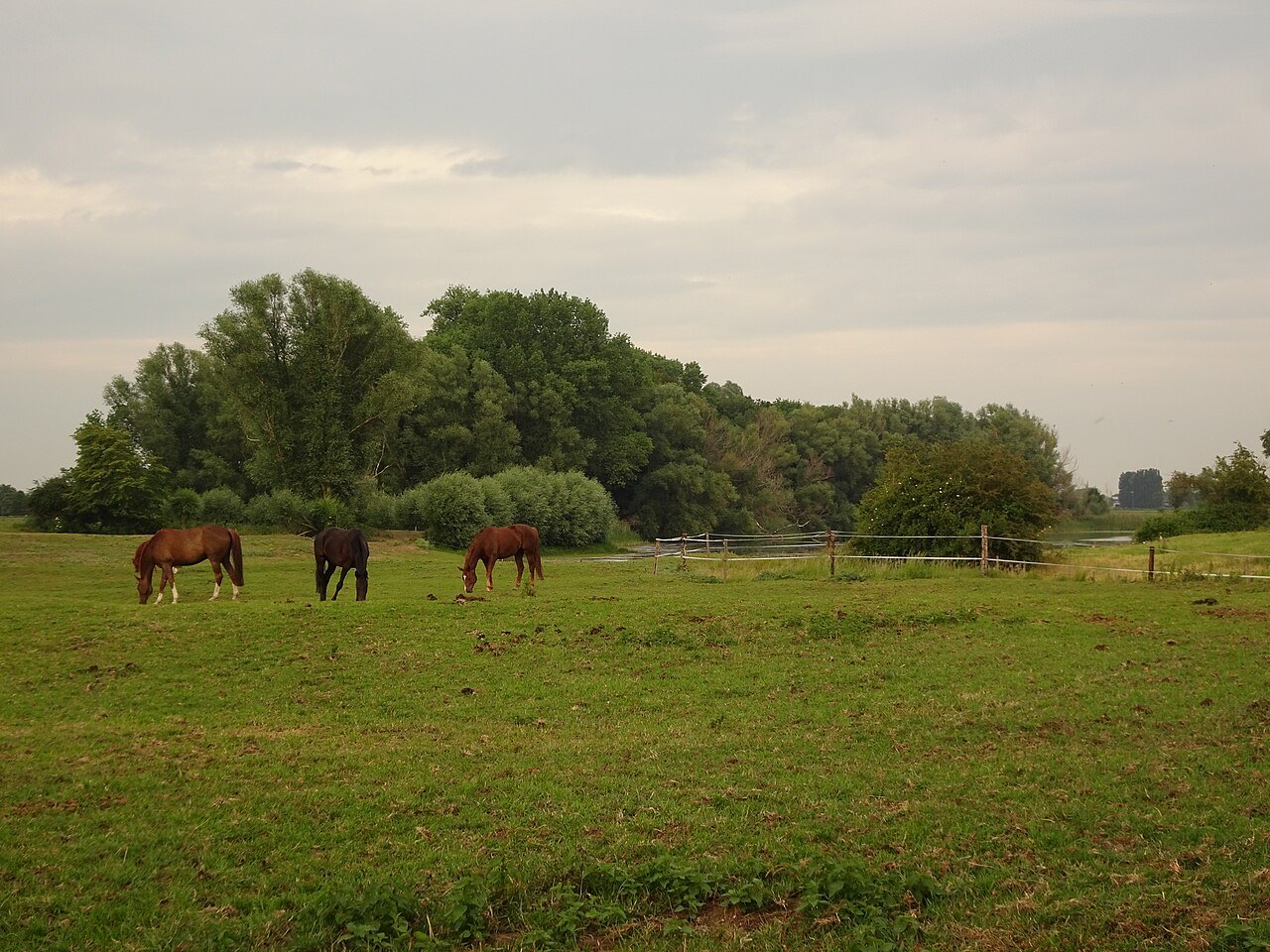
The wetland near Kranenburg can be understood from its surrounding paths by allowing time to examine its habitats.
Outdoors
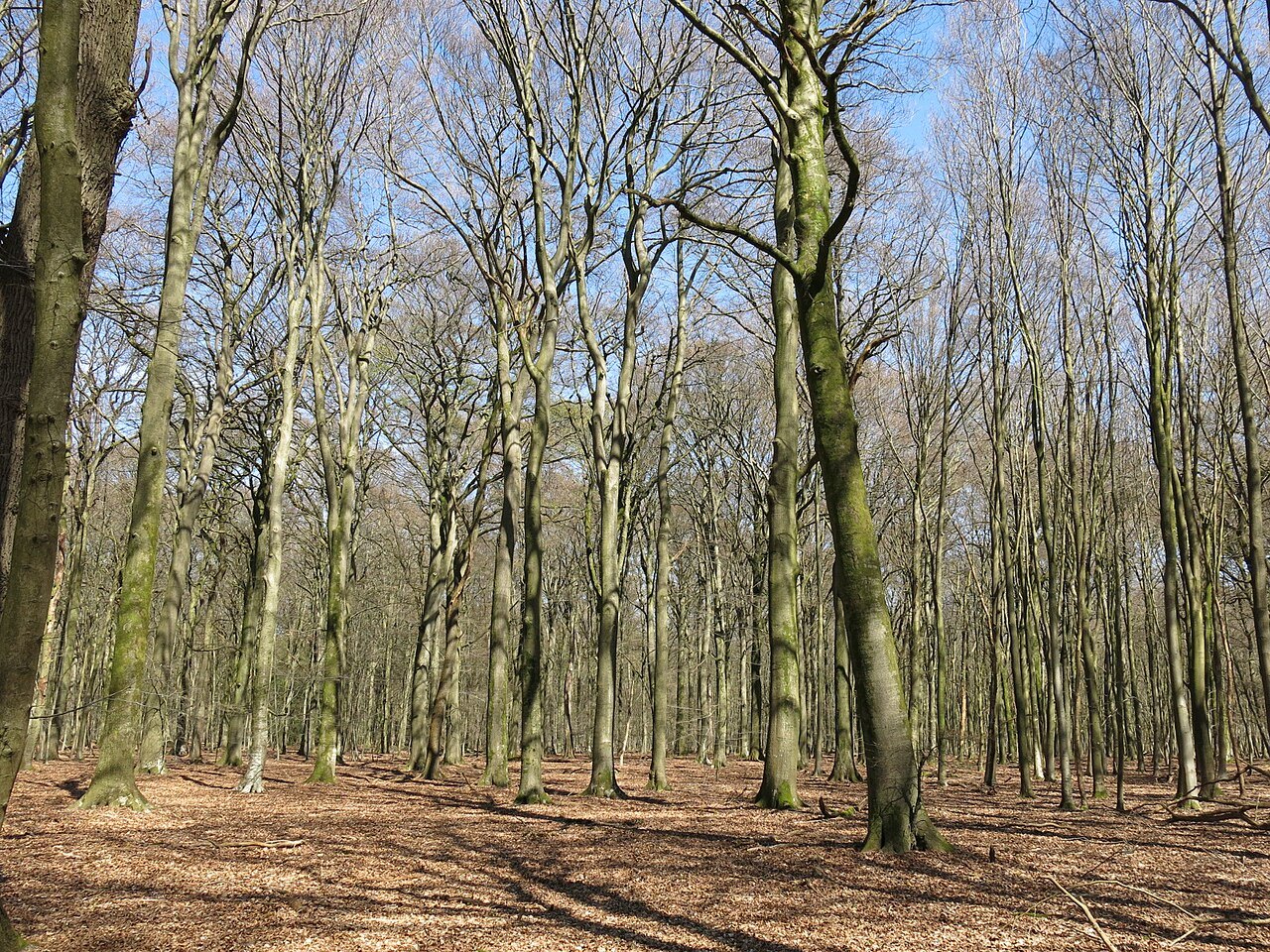
Small pools reveal river history and land use; the Drususdeich provides a starting point for observation.
Outdoors
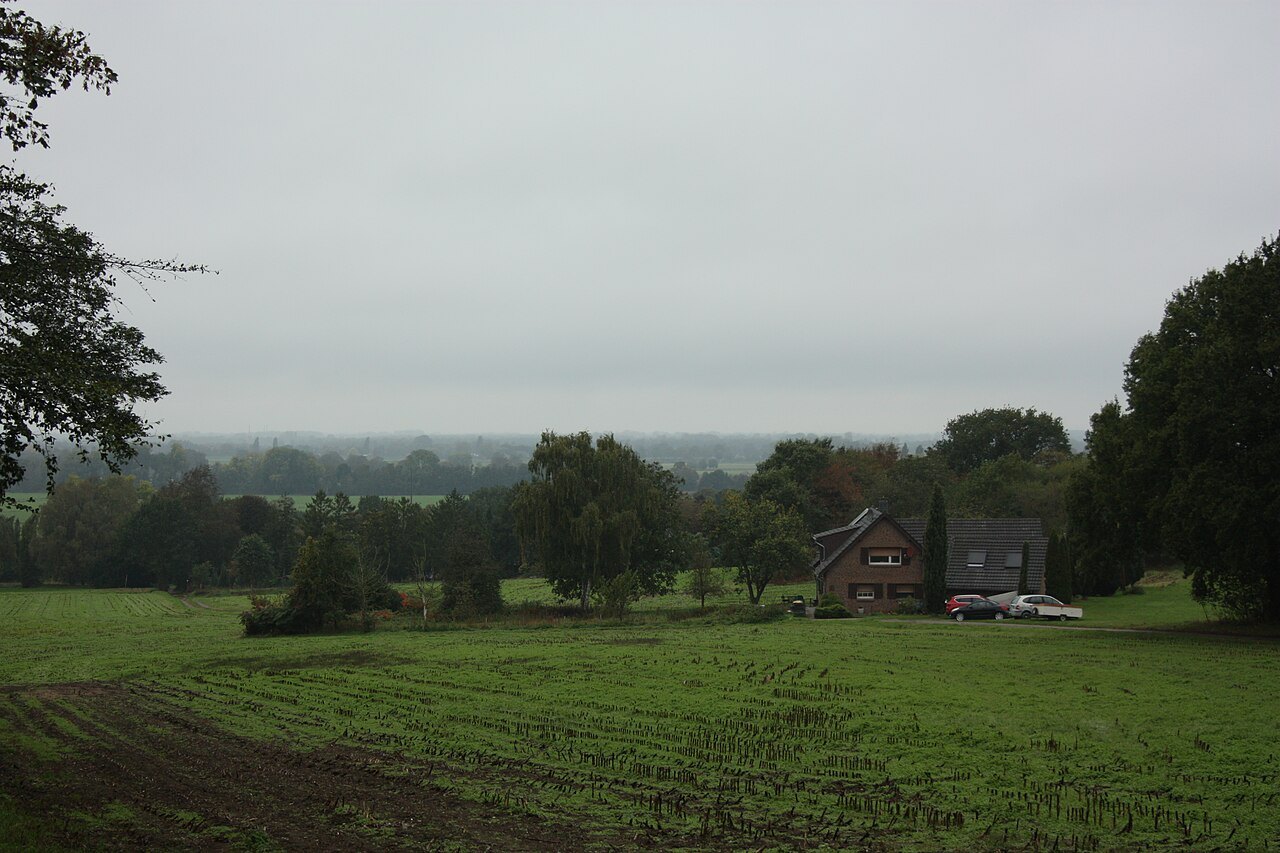
Old trees, young growth and fallen wood reveal differences in woodland structure.
Outdoors
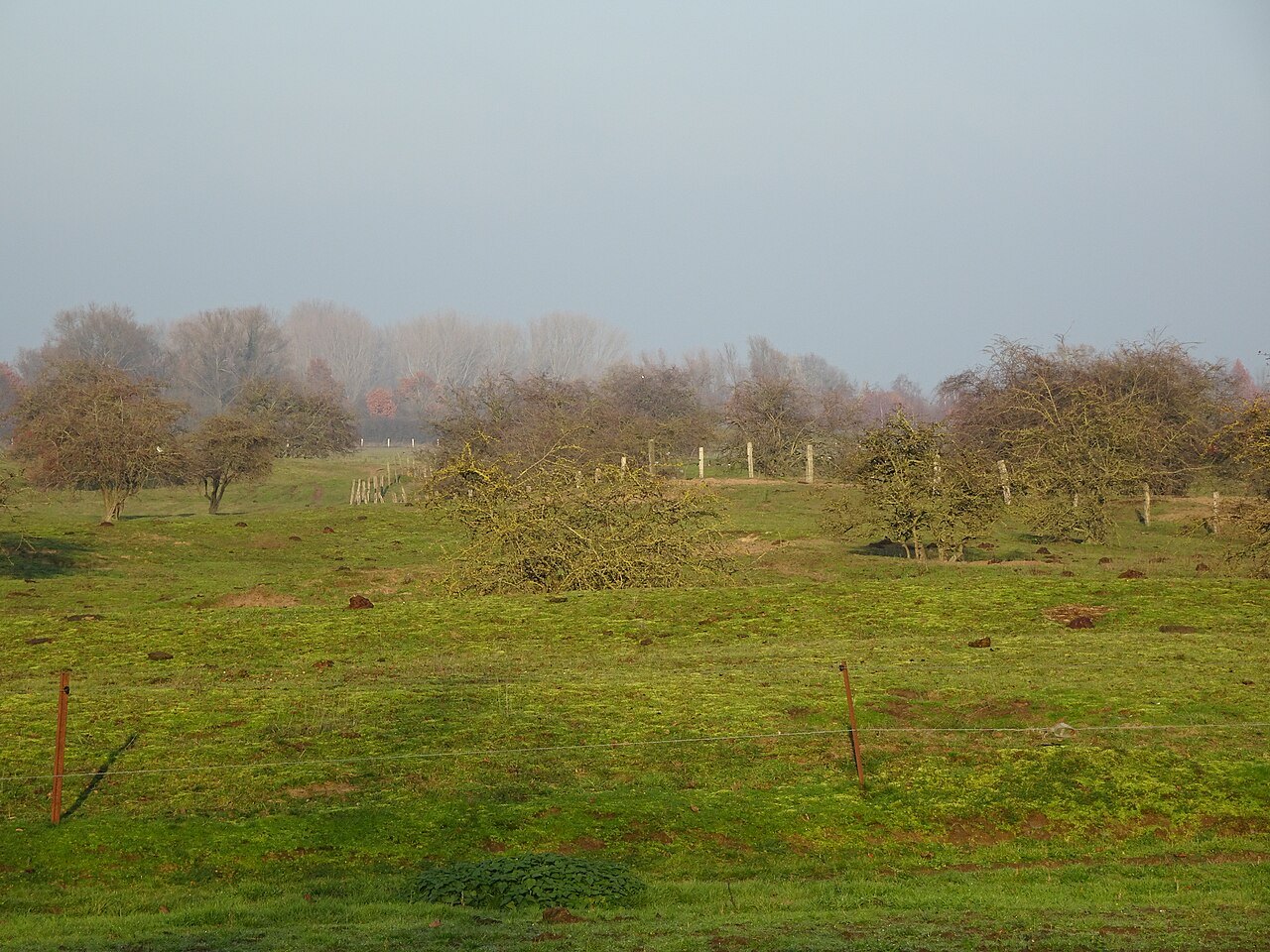
The approach determines the effort involved; allow separate time for climbing, the view and exploring the village.
Outdoors
River sand, low vegetation and protected paths make the Wisseler dunes a different destination from the nearby bathing lake.
Outdoors
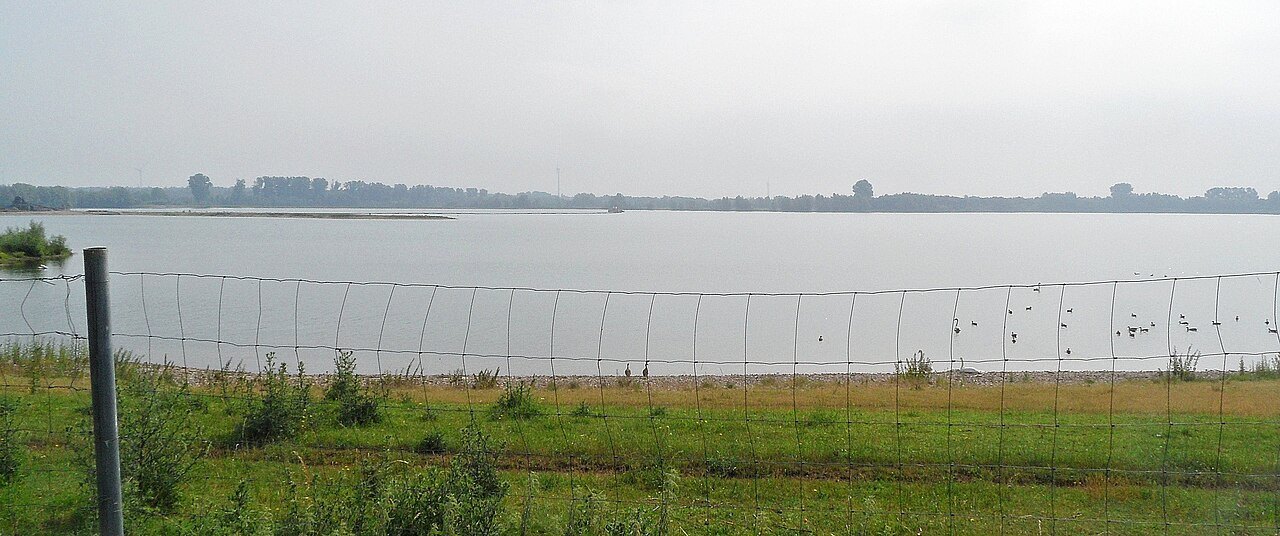
A route around a lake landscape is neither a continuous shoreline path nor general permission to swim.
Outdoors
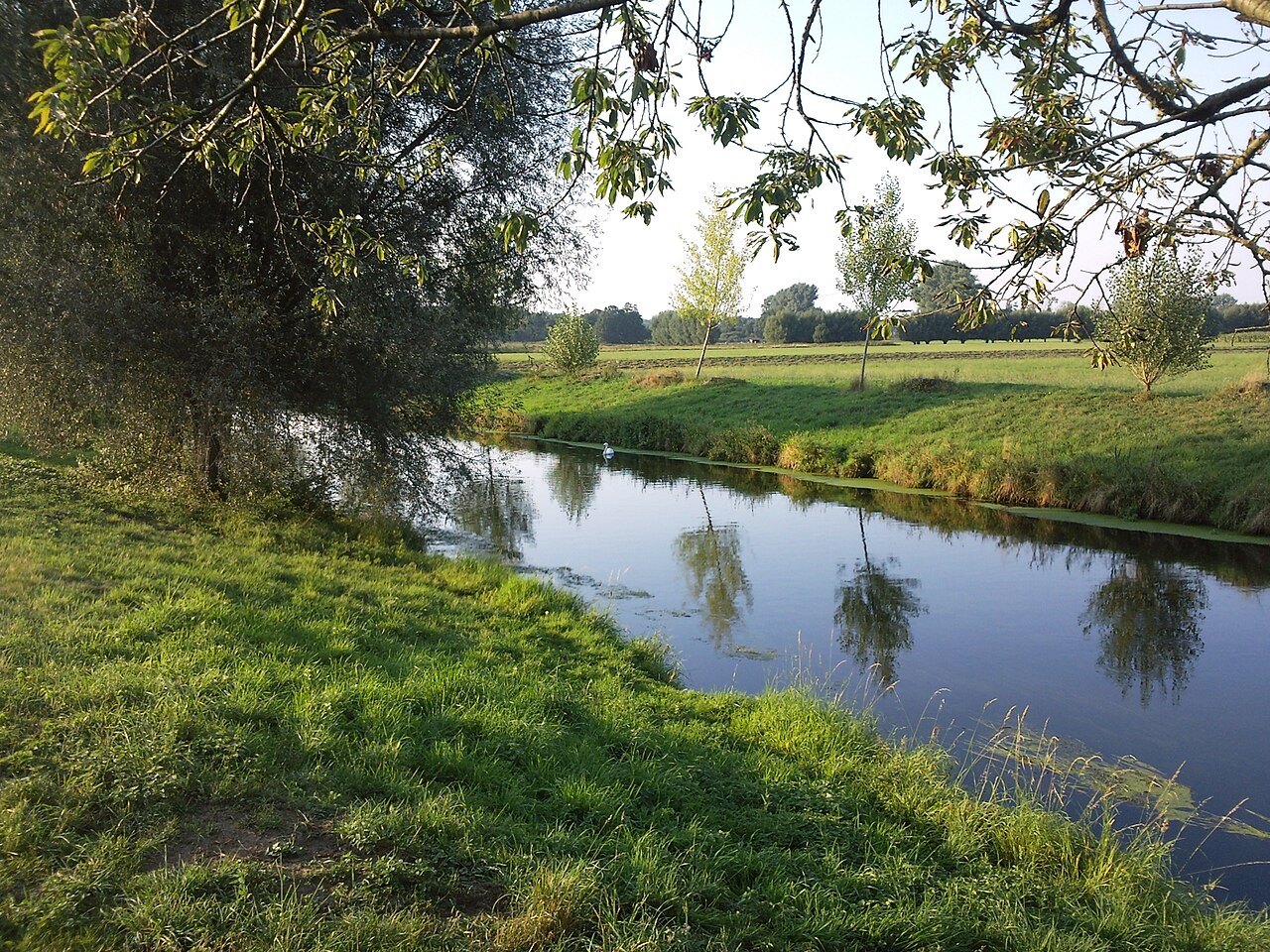
The Niers offers opportunities to compare channel, banks and land use without travelling its entire length.
Outdoors
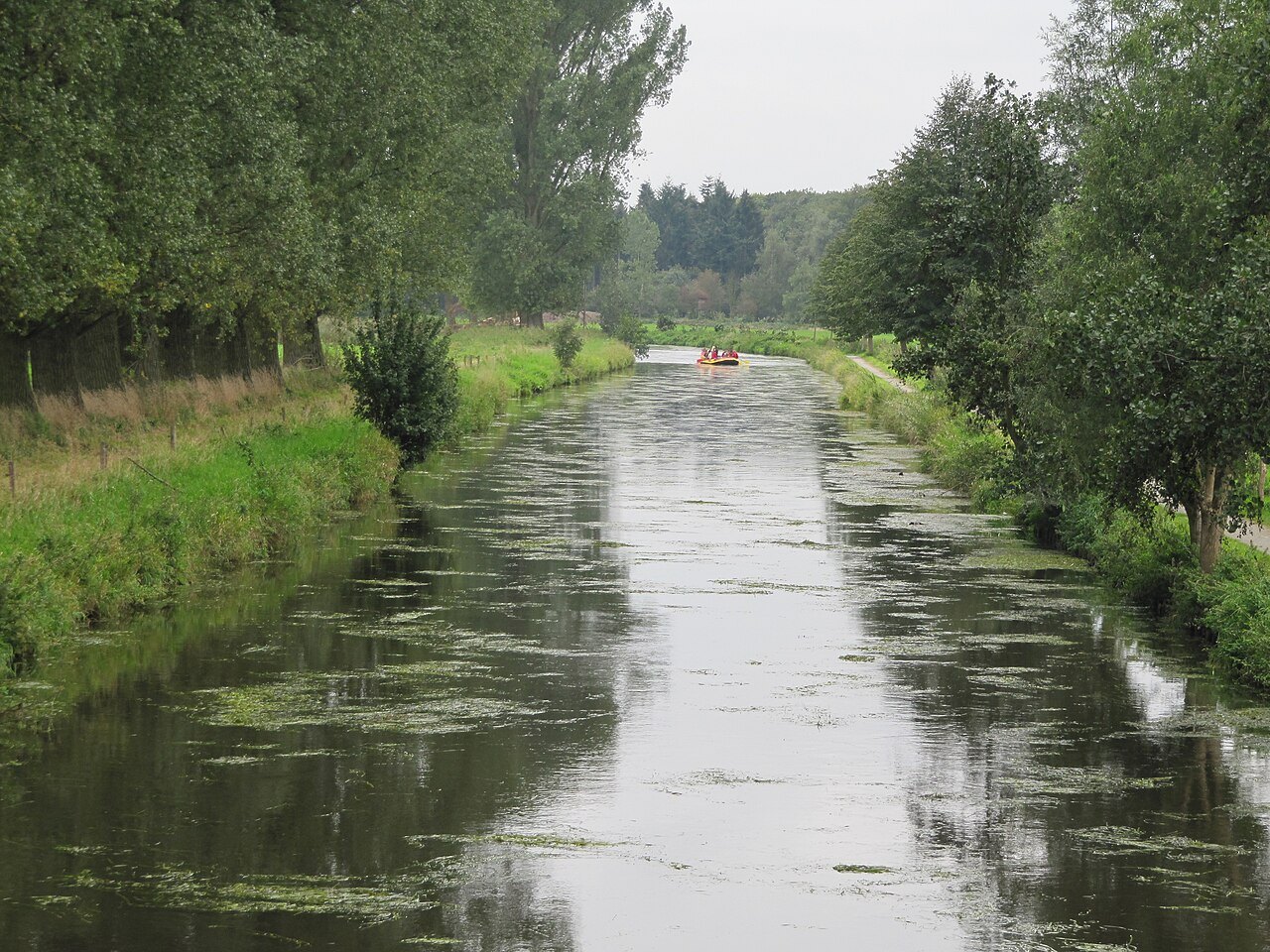
Combine the village and the Niers by distinguishing waterside paths from the crossings needed to join them.
Outdoors
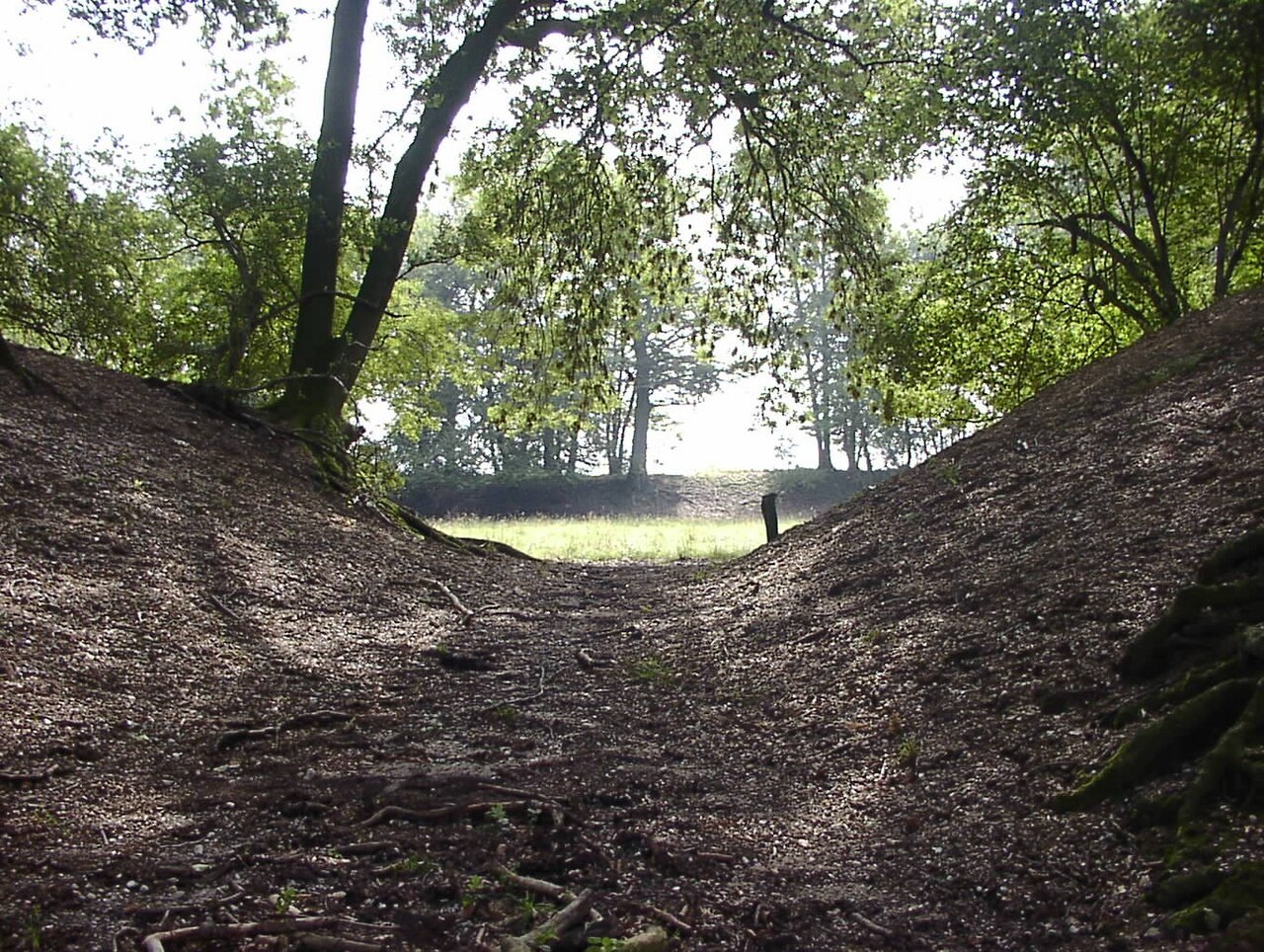
At Fossa Eugeniana, a historical map and a present-day path work together; not every ditch explains its own history.
Outdoors
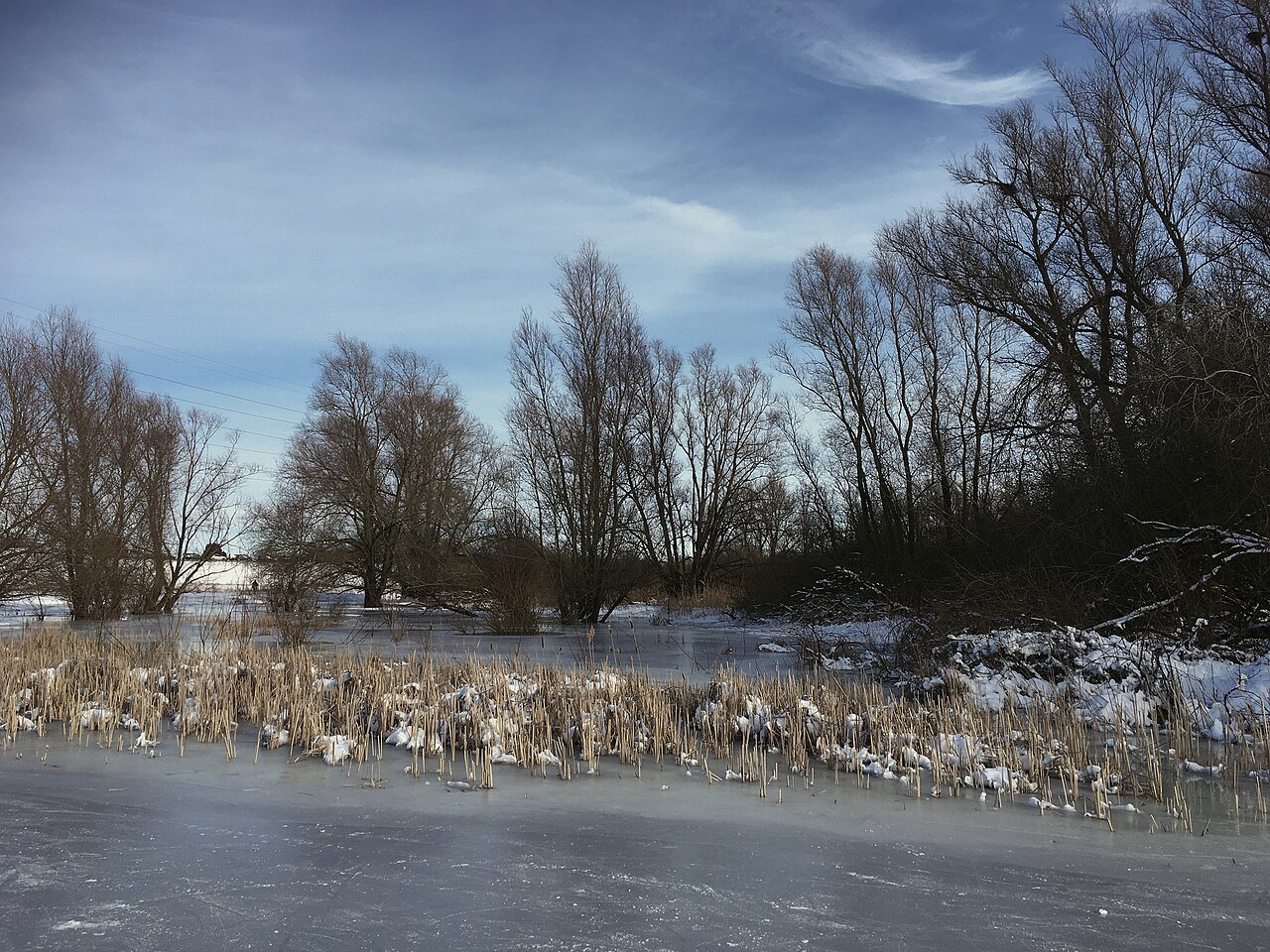
The name covers a wider river landscape; a day visit needs a specific area and entrance.
Outdoors
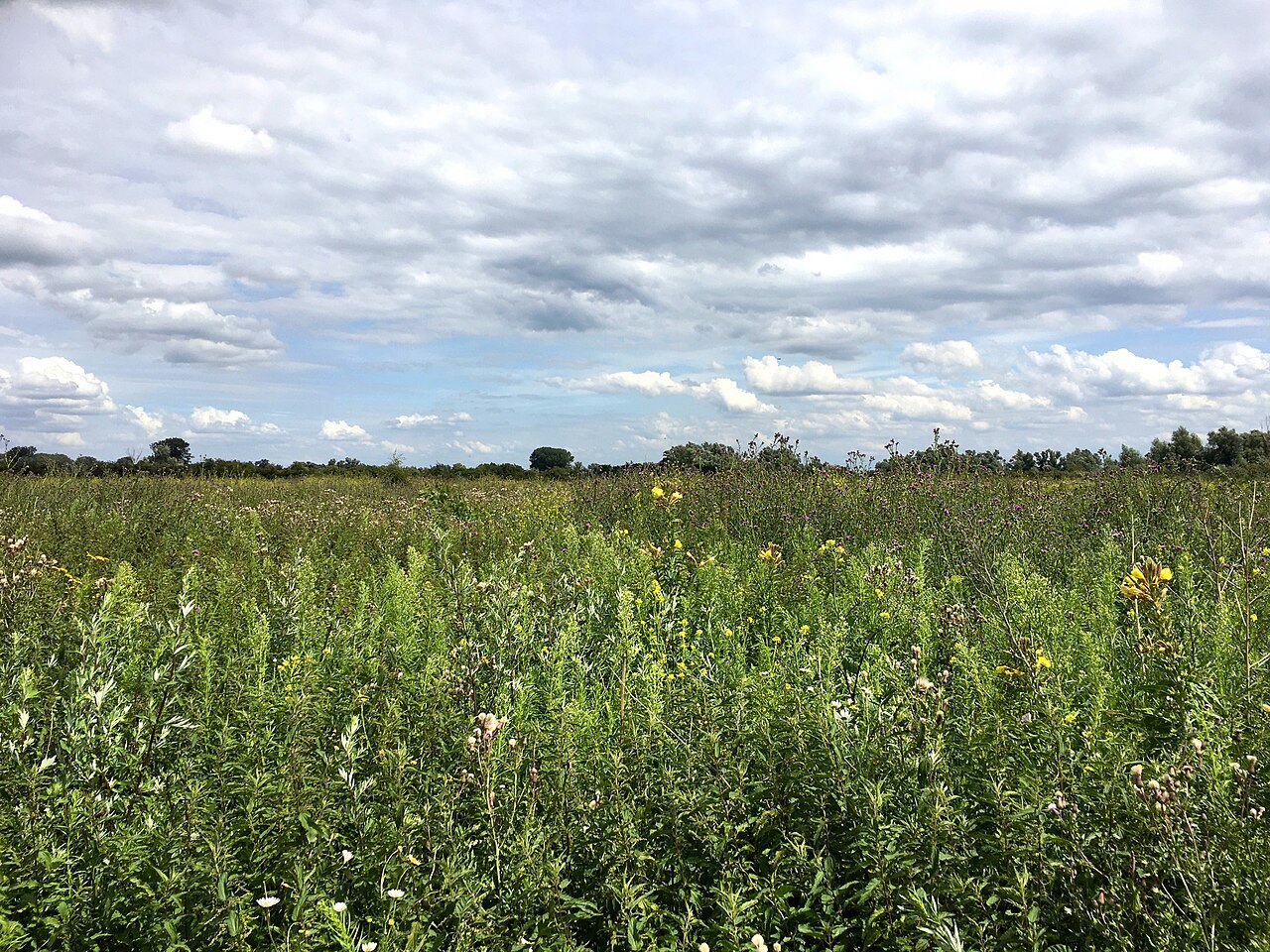
In the Ooijpolder, paths, hedges, water and farmland belong together; a permitted connection matters more than a straight line.
Outdoors
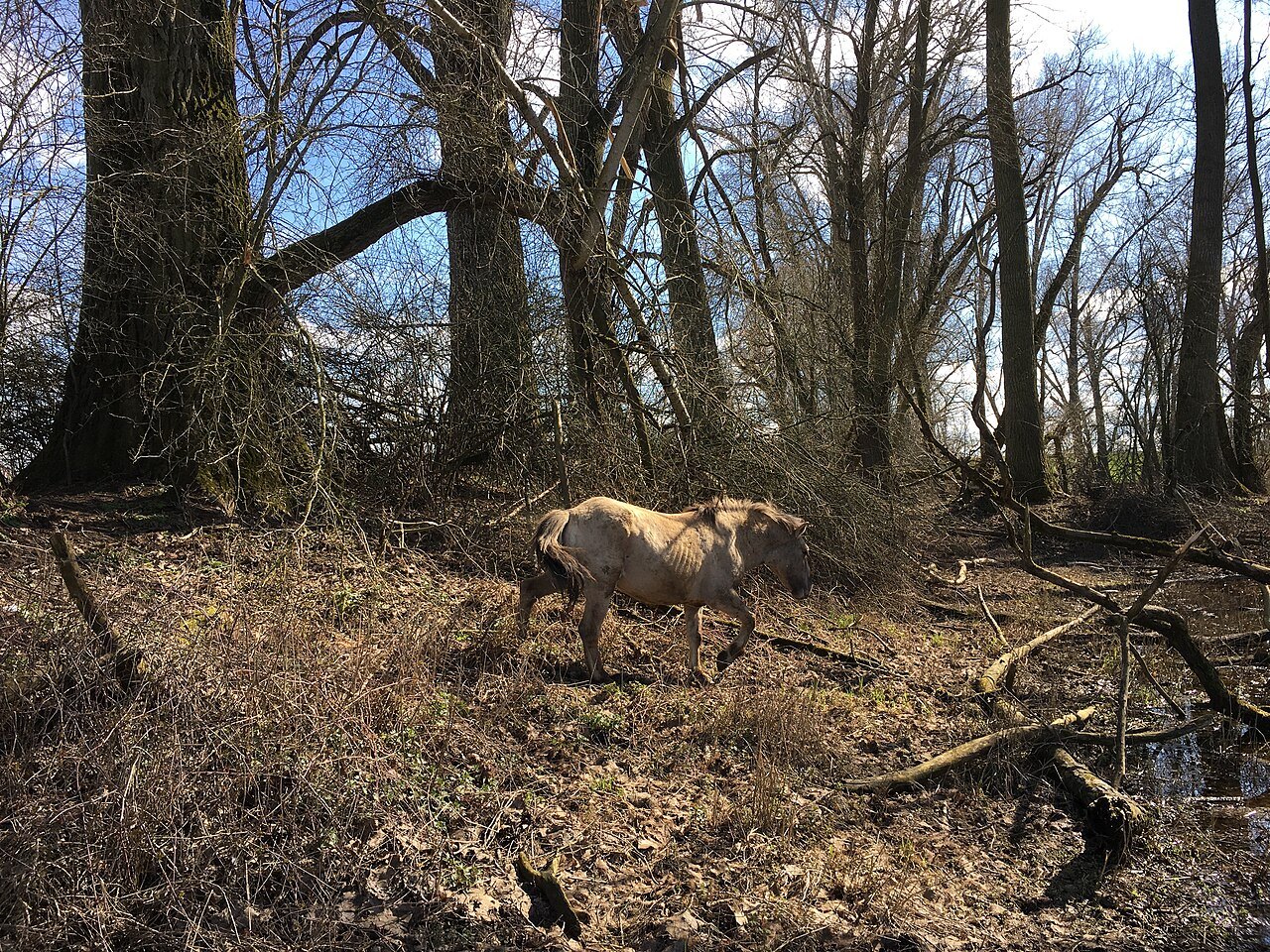
In Millingerwaard, the river changes where walking is possible; freedom to explore still requires attention to water and grazing animals.
Outdoors
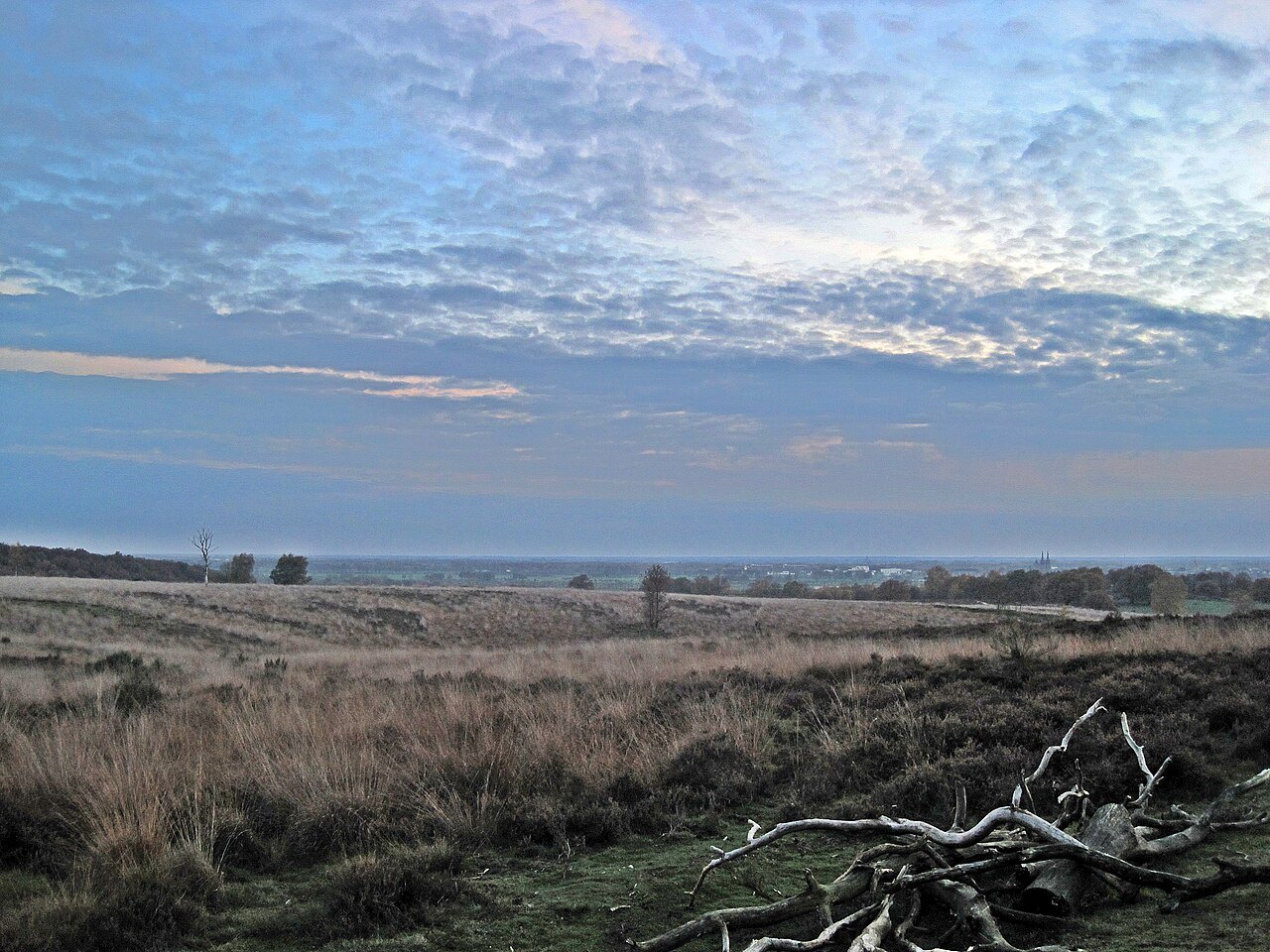
Heath, woodland and slopes alternate; flowering is one possible impression, not a requirement for a worthwhile walk.
Outdoors
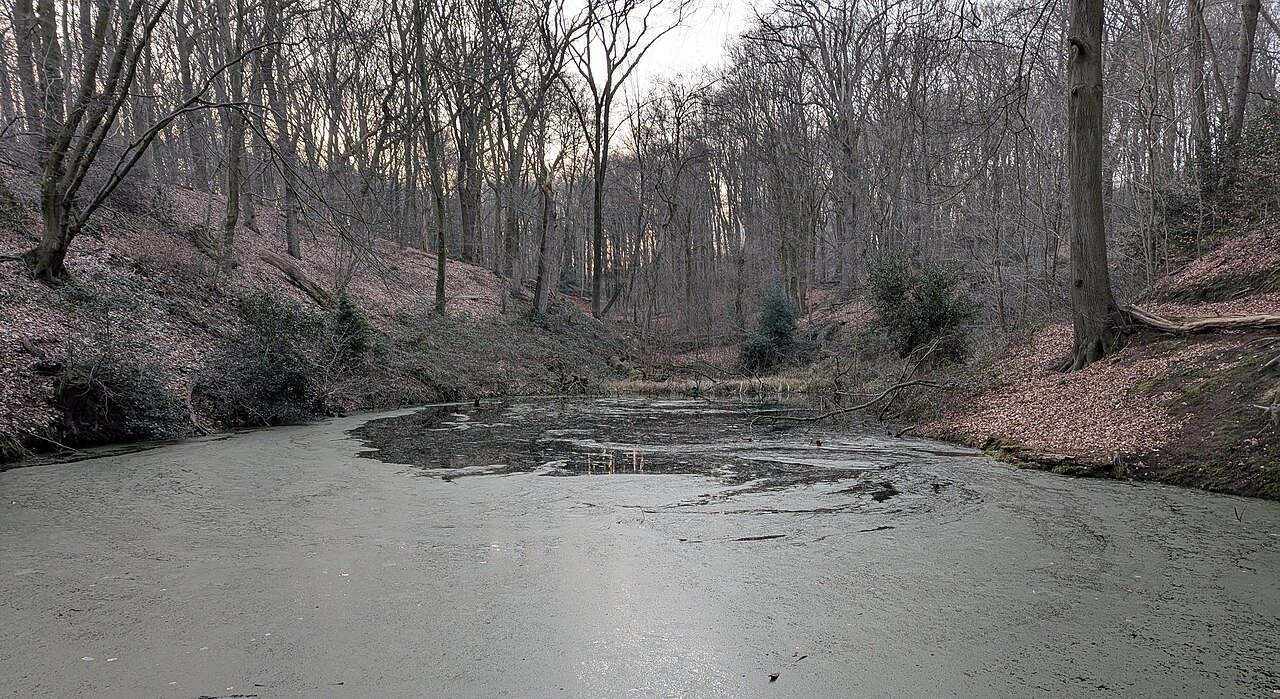
Wooded slopes, water and historical traces meet on Sint-Jansberg; short distances reveal little about the effort required.
Outdoors
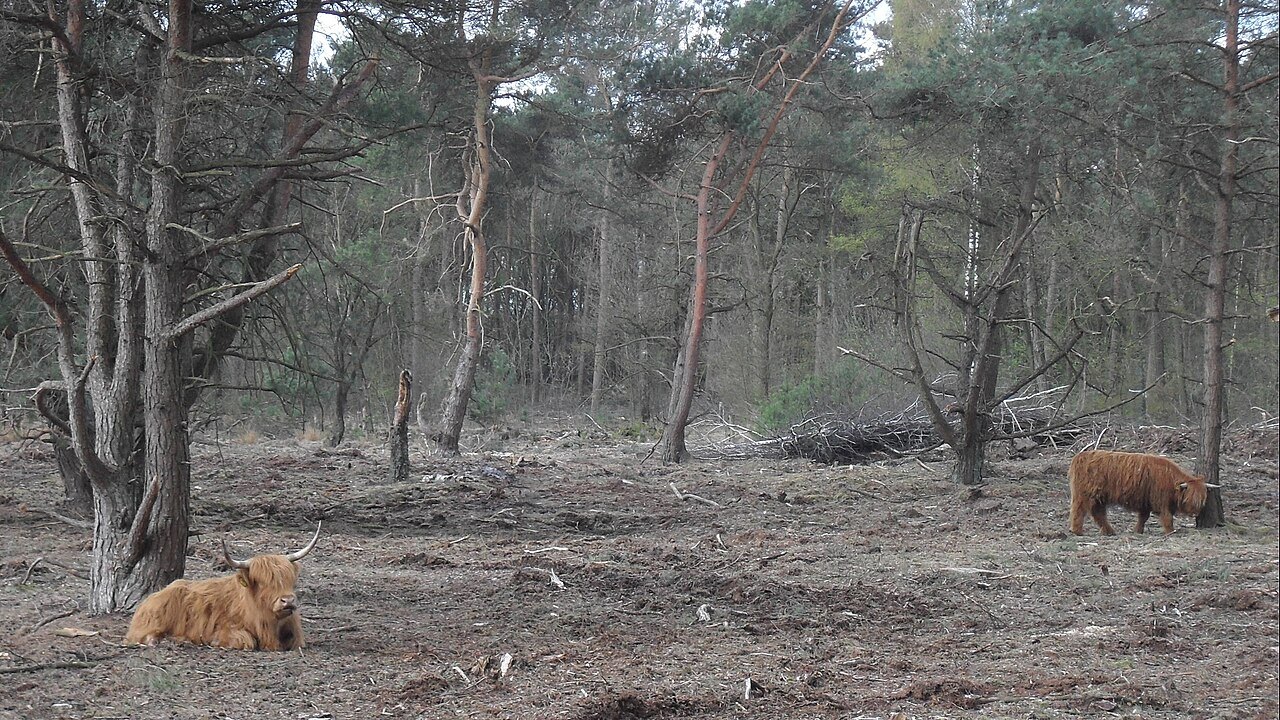
The national park is an extended landscape; choosing one suitable area is more useful than collecting distant destinations.
Outdoors
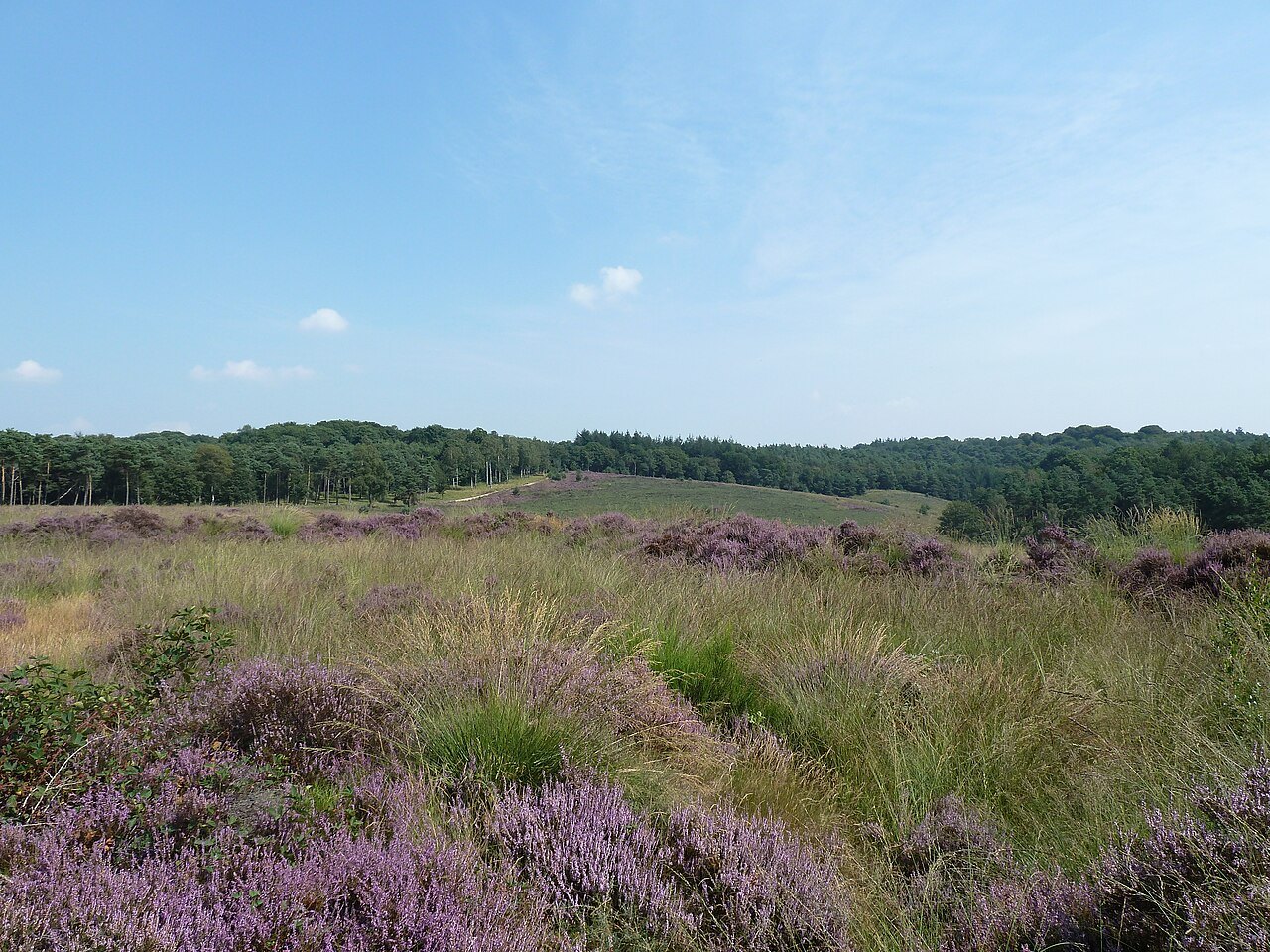
An earthwork is first a shape in the ground; its history becomes clearer when location and visible structure are considered together.
Outdoors
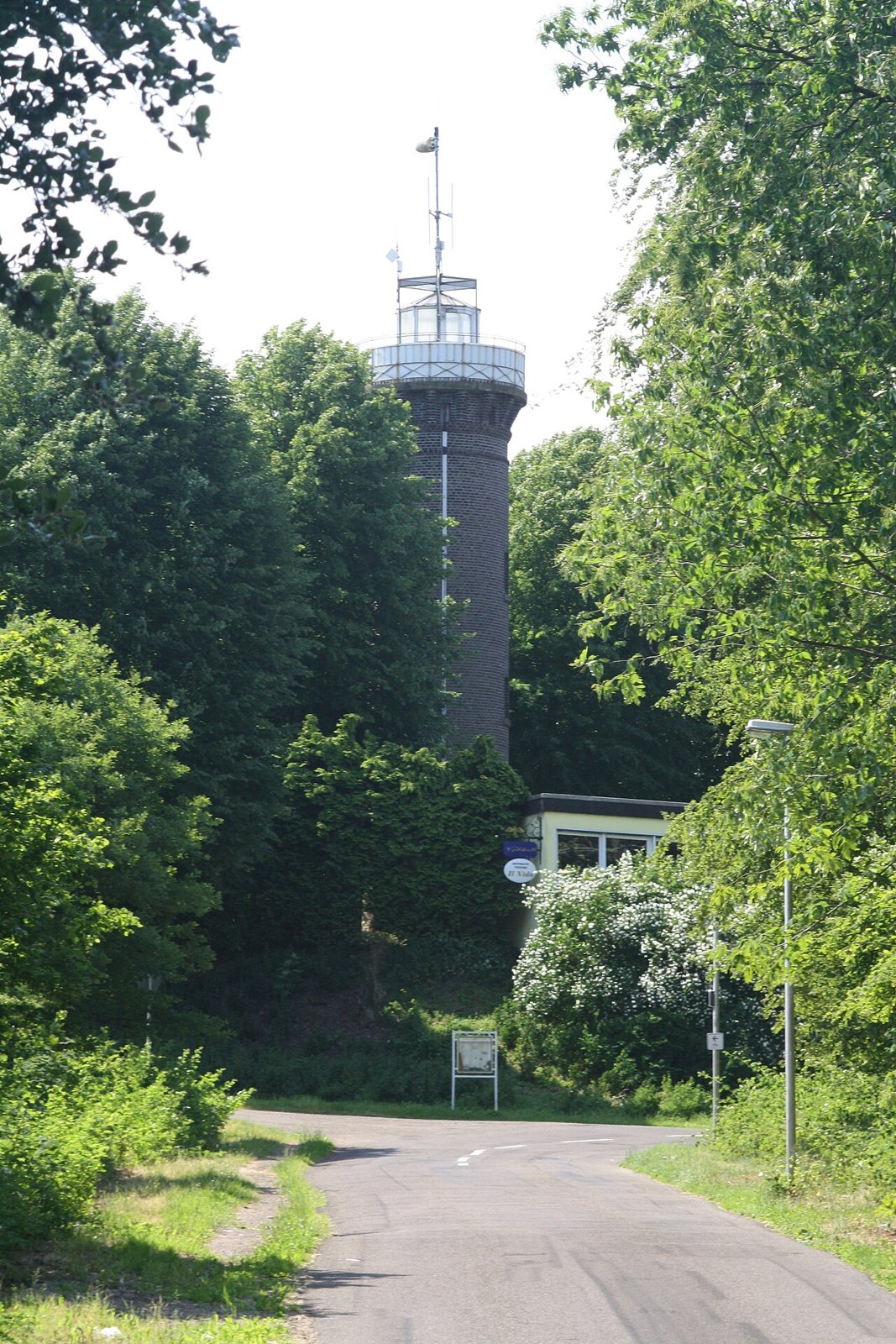
At Klever Berg, the climb and a possible tower visit matter more than the straight-line distance.
Outdoors
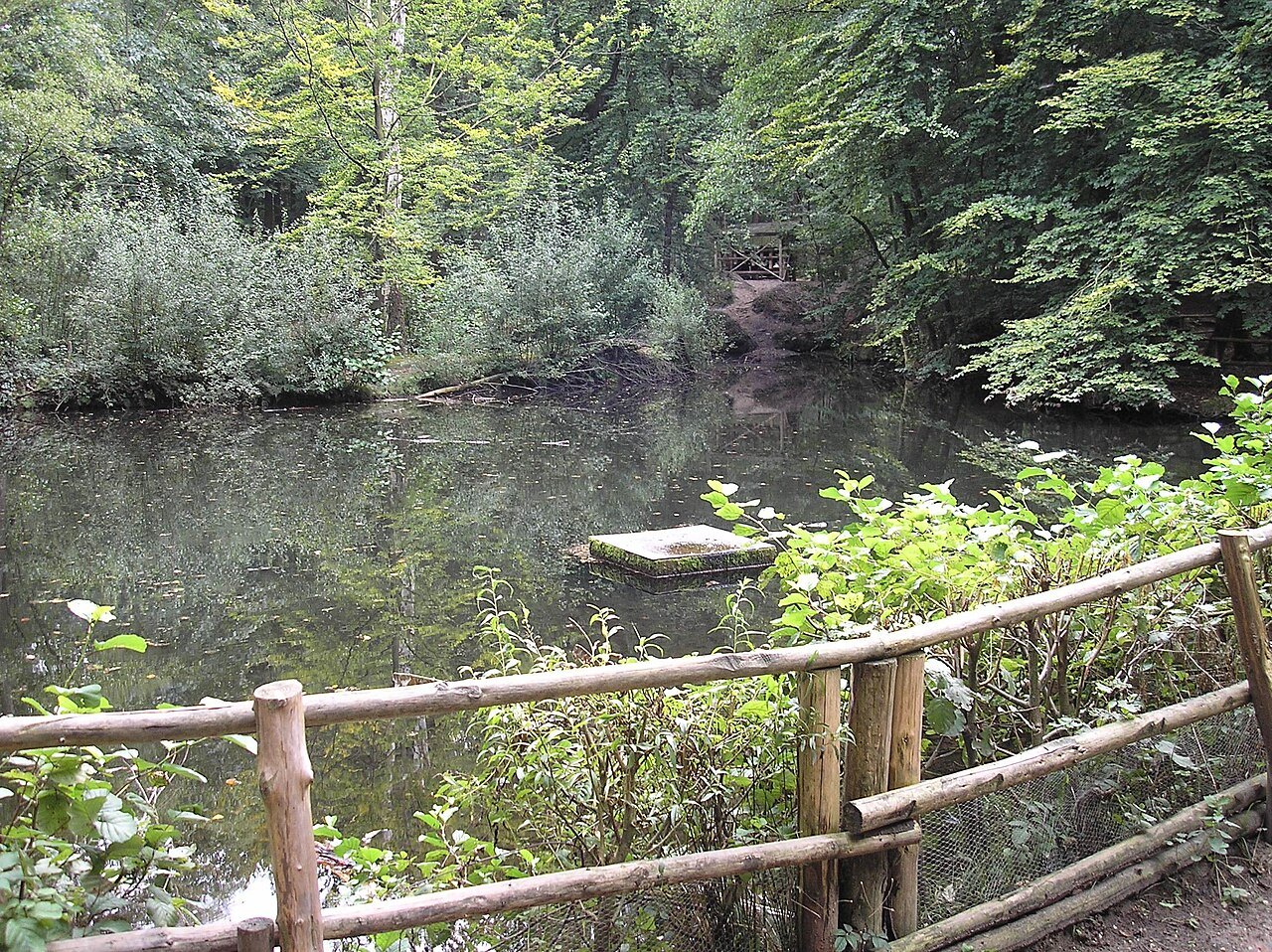
A small waterside place at the woodland edge can make a quiet beginning, provided the walk does not expand without a plan.
Outdoors
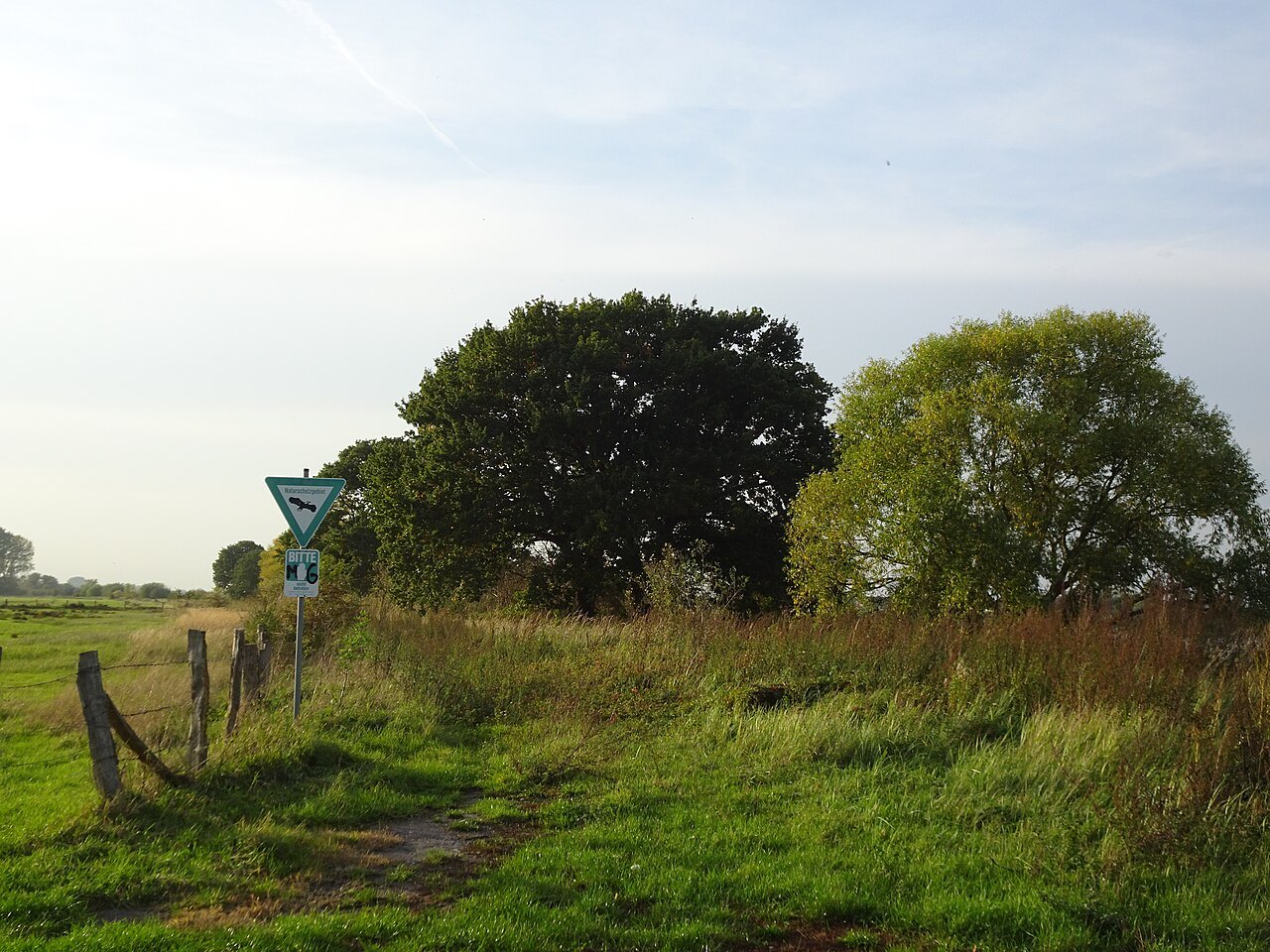
A dyke walk becomes easier to understand when the river channel, floodable land and disconnected former floodplain are distinguished.
By bicycle
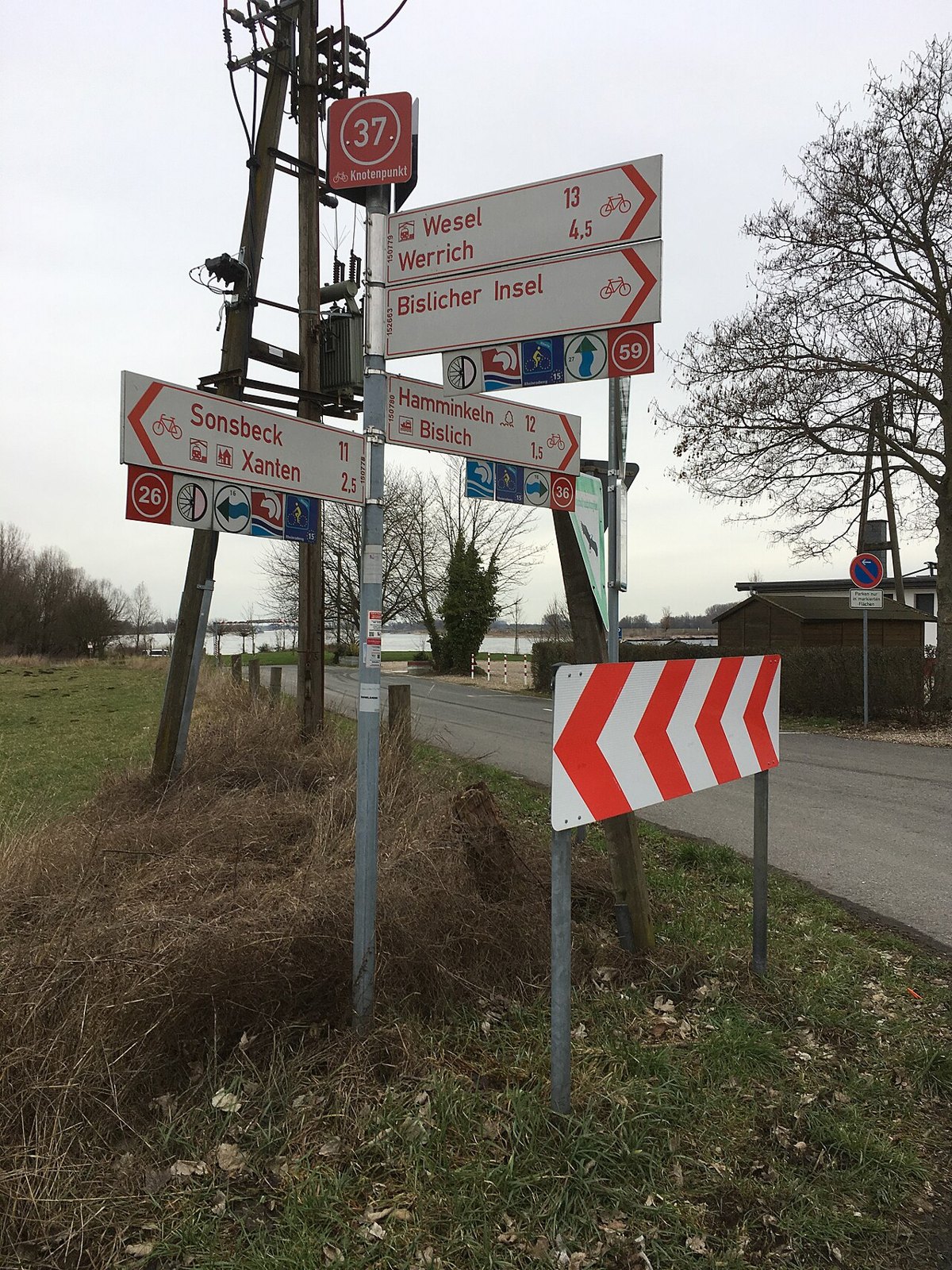
Numbered junctions simplify the sequence of turns, but do not replace distance checks, surface information or a return plan.
By bicycle
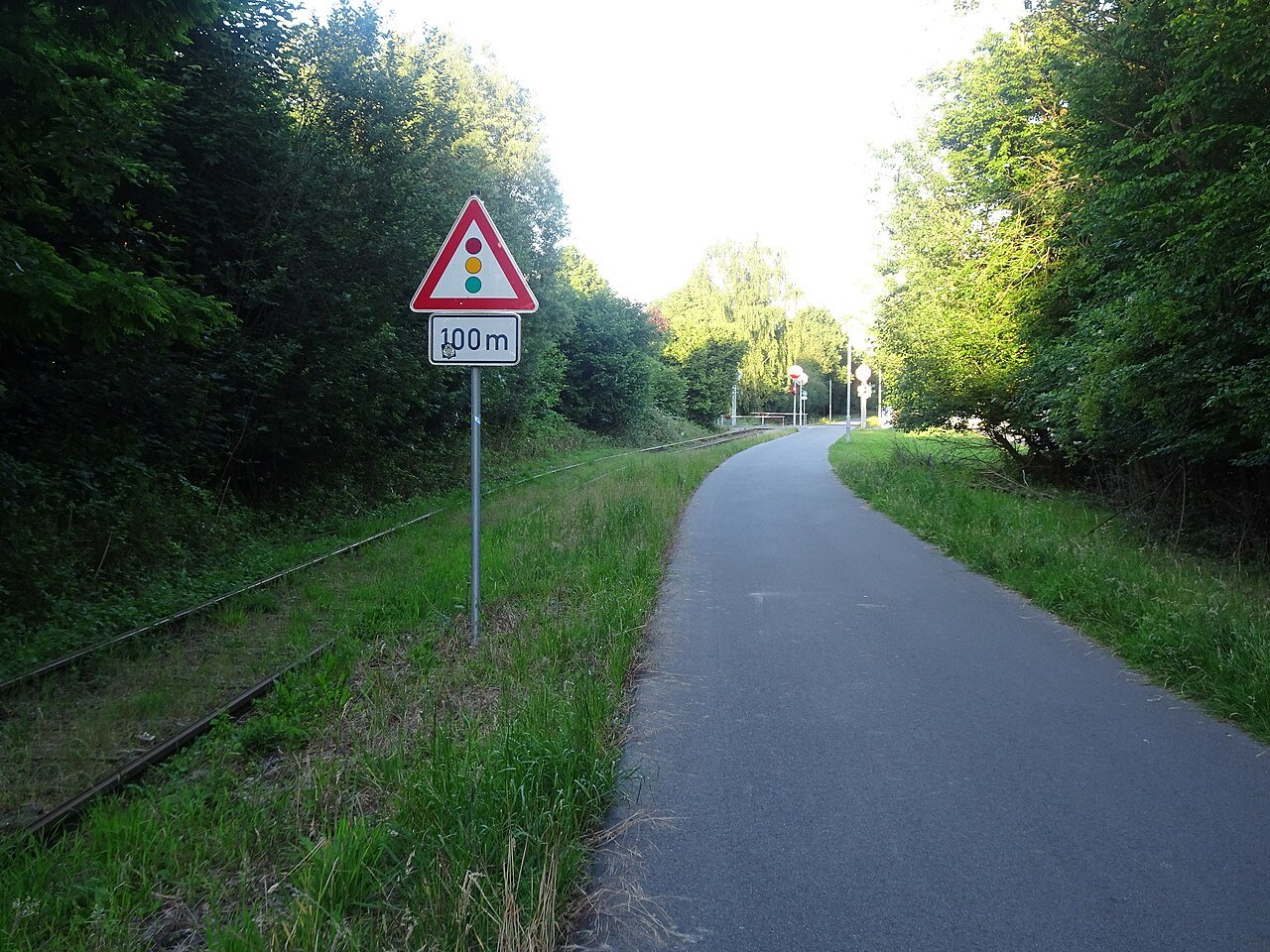
The RadBahn can provide a clear main section, while the start, destination and onward journey still need separate planning.
By bicycle
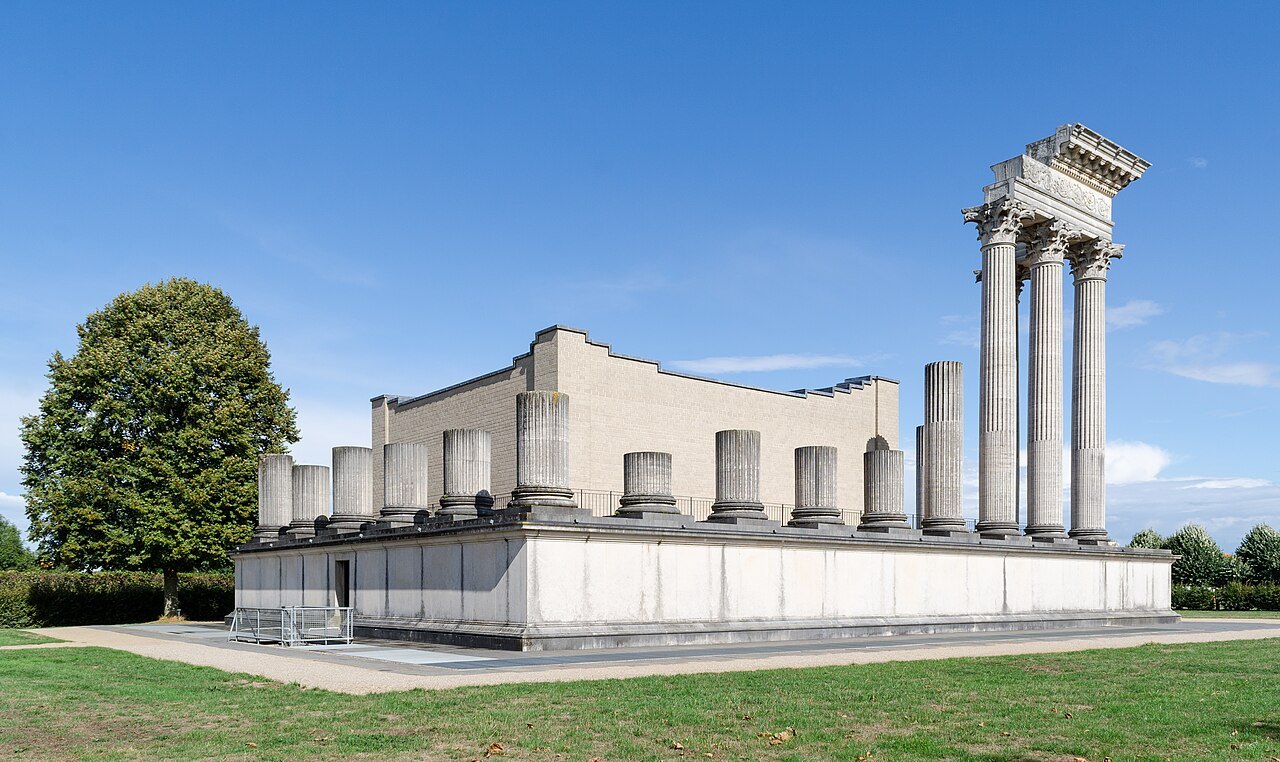
Roman history becomes clearer on a short stage when one chosen stop receives enough time.
By bicycle
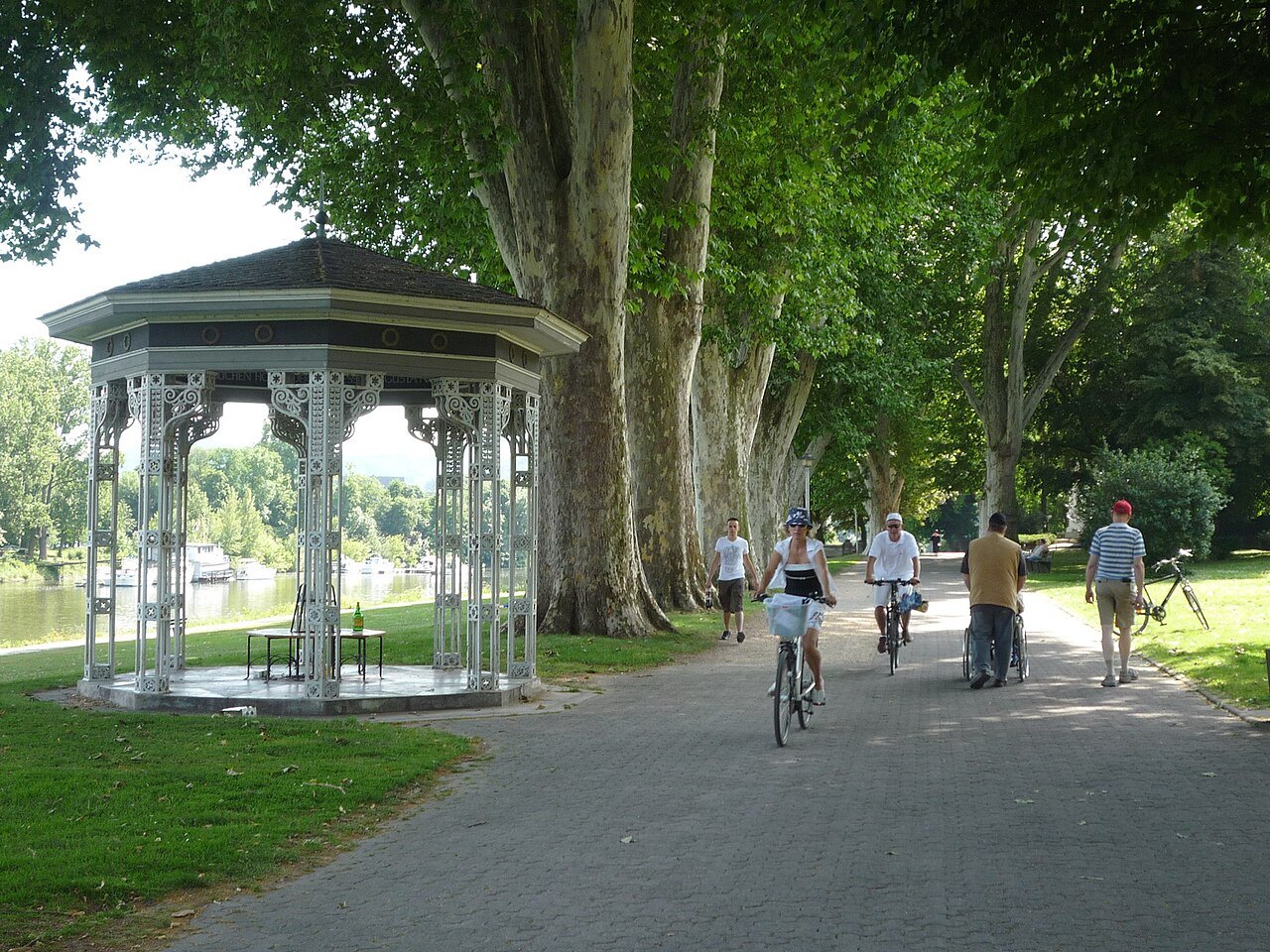
On the Lower Rhine, the chosen bank matters as much as distance; a stage needs a workable finish.
By bicycle
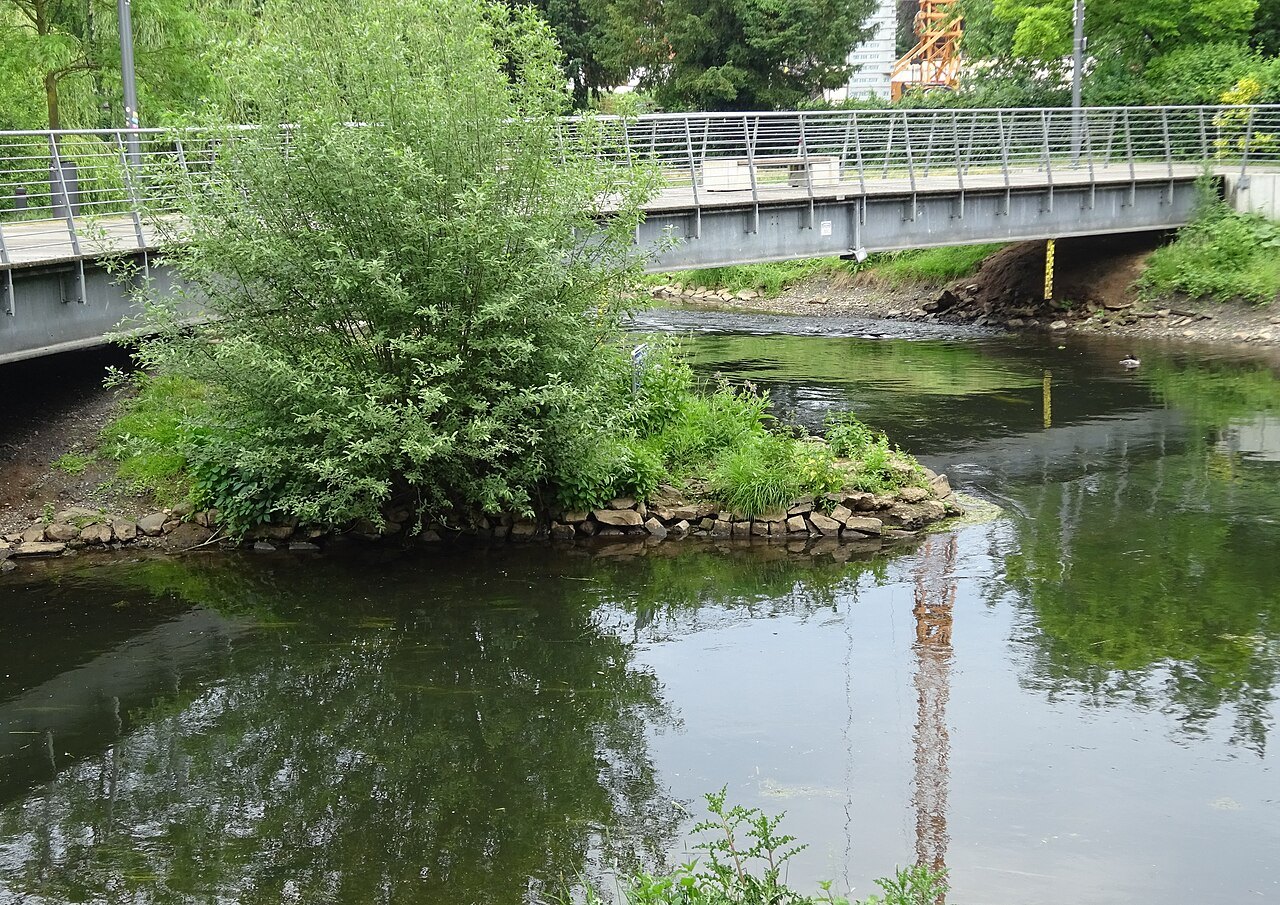
The Niers cycle route follows a river corridor; the water and rideable path do not have to remain side by side.
By bicycle
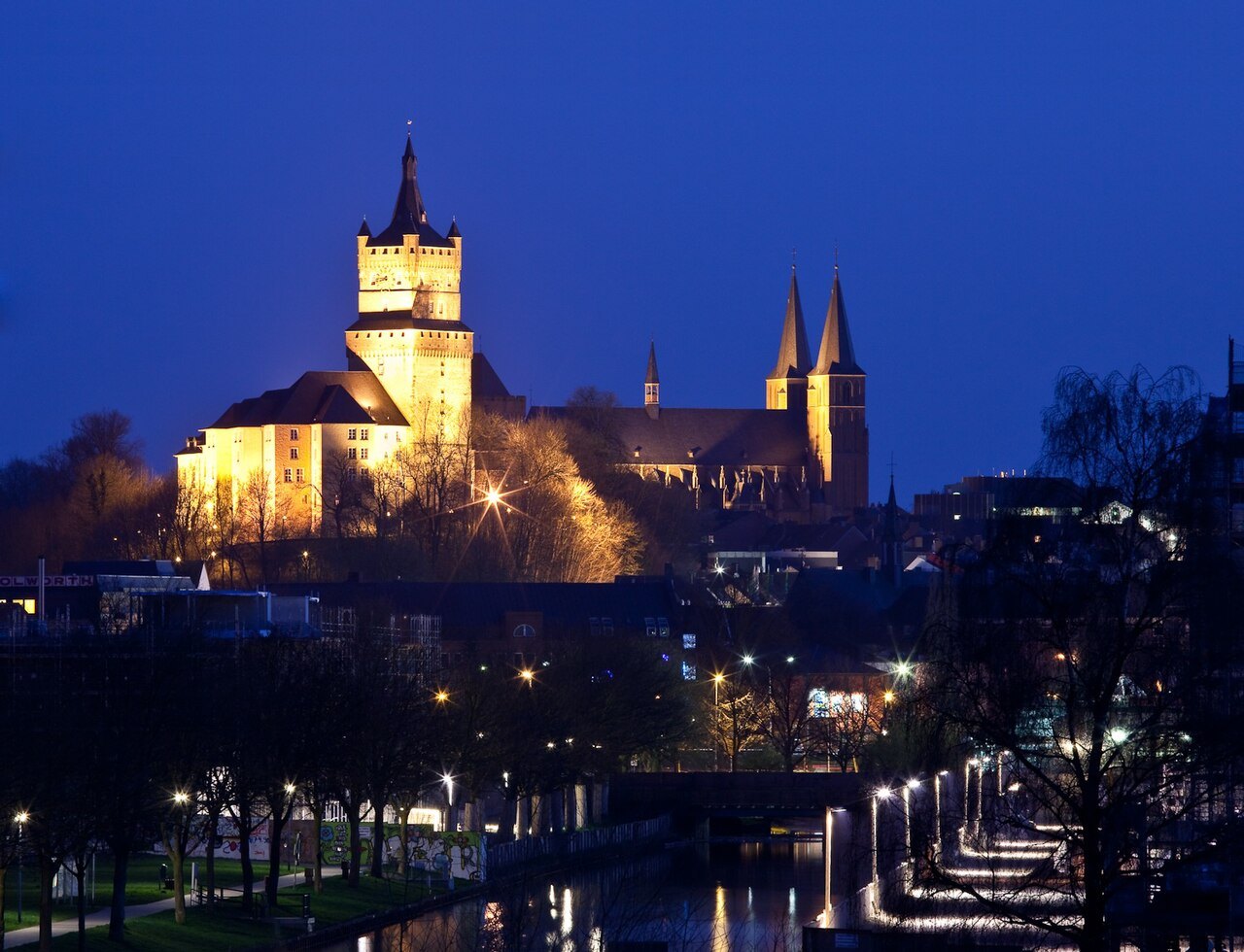
The Orange cycle route around Kleve is a specific cycling connection, distinct from the wider heritage route and similarly named routes elsewhere.
By bicycle
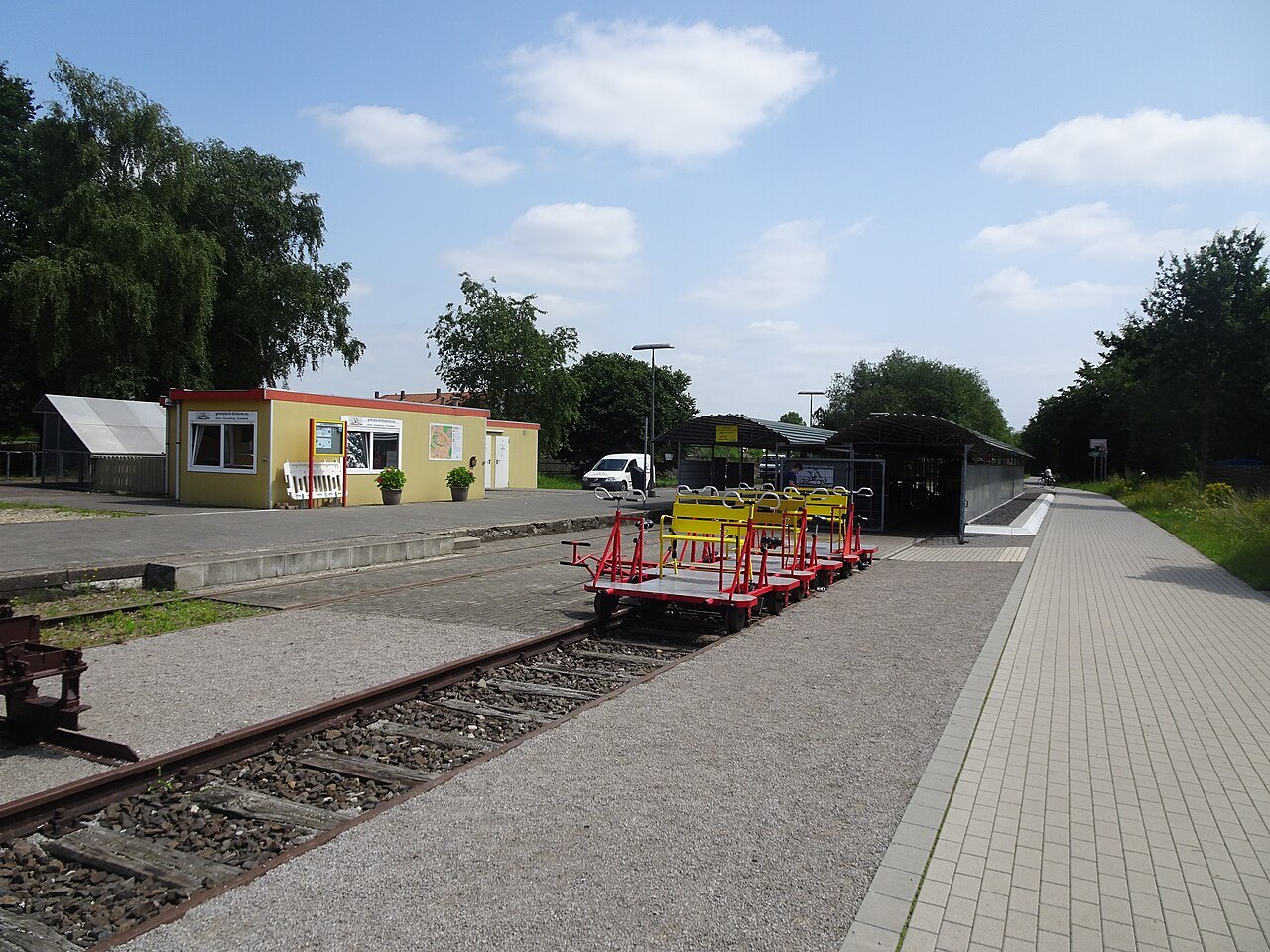
A railbike outing needs a booking, the correct meeting point and a shared schedule; it works differently from an improvised cycle ride.
By bicycle
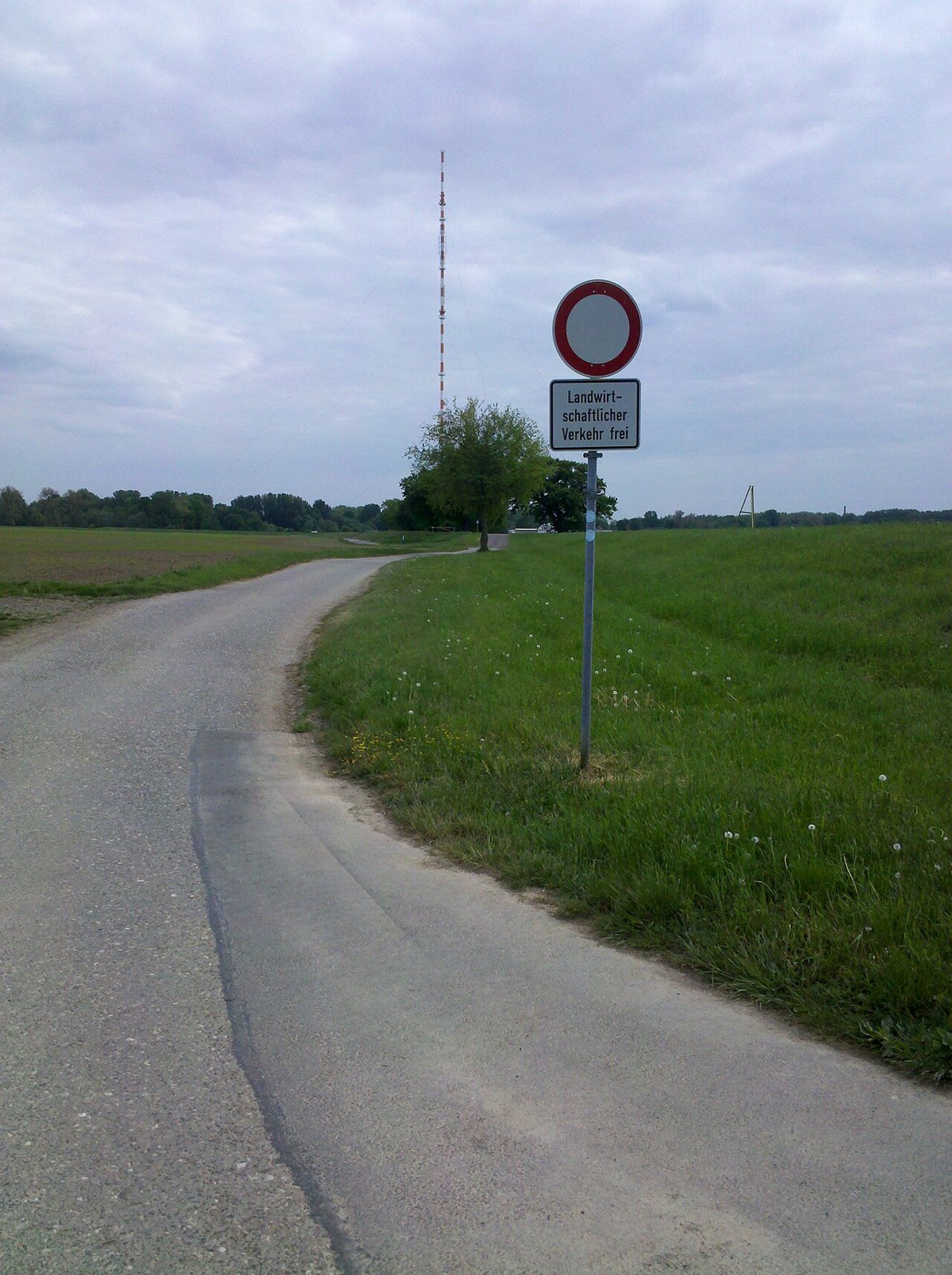
On exposed dyke paths, wind can matter more than gradients; establish the return and reserves early.
By bicycle
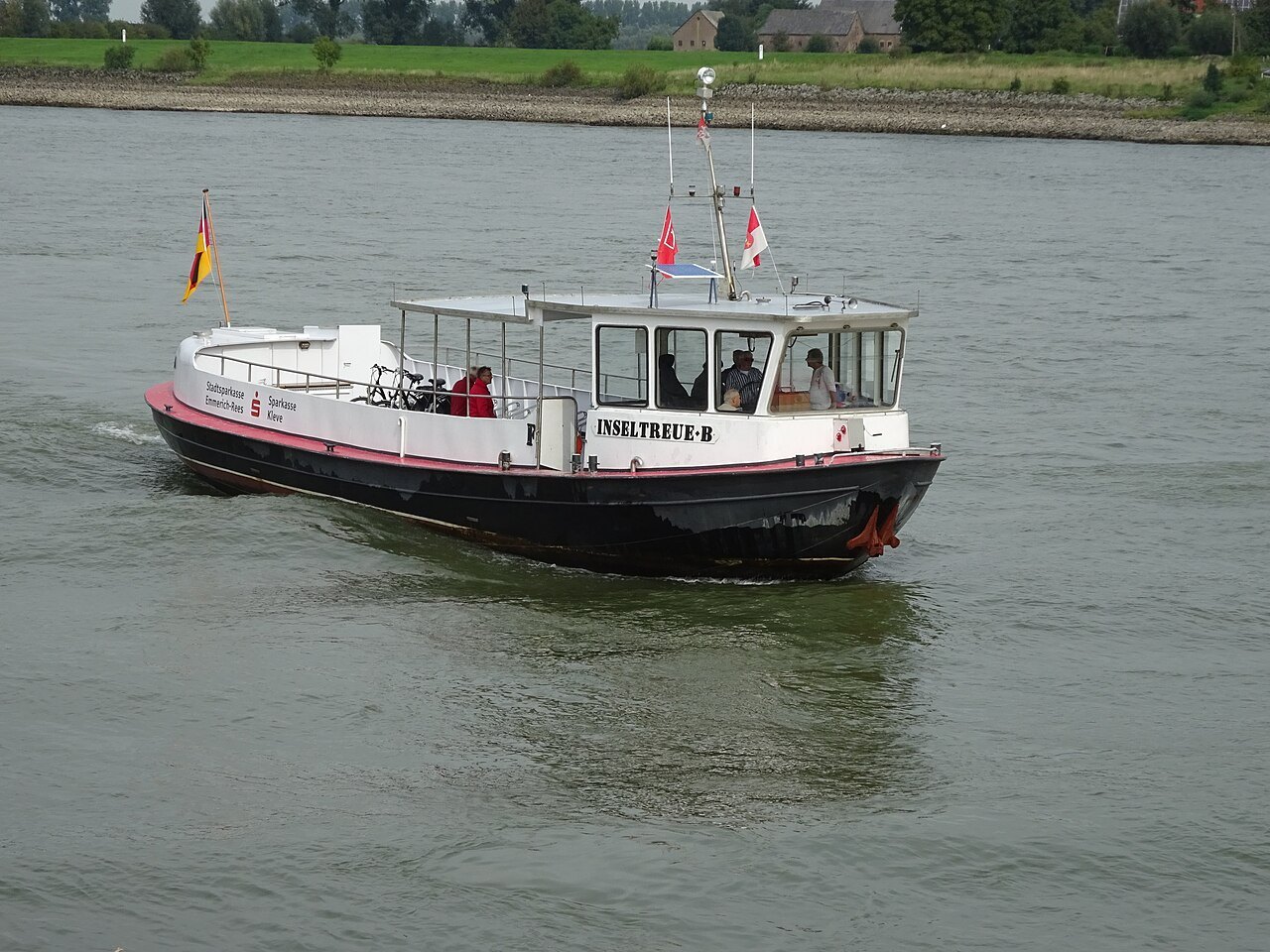
A ferry can join two banks into a circuit, but needs an independent alternative for cancellation or a missed sailing.
By bicycle
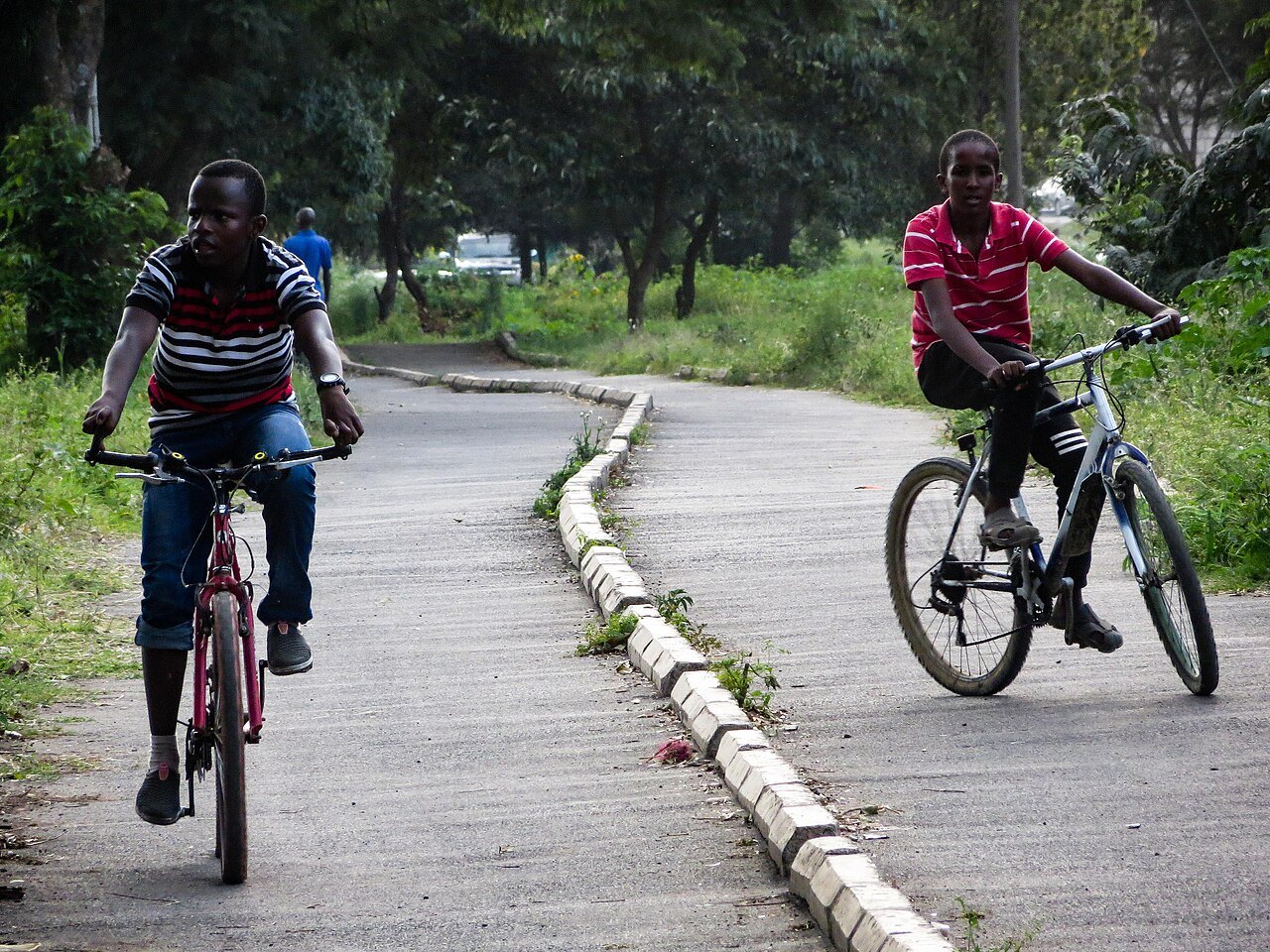
A family ride should match braking, steering, attention and stopping needs rather than a general age-based distance.
By bicycle
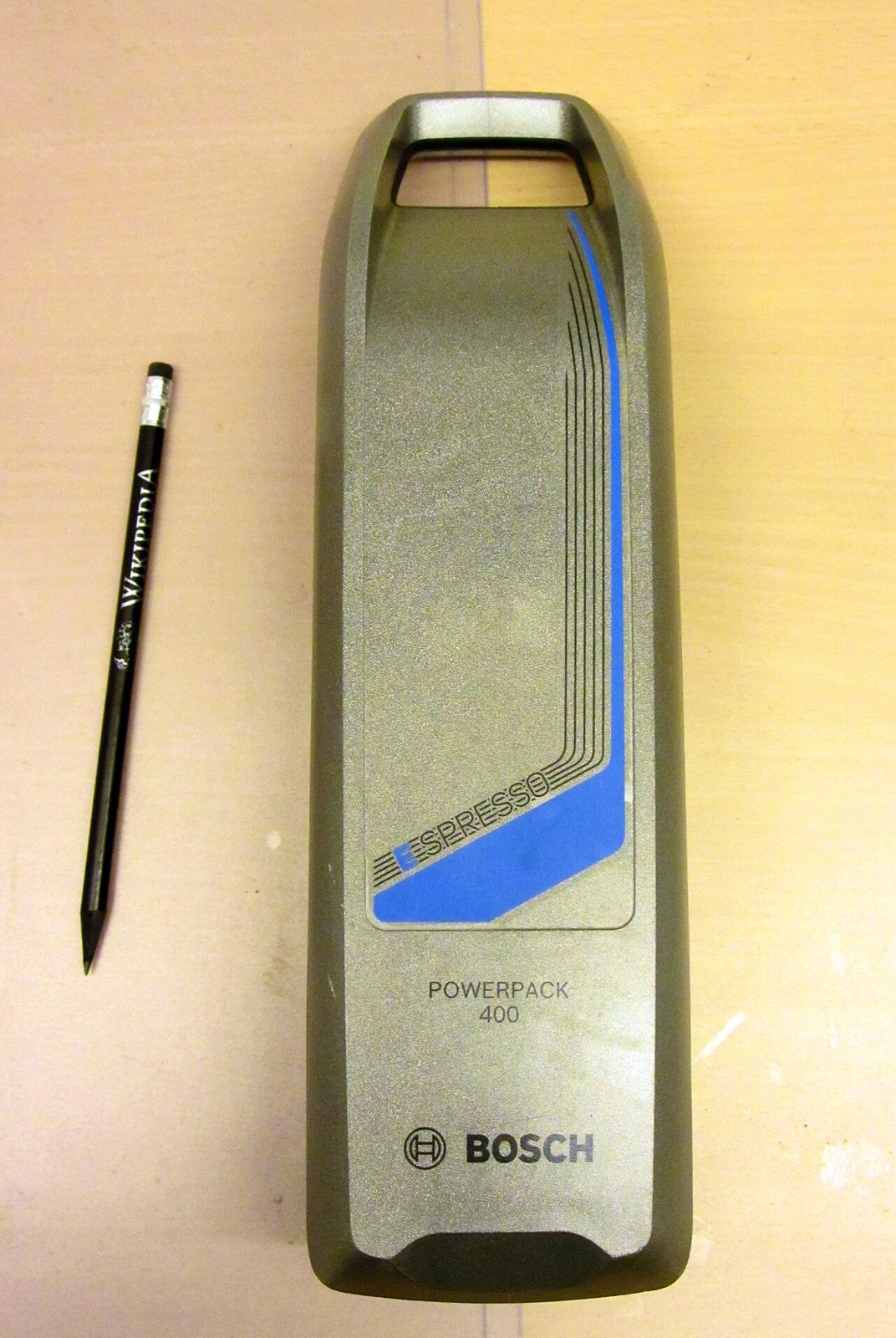
A range display is an estimate; plan around your own consumption, the return and a reserve independent of a promised socket.
By bicycle
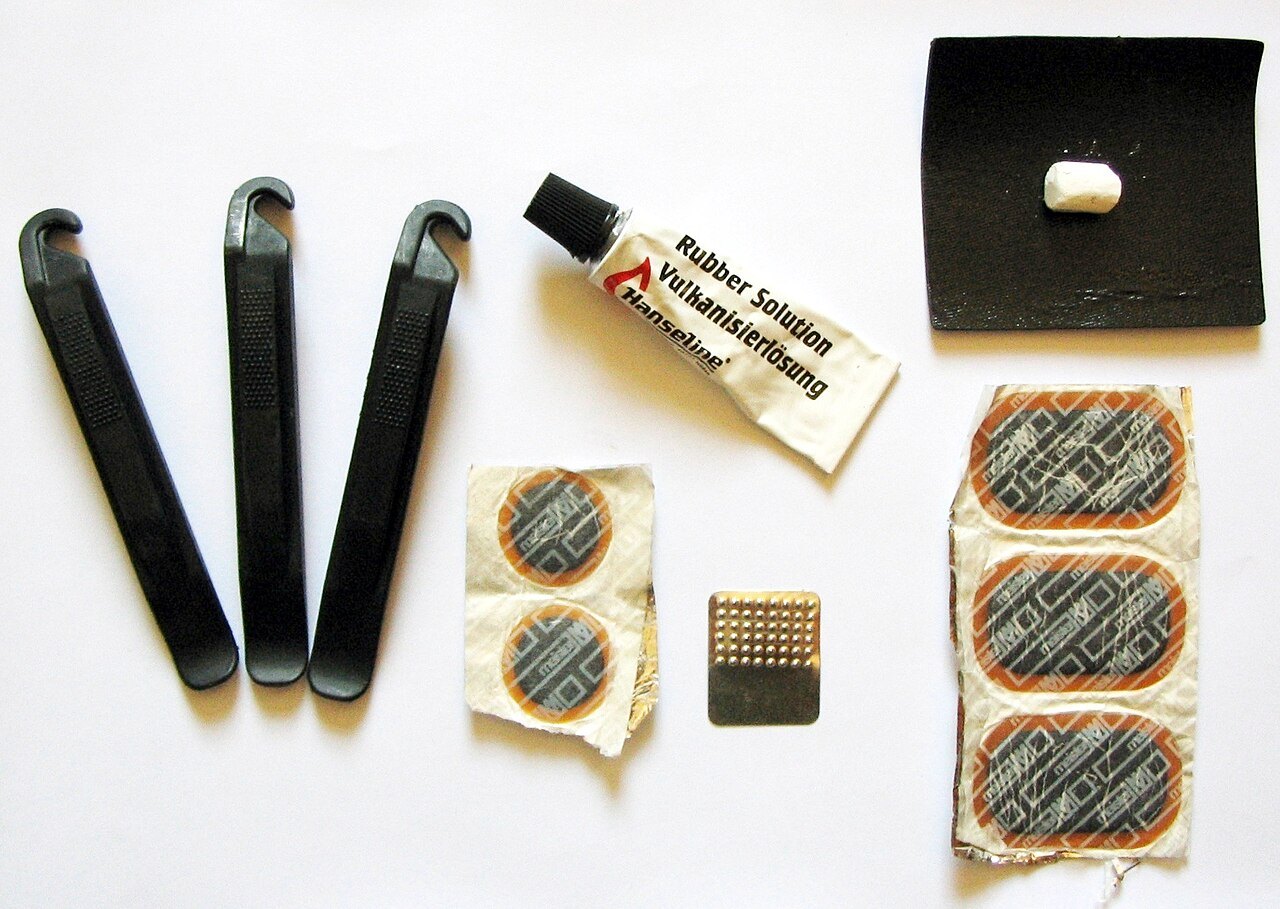
A puncture kit works only when it matches the tyre, valve and your skills; larger damage needs a recovery plan.
By bicycle
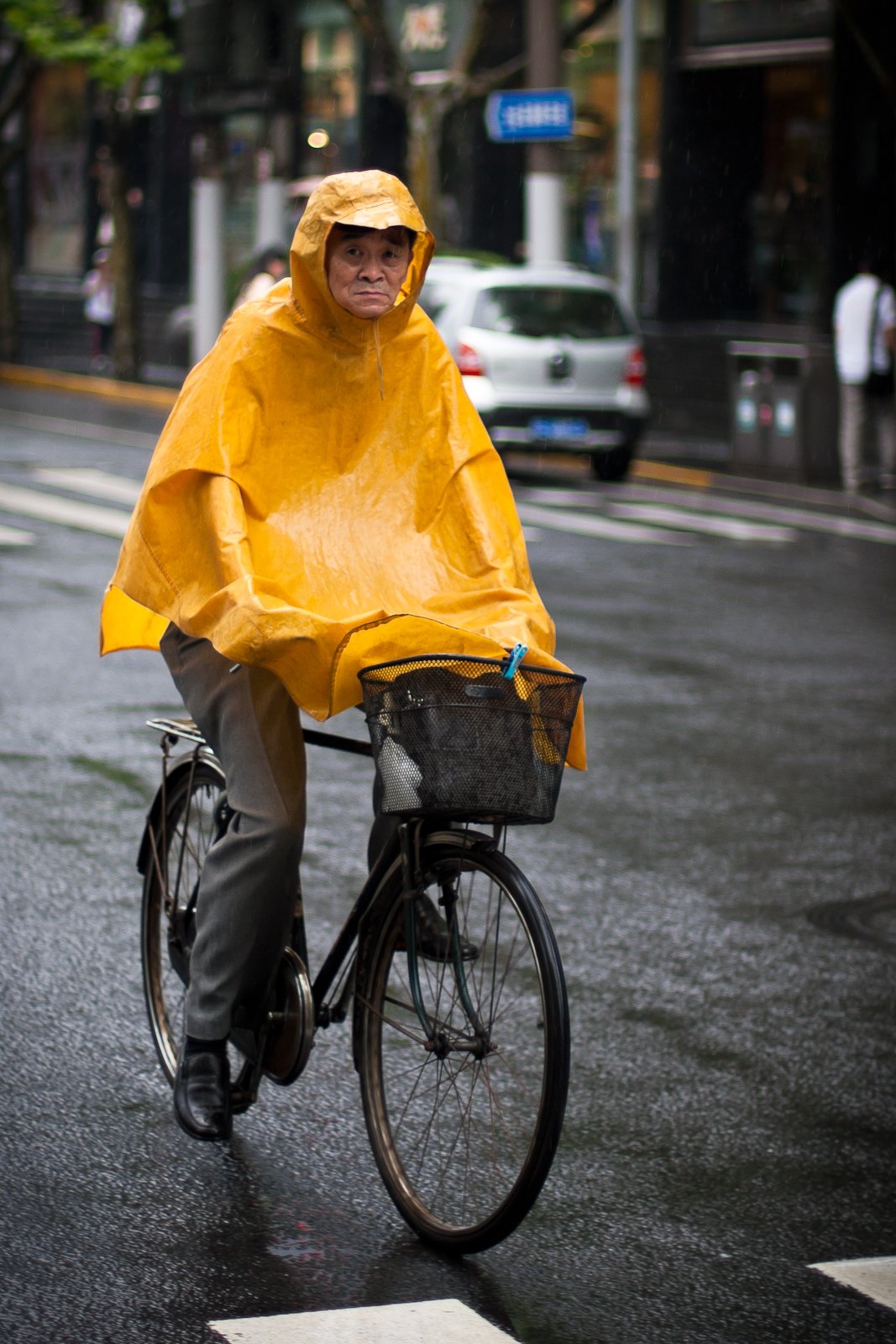
Rain protection should be accessible and allow movement; the route also needs a shorter weather option.
By bicycle
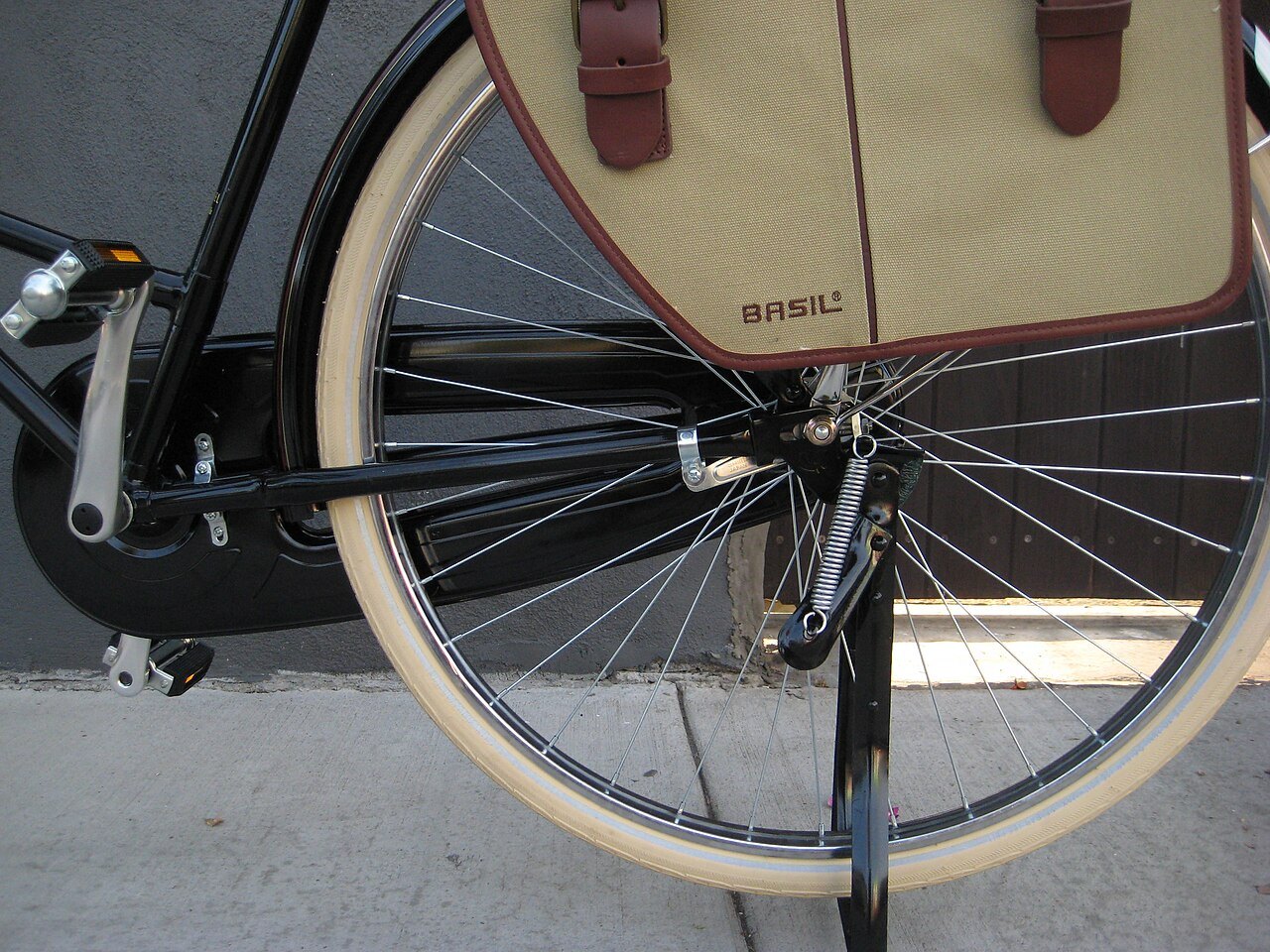
Free movement, secure attachment and accessible essentials matter more than the number of bags.
By bicycle
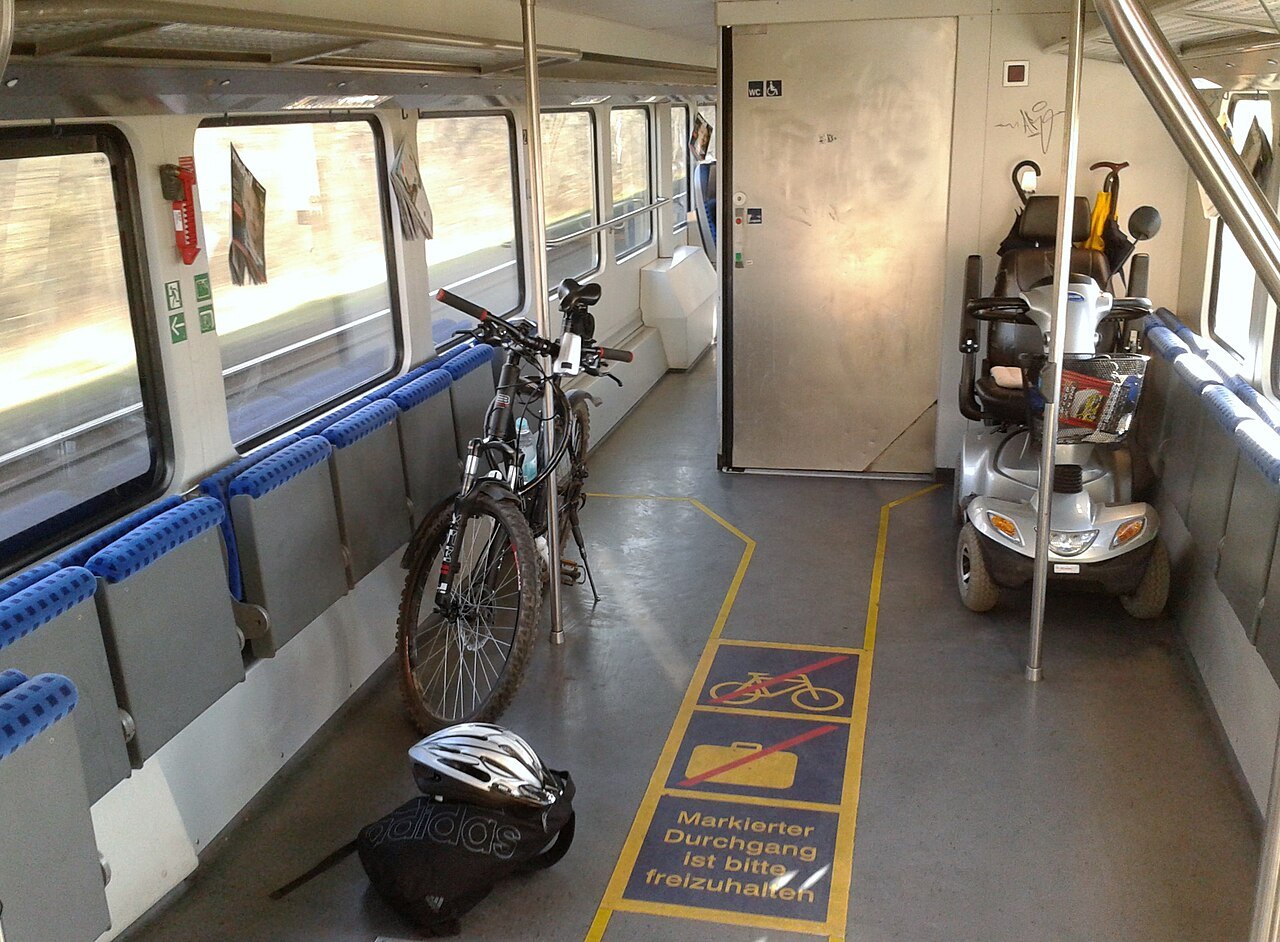
A workable rail connection includes bicycle rules, platform access and an alternative when spaces are full.
By bicycle
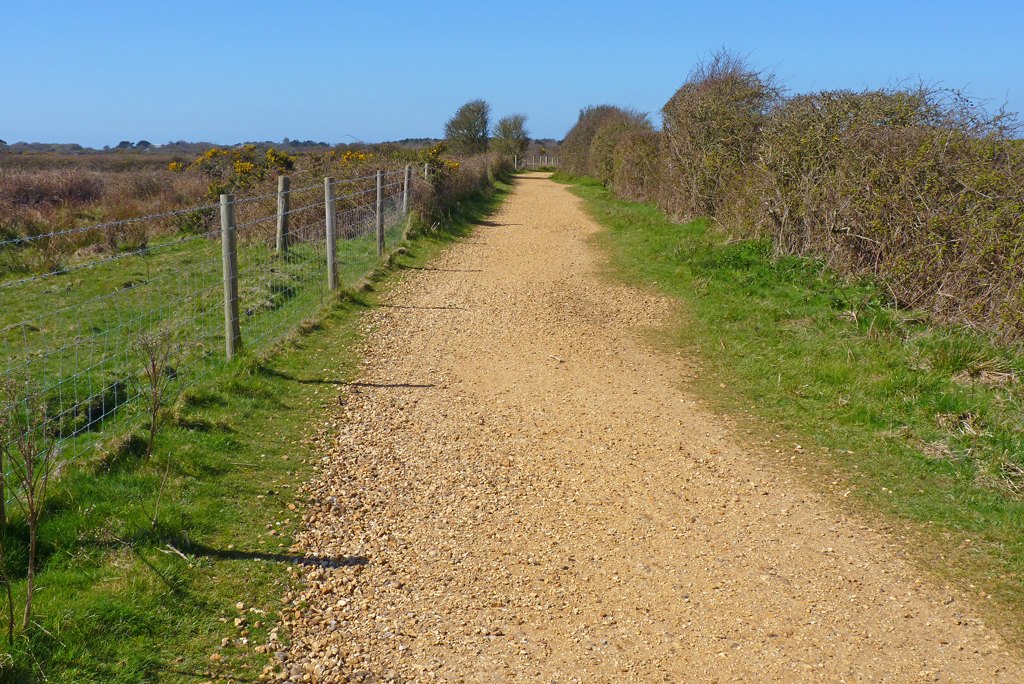
Path type and surface are different pieces of information; match both to tyres and riding ability.
By bicycle
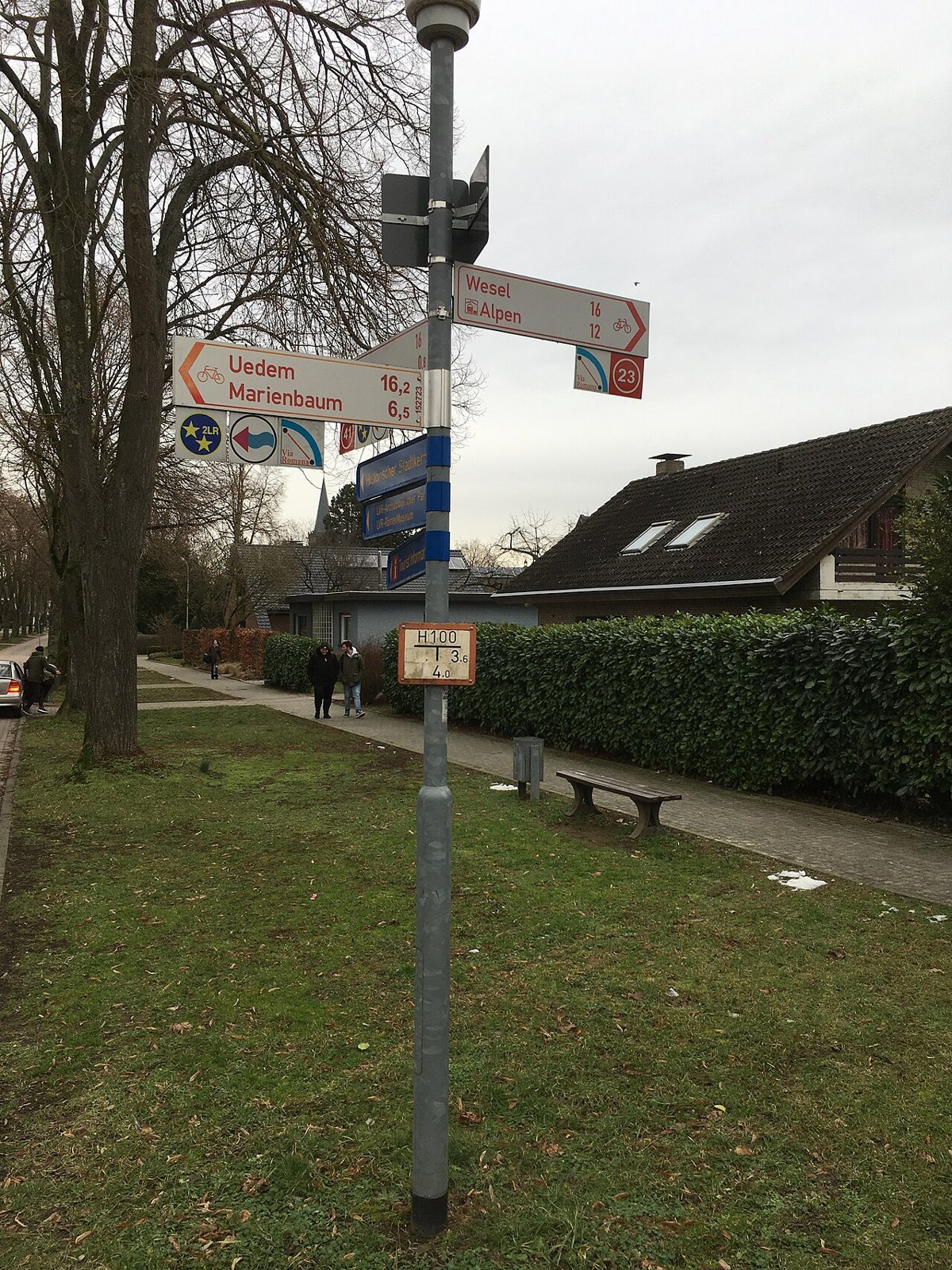
A short circuit becomes flexible when its shortcuts meet the same standards as the main route.
By bicycle
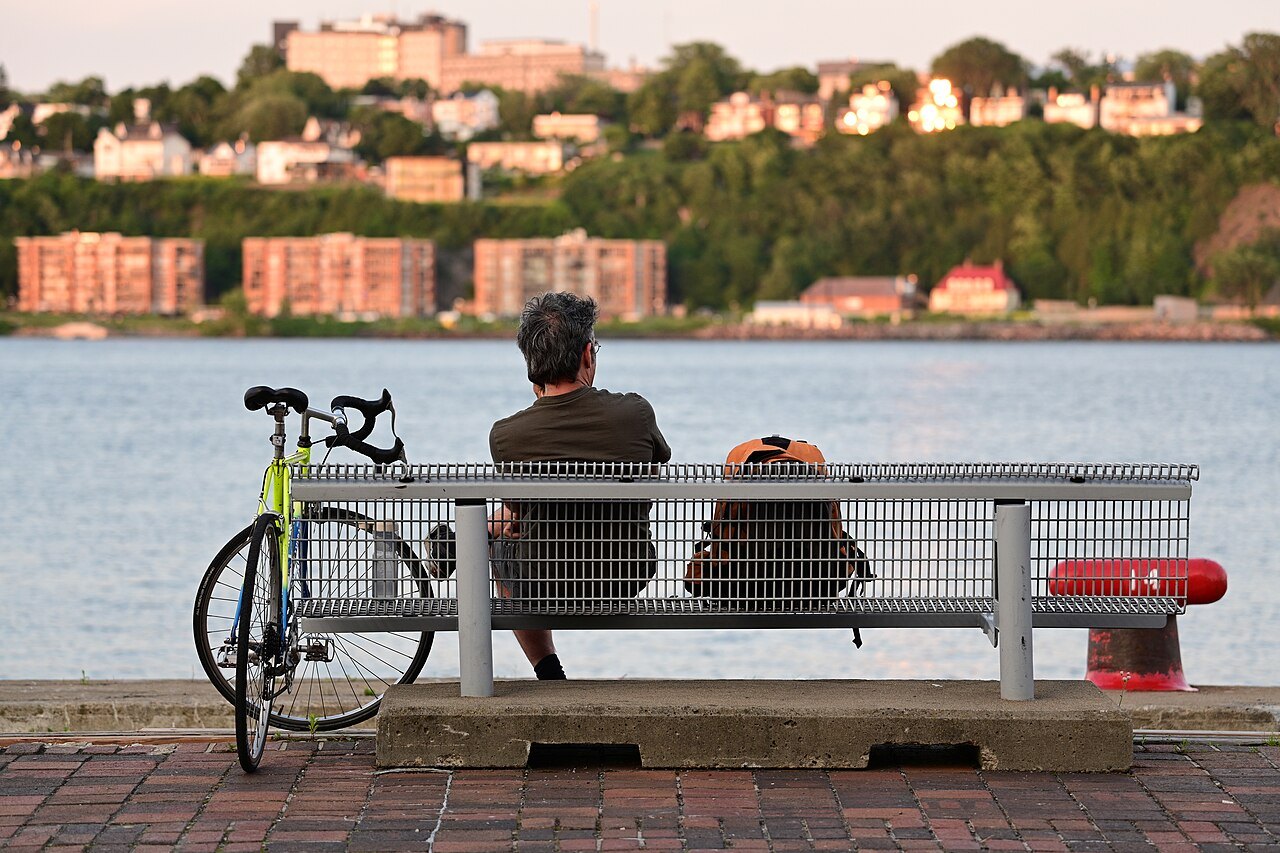
A useful stop is safe to reach and leave, has room for the bicycle and comes at the right point in the ride.
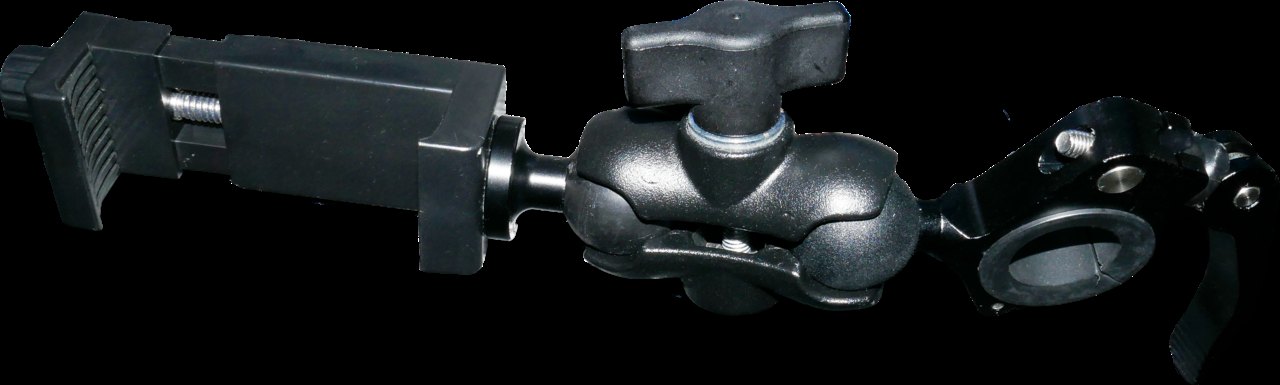
By bicycle
Prepared maps and a few clear decision points reduce screen time; stop when directions become unclear.
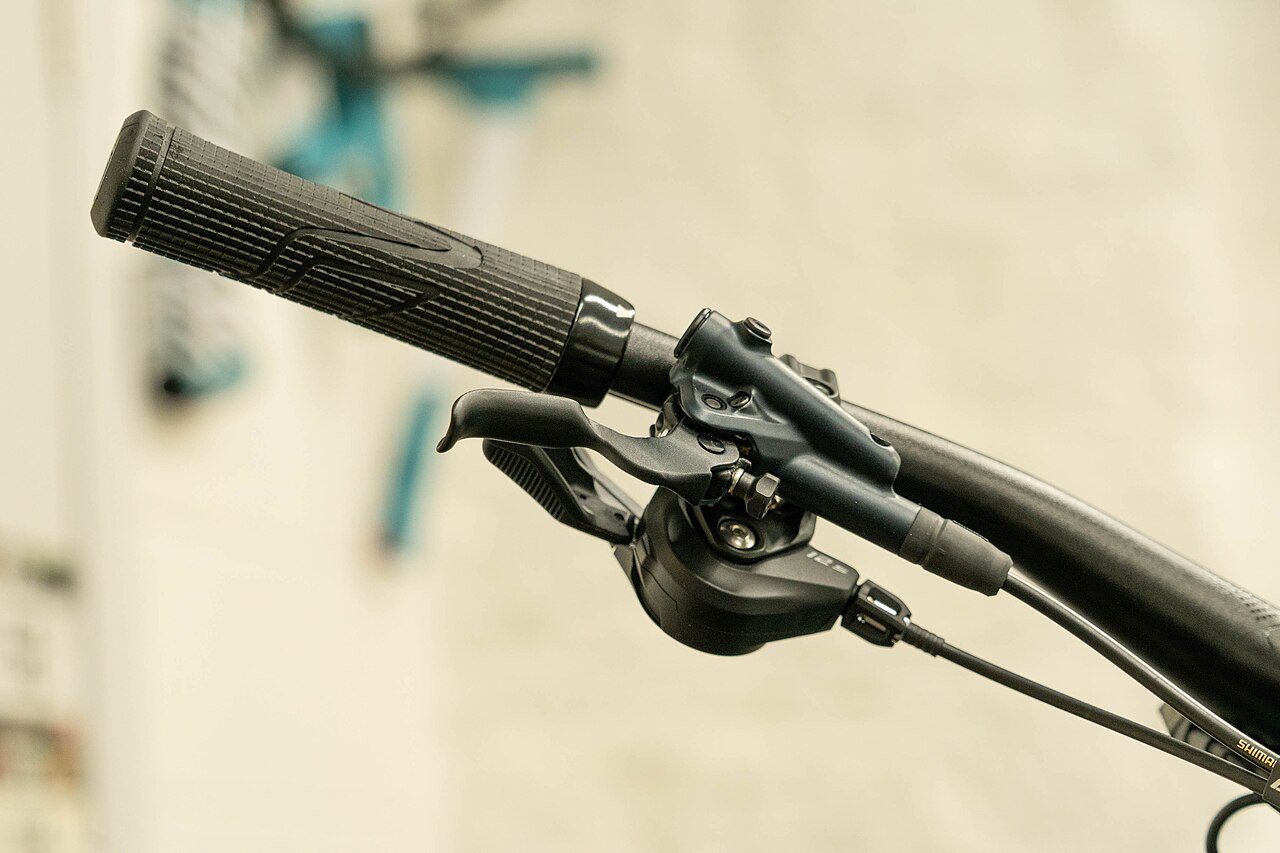
By bicycle
A brief check can reveal obvious faults before departure; uncertain brakes or loose components should not join a day ride.
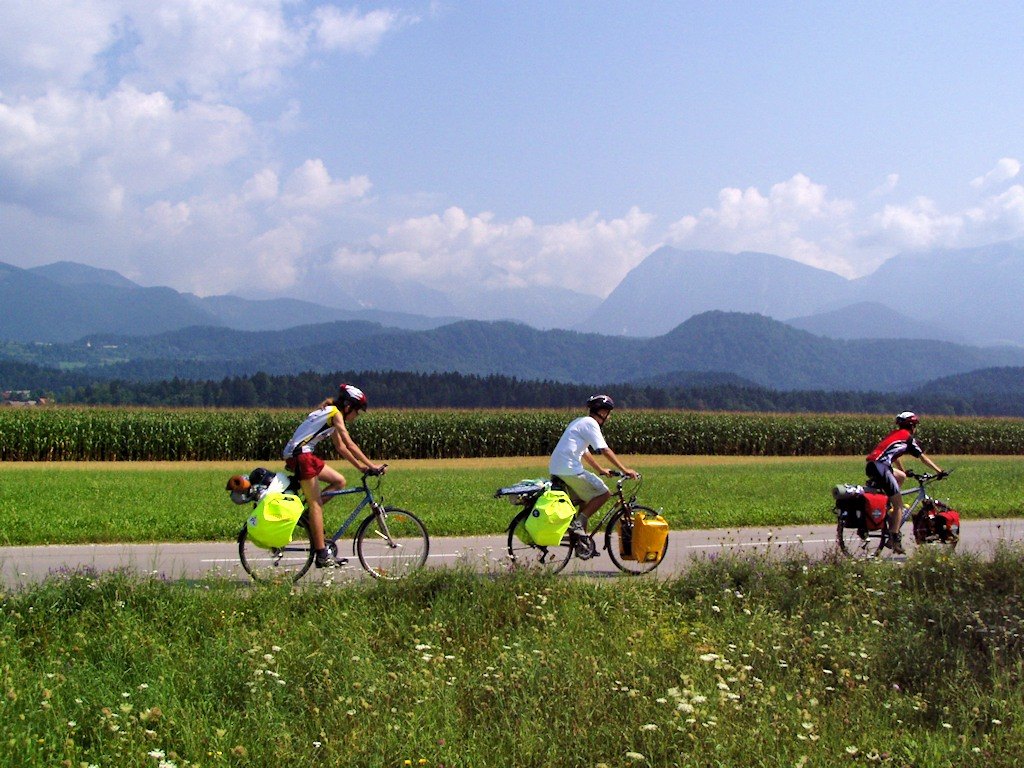
By bicycle
A photography ride works through planned stops, secure camera storage and fewer subjects given more attention.
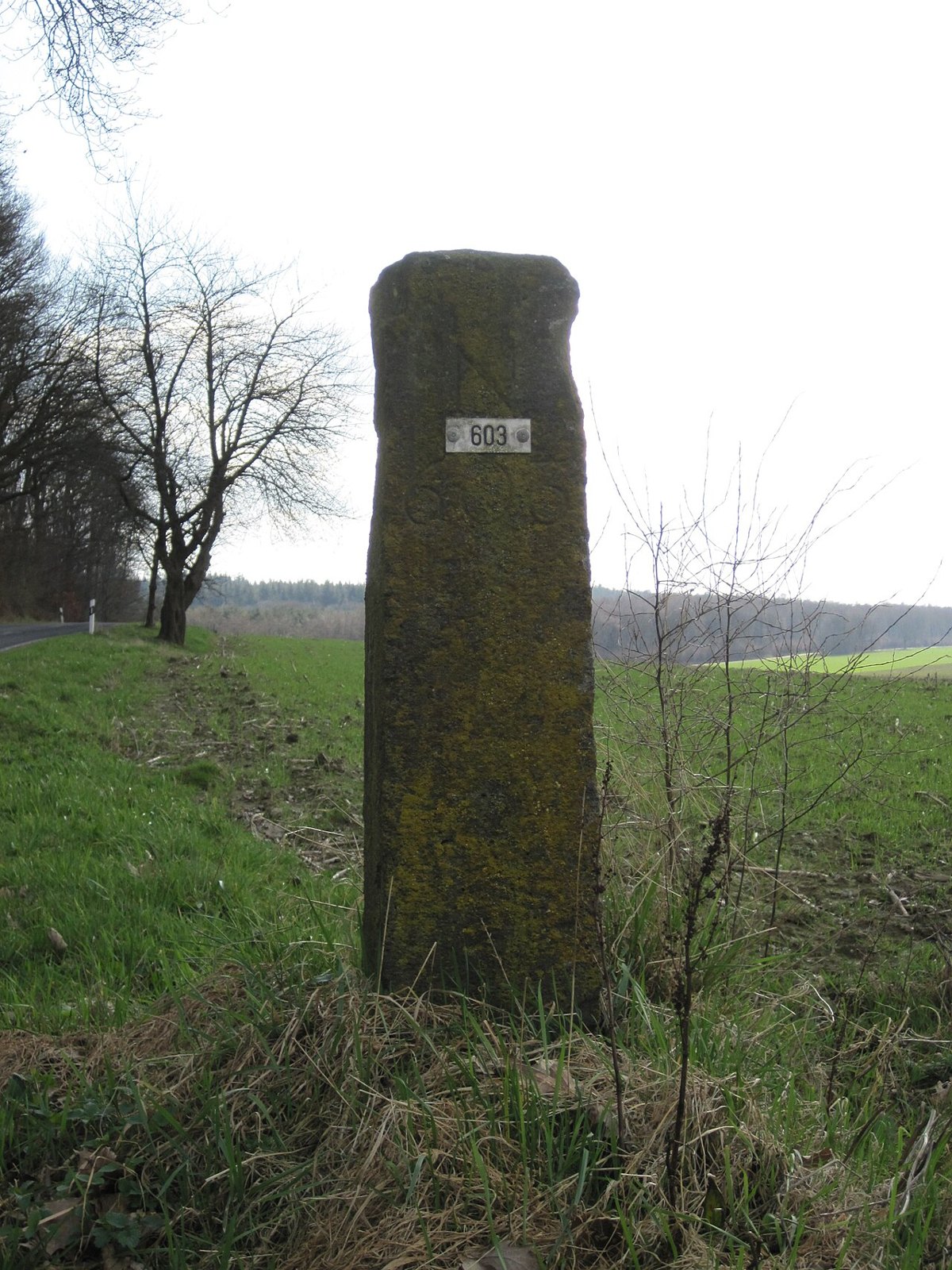
By bicycle
The border may appear in small signs or be barely visible; observe both without turning every difference into a national rule.
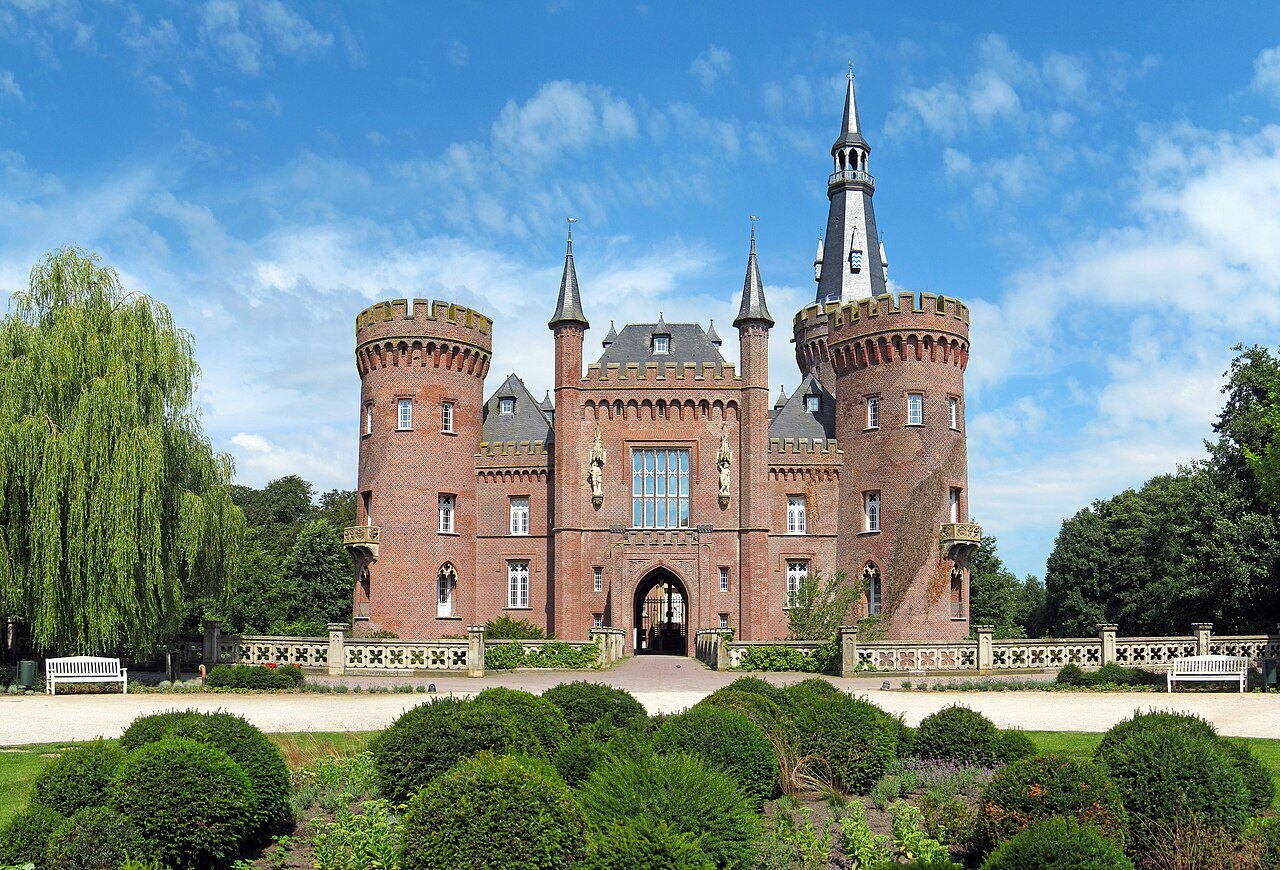
History & culture
Three interests need not produce the same visit.
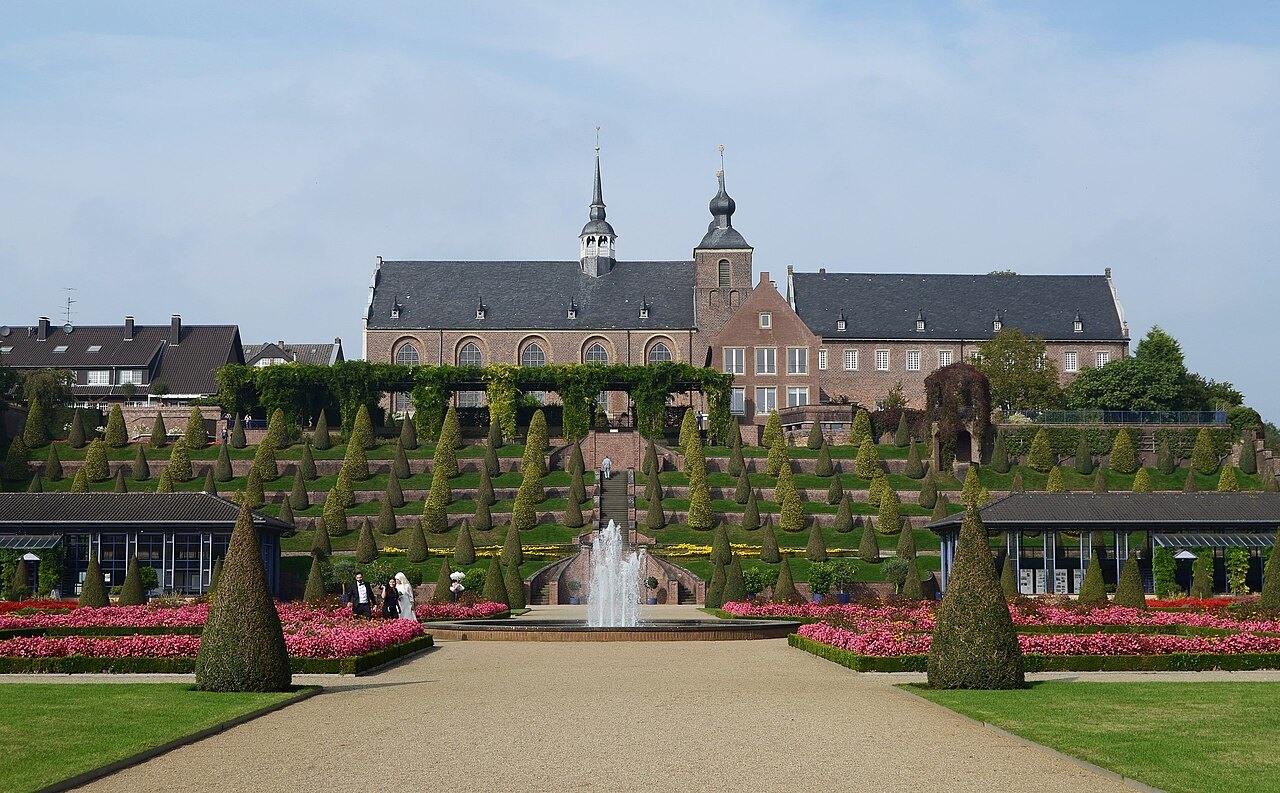
History & culture
Steps, axes and changing viewpoints explain the design.
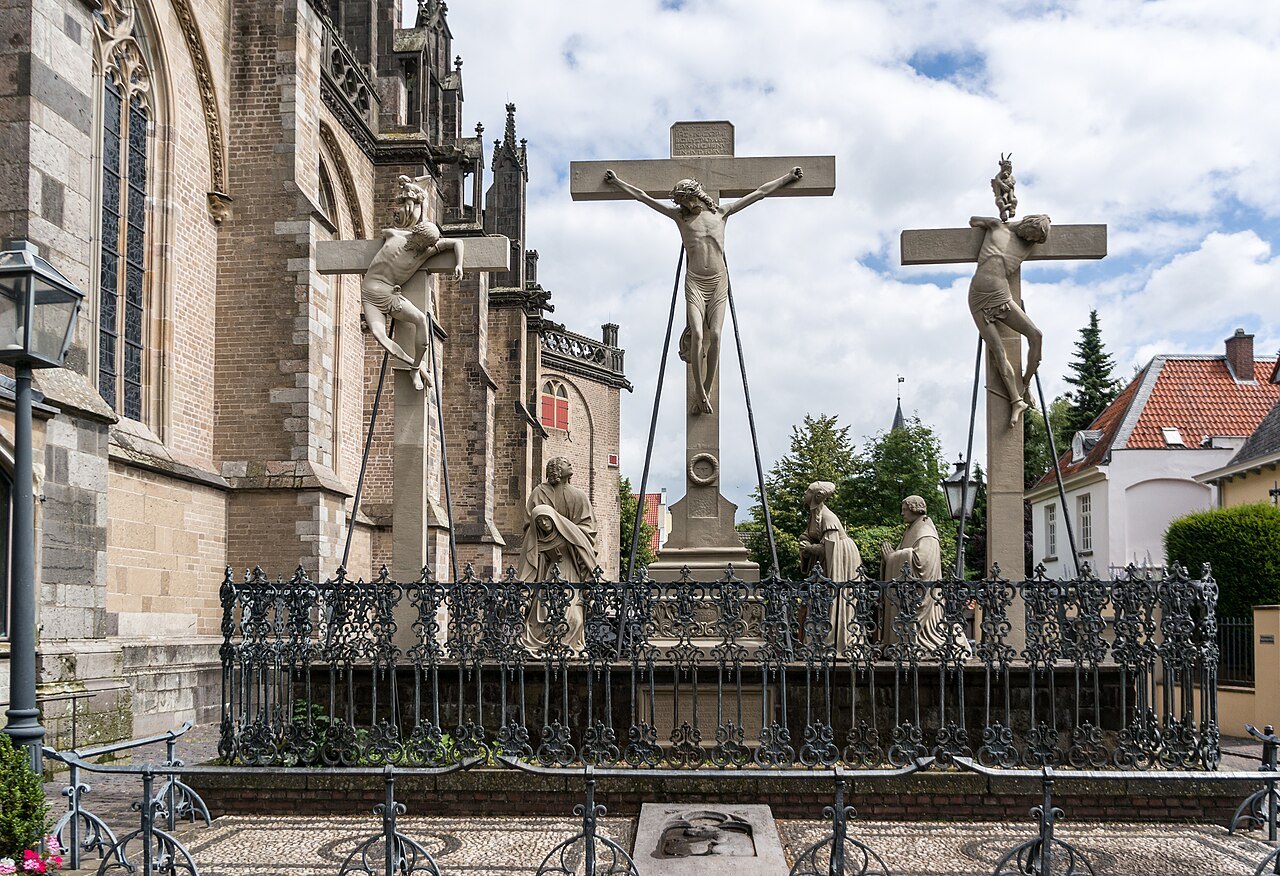
History & culture
From the square to a doorway, and from the whole building to a detail.
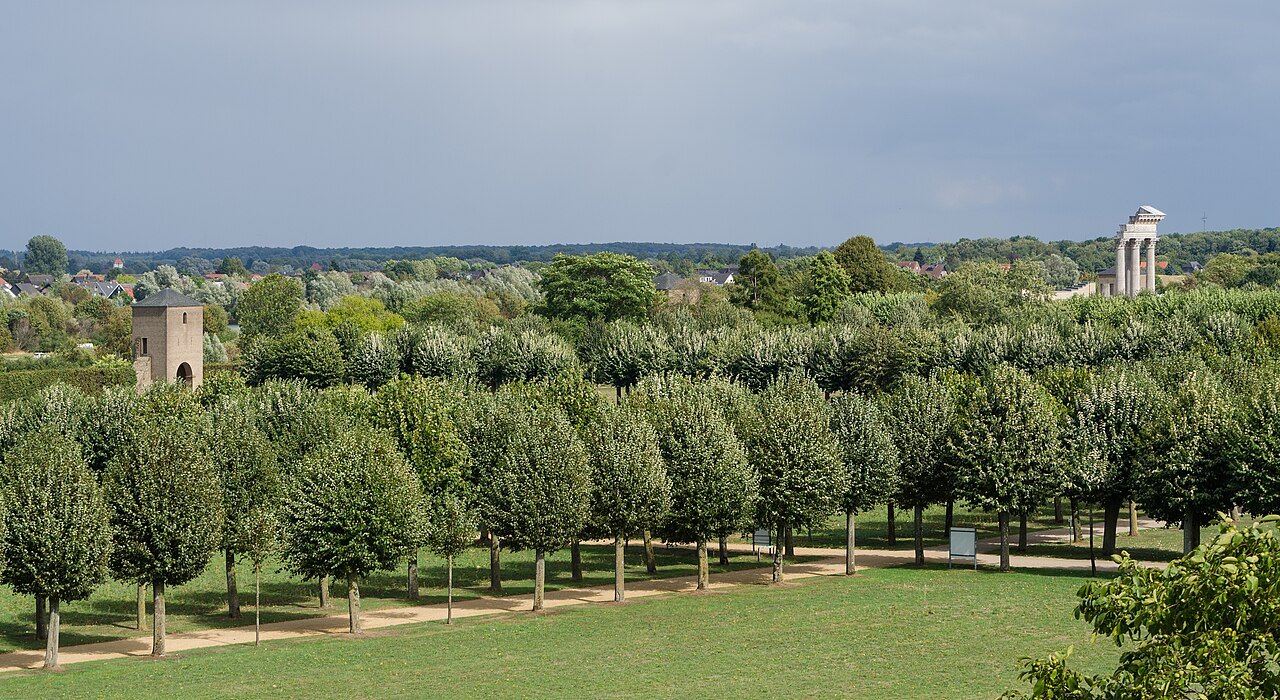
History & culture
What a reconstructed building can show, and which questions remain.
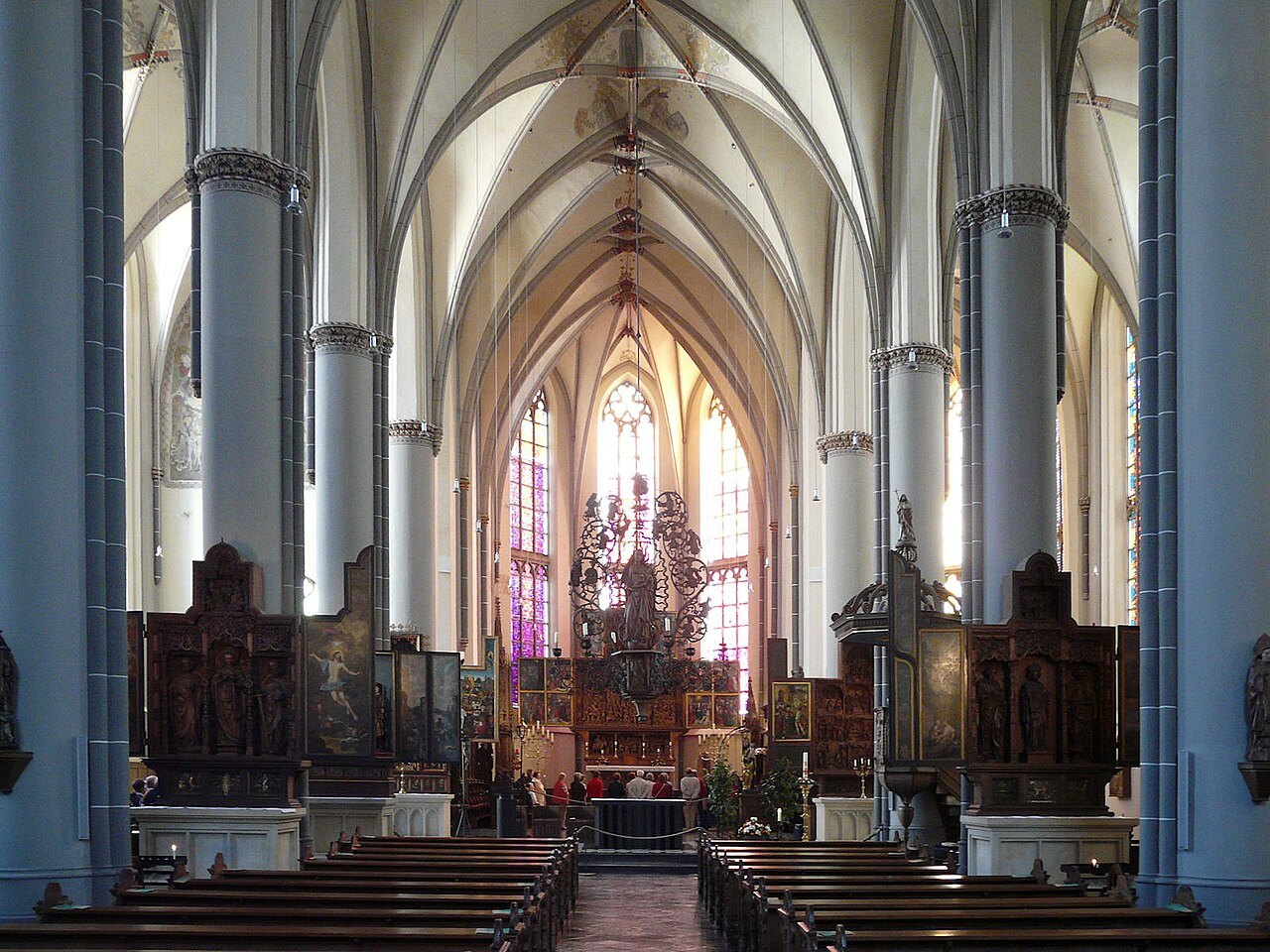
History & culture
Selection and quiet comparison give a church visit more depth.
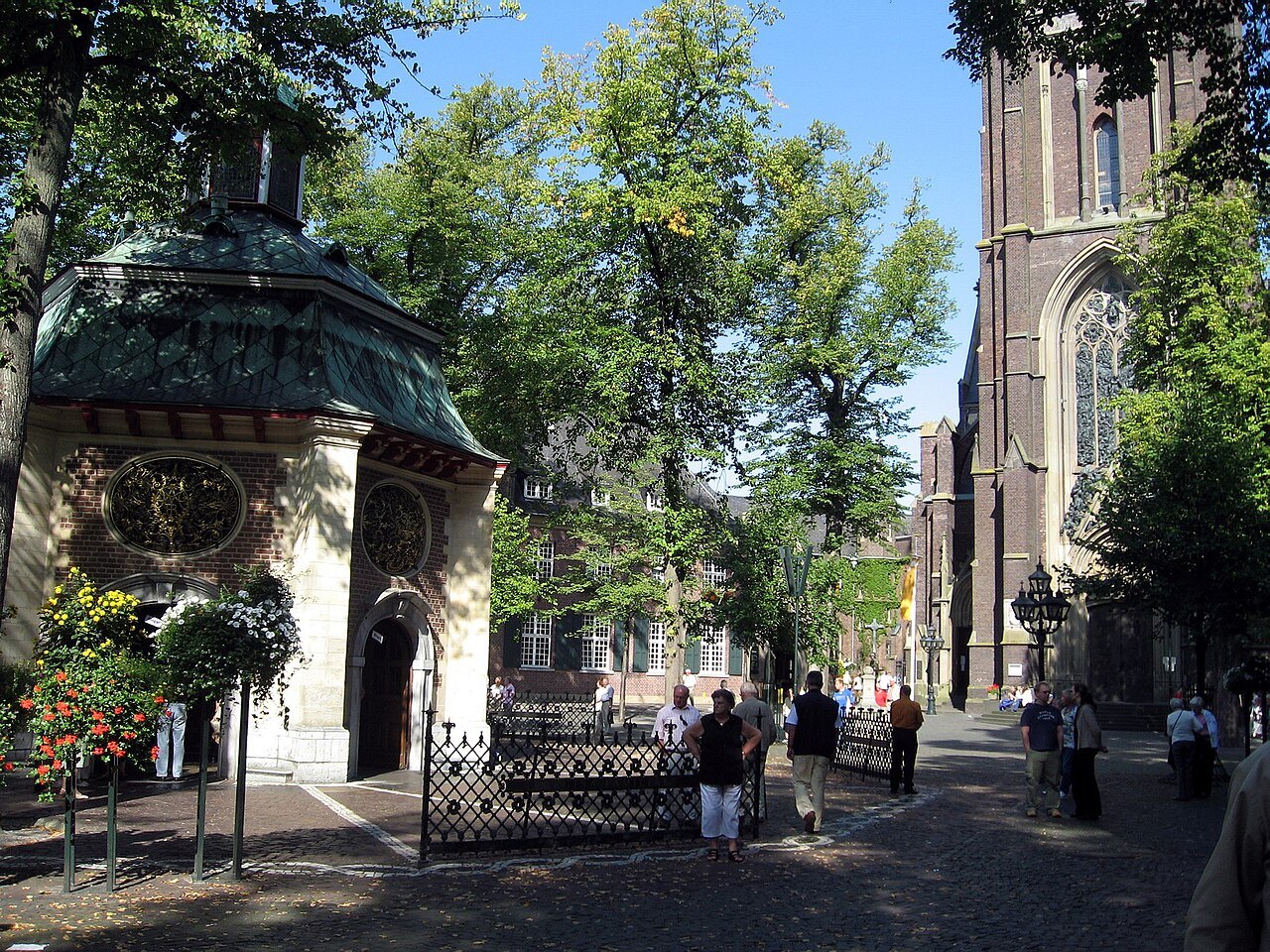
History & culture
Understand the Gnadenkapelle and Kerzenkapelle through their use.
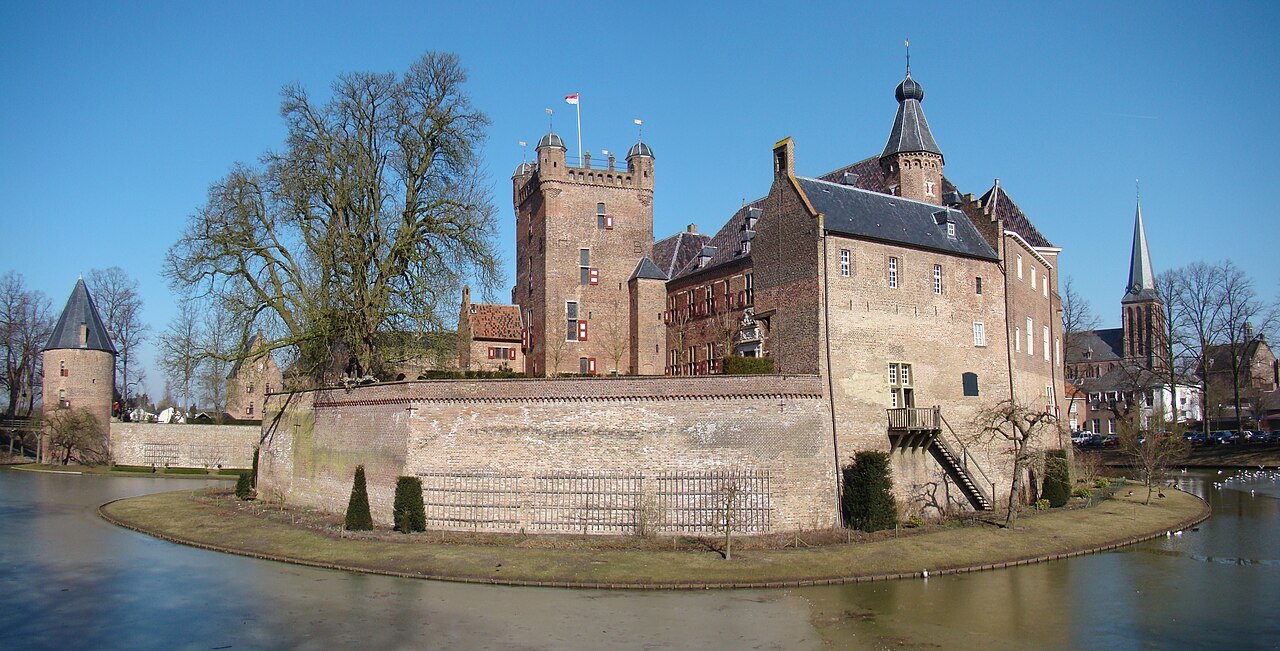
History & culture
For Huis Bergh, destination, type of visit and return travel are separate decisions.
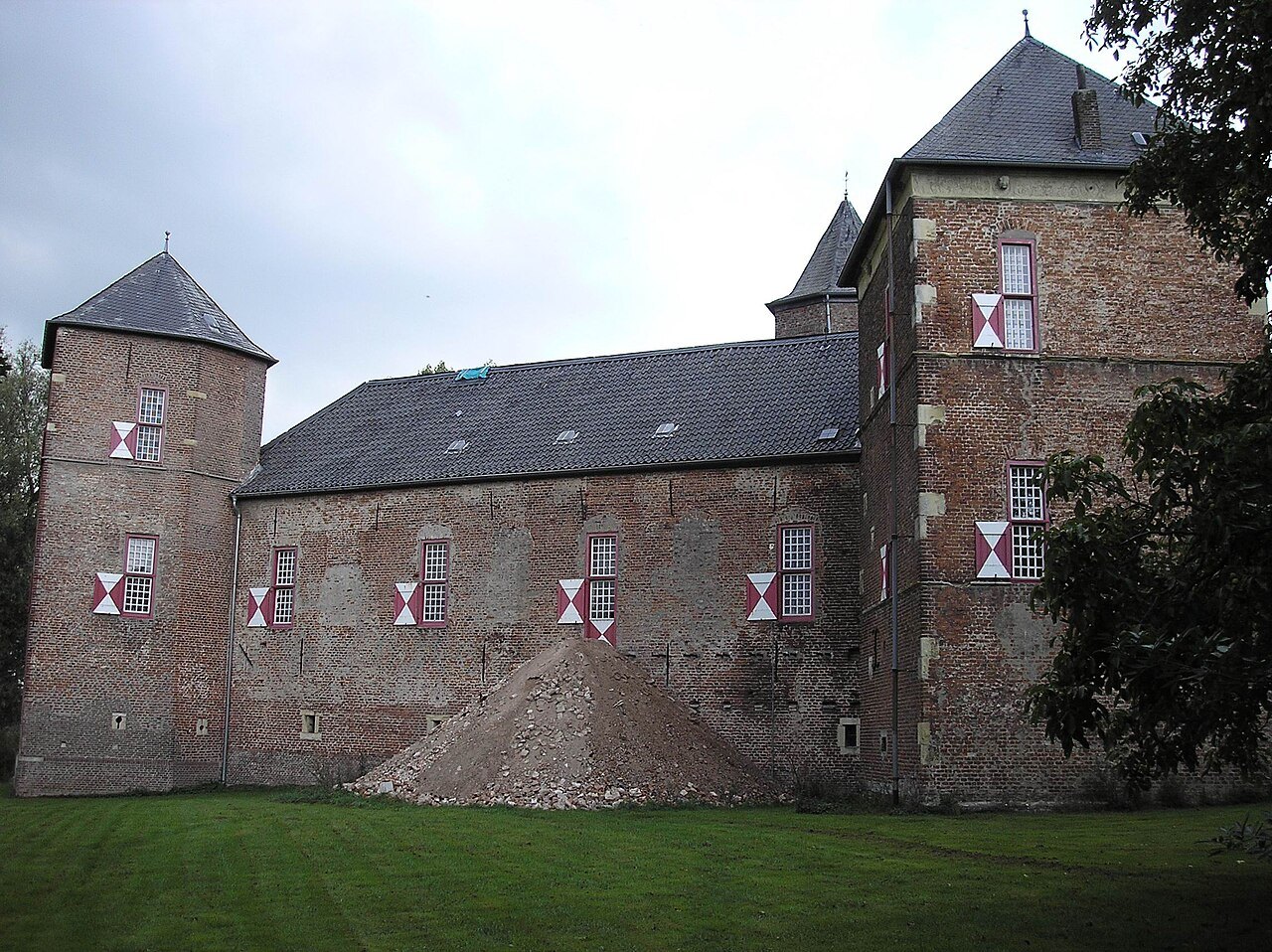
History & culture
A historic estate is not automatically an unrestricted visitor attraction.
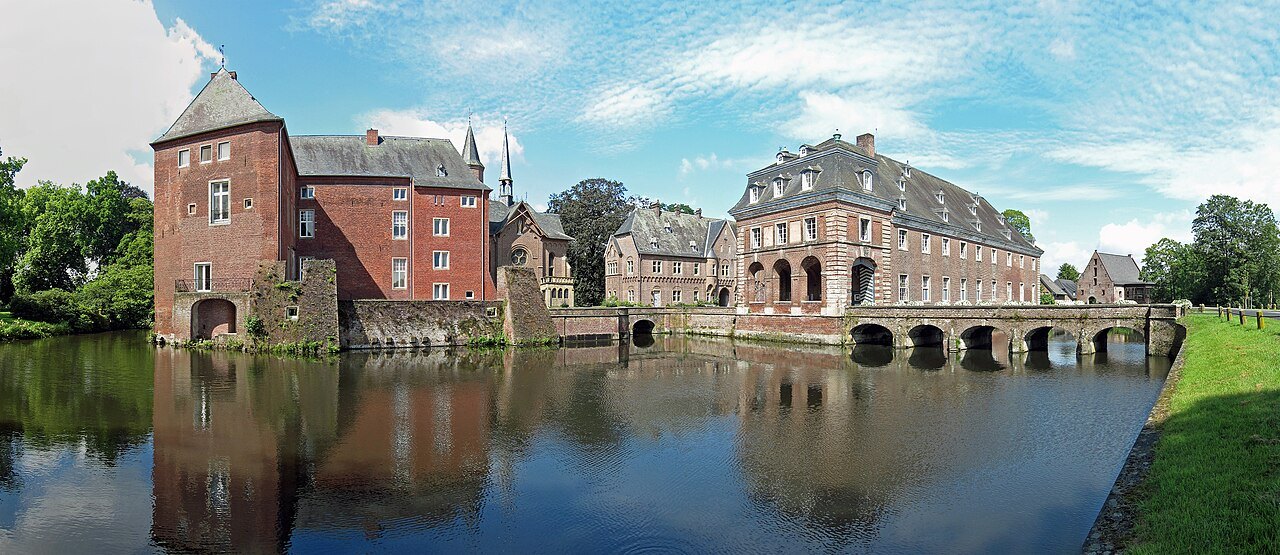
History & culture
Visitor offers and private areas call for different expectations.
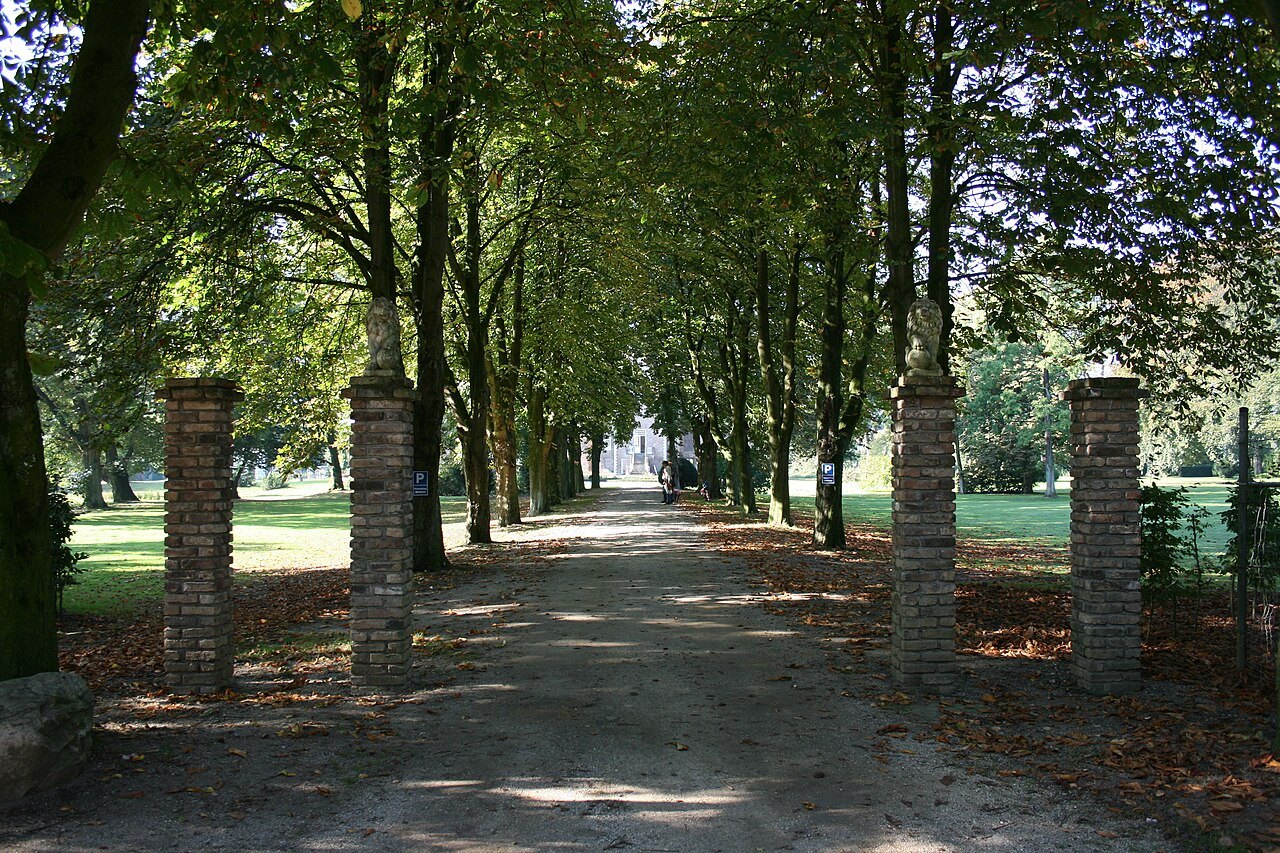
History & culture
Hertefeld invites questions about how a historic place continues to be used.
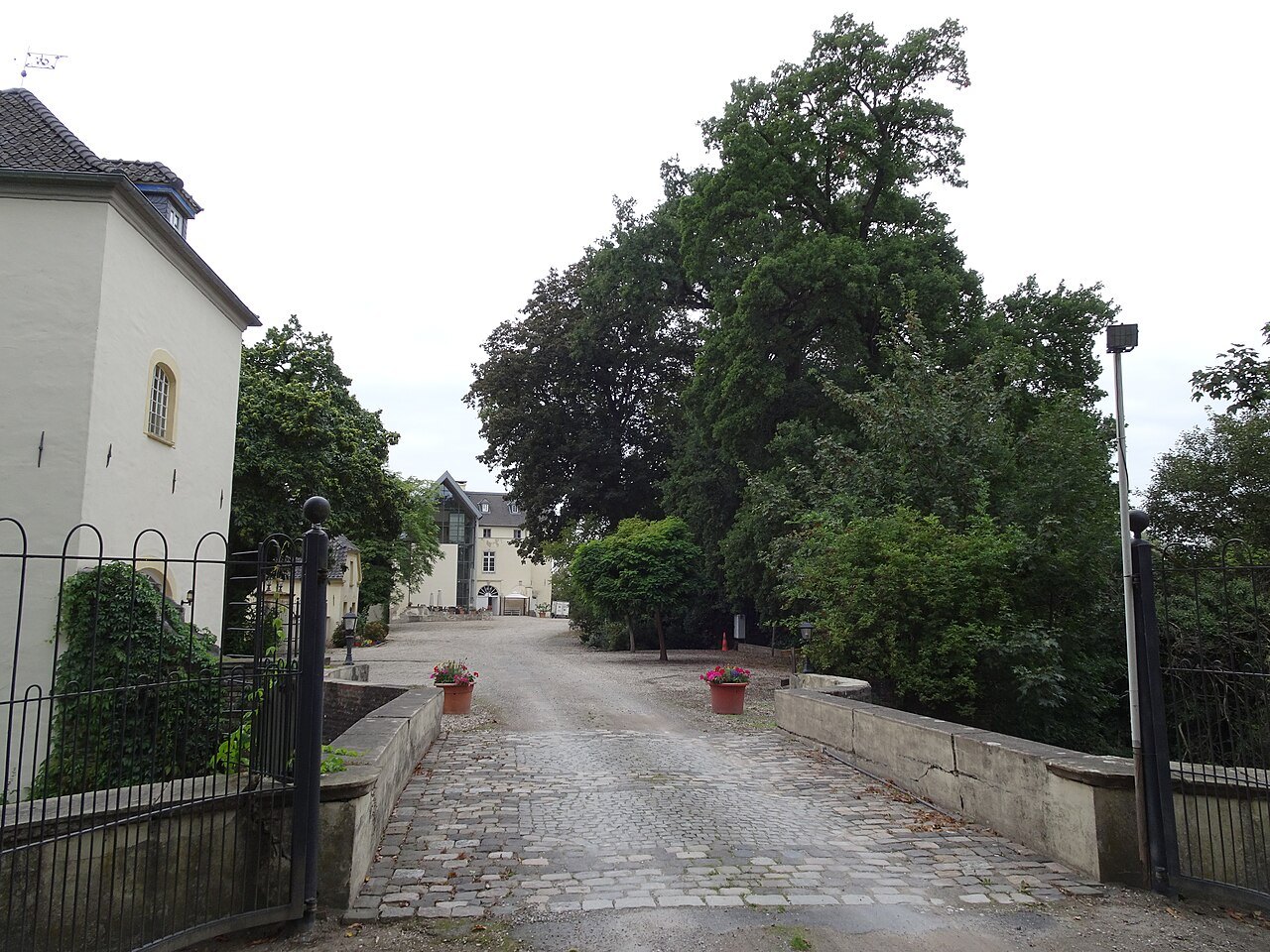
History & culture
Distinguish the appearance of a complete castle from its surviving evidence.
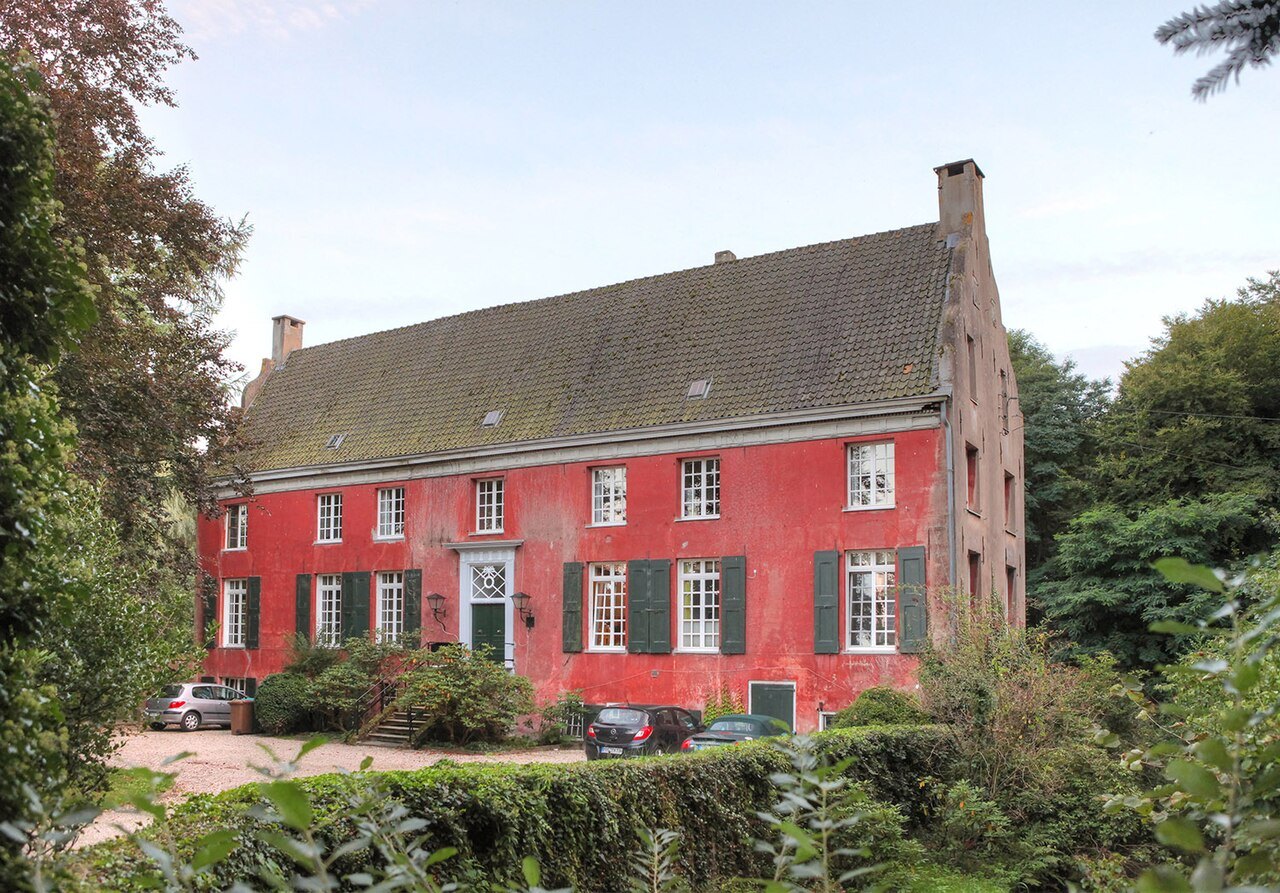
History & culture
At Haus Rosendal in Bedburg-Hau, careful observation begins with identifying the right place.
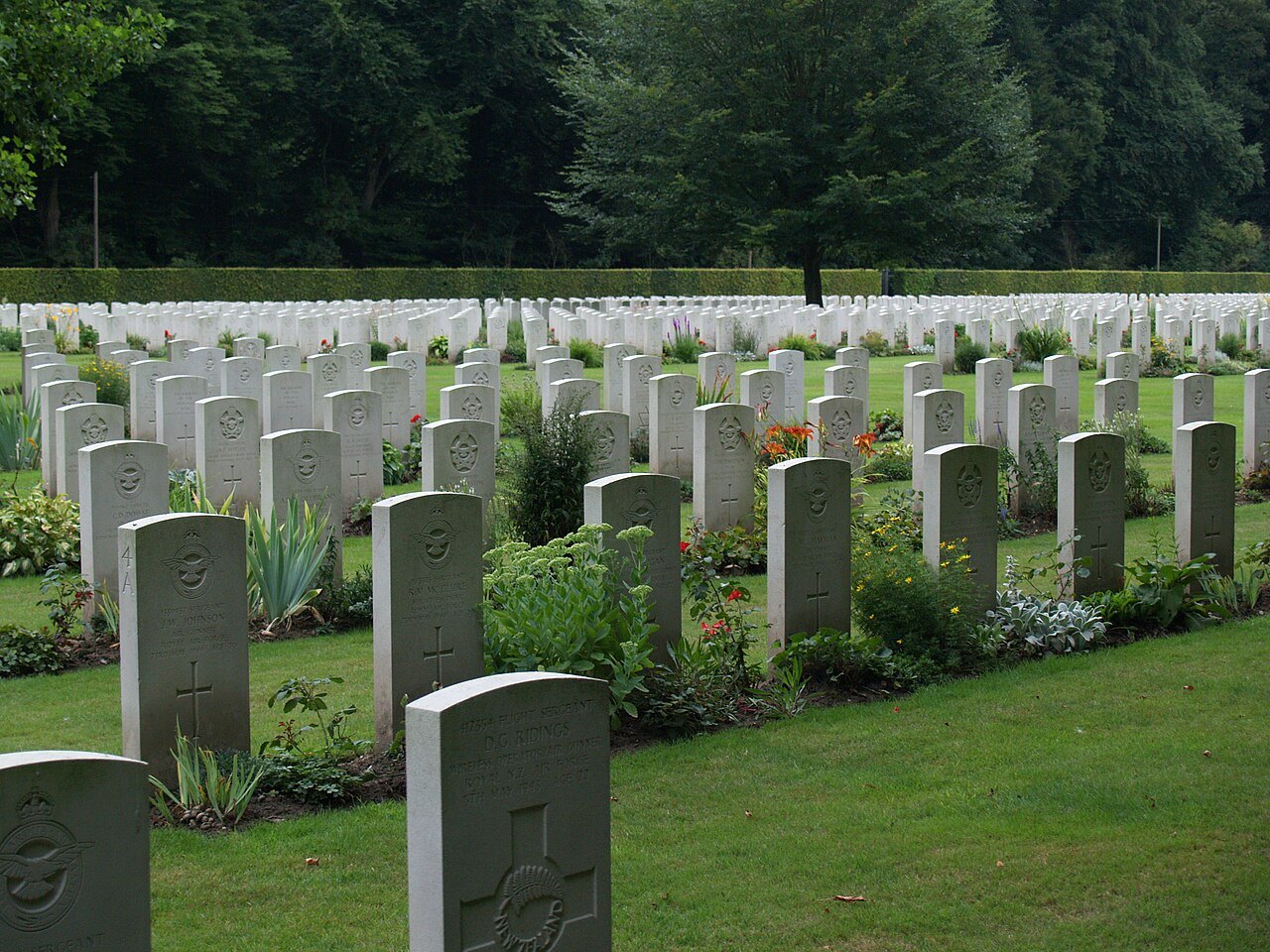
History & culture
Remembrance, individual lives and a quiet visit take precedence.
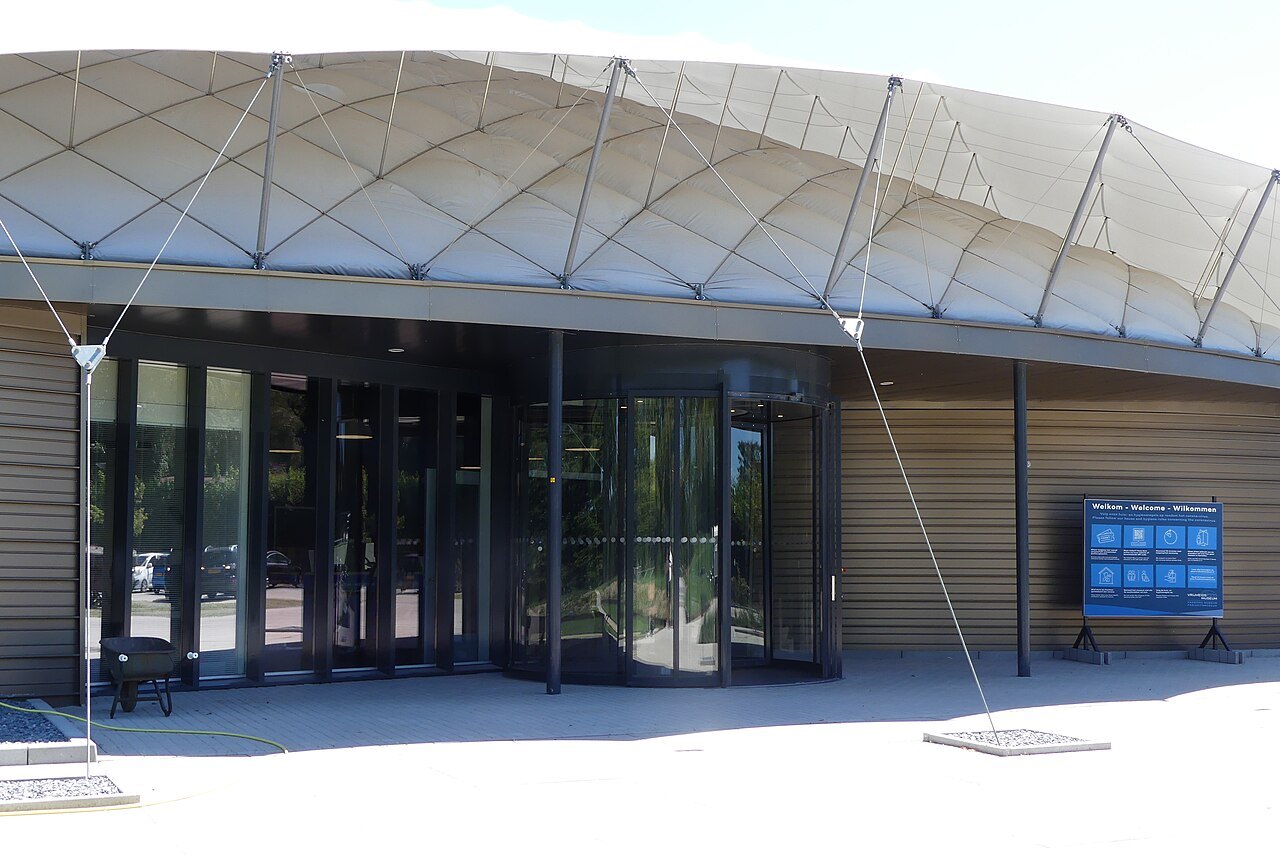
History & culture
A few clear questions can shape a visit to the museum in Groesbeek.
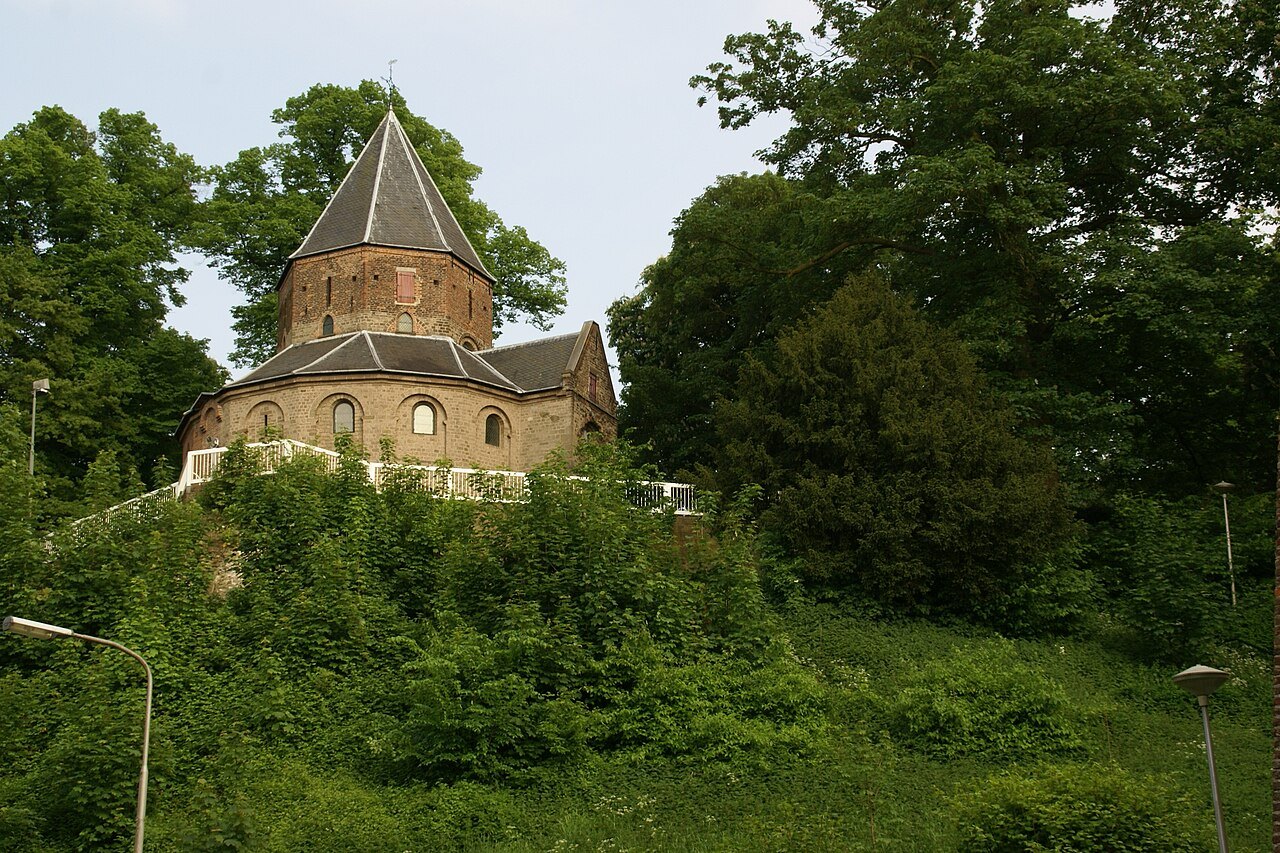
History & culture
At Valkhofpark, individual structures, terrain and views towards the Waal belong together.
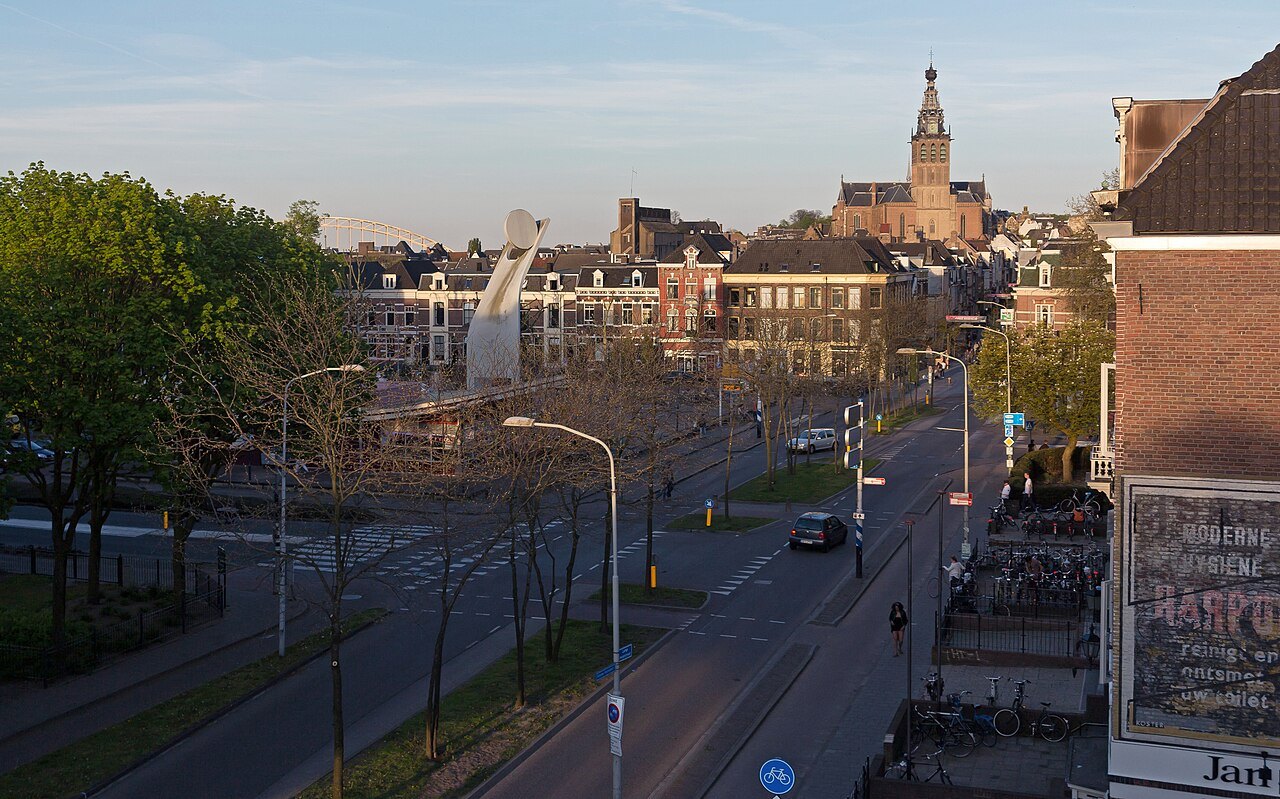
History & culture
The church helps make sense of Nijmegen from different directions.
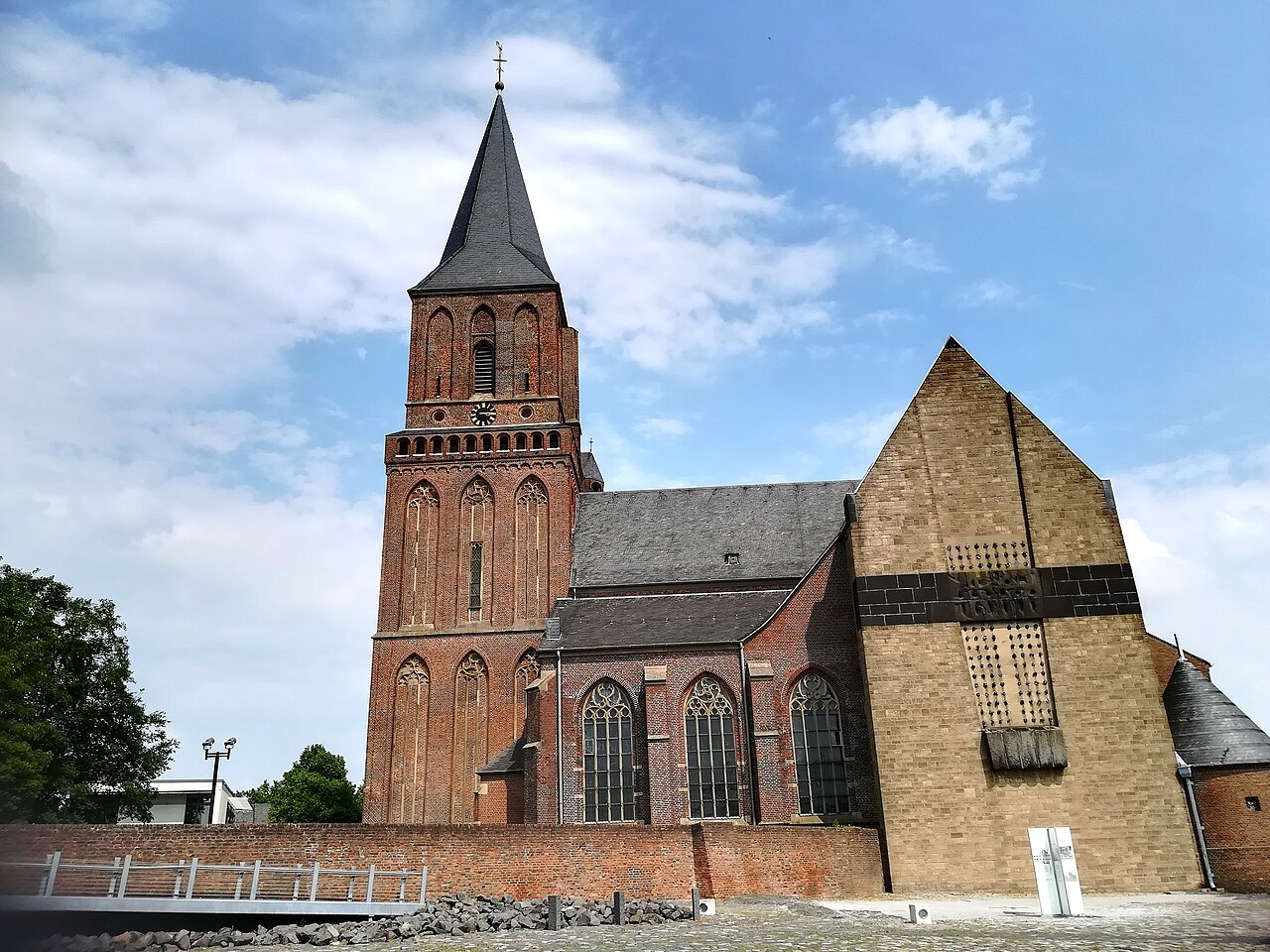
History & culture
St Martini connects the Rhine frontage with a layered building history.
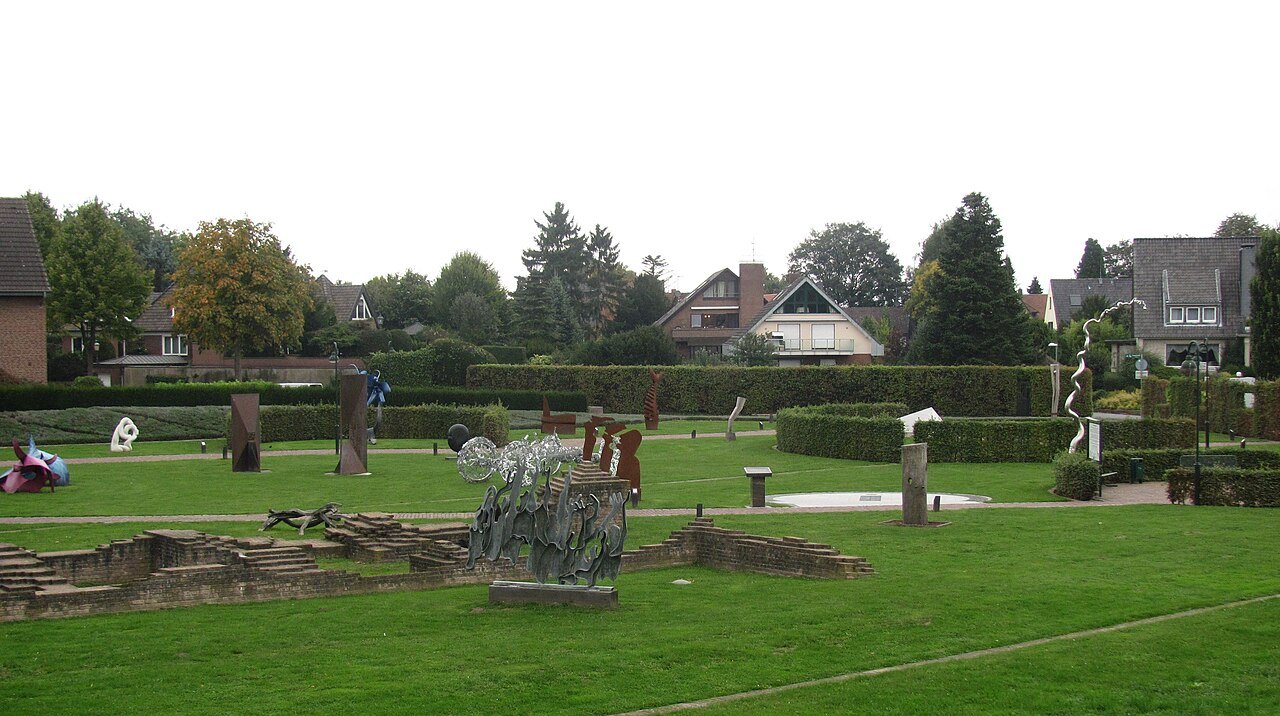
History & culture
Form, setting and movement shape a sculpture walk.
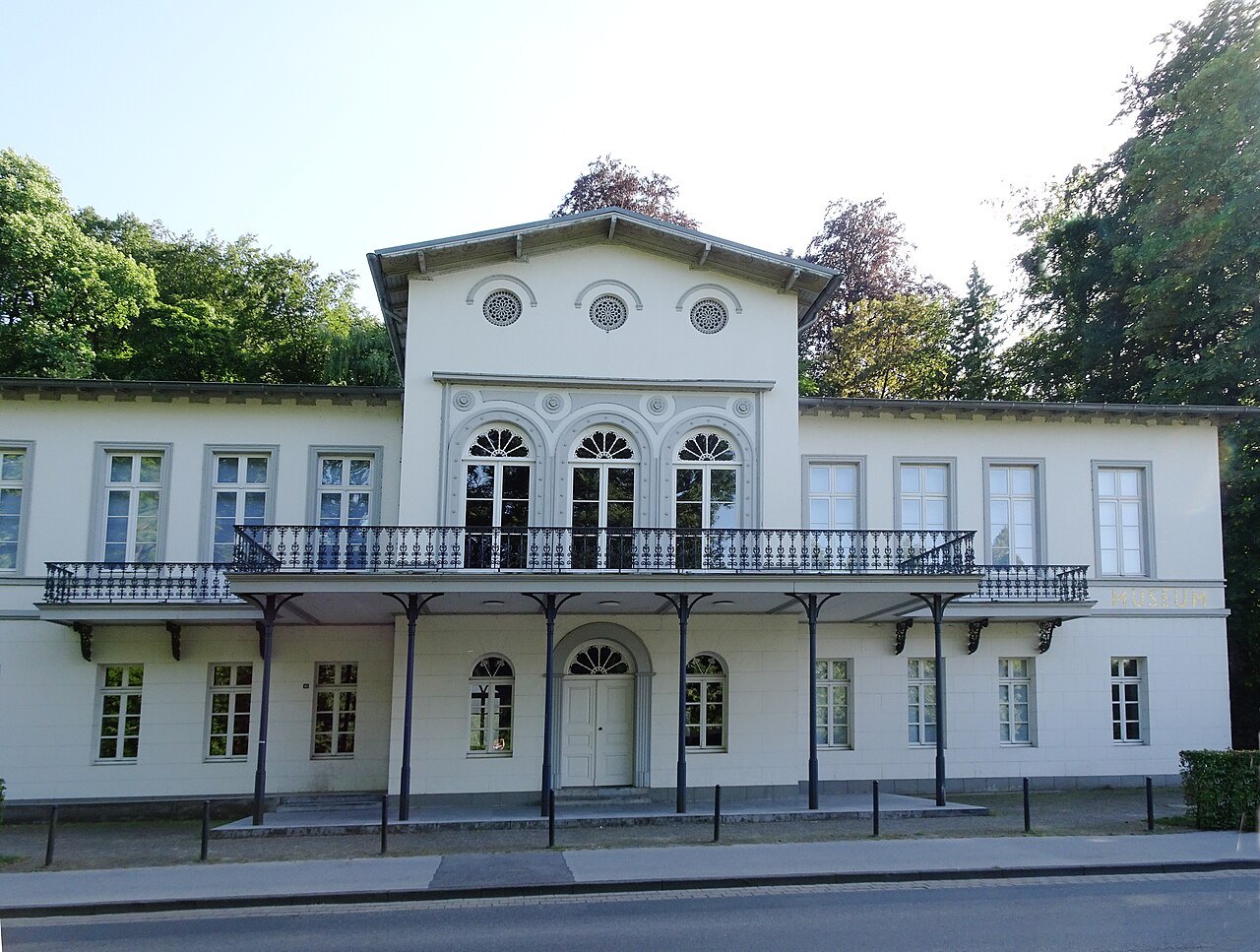
History & culture
A studio, an exhibition venue and an artwork create different connections.
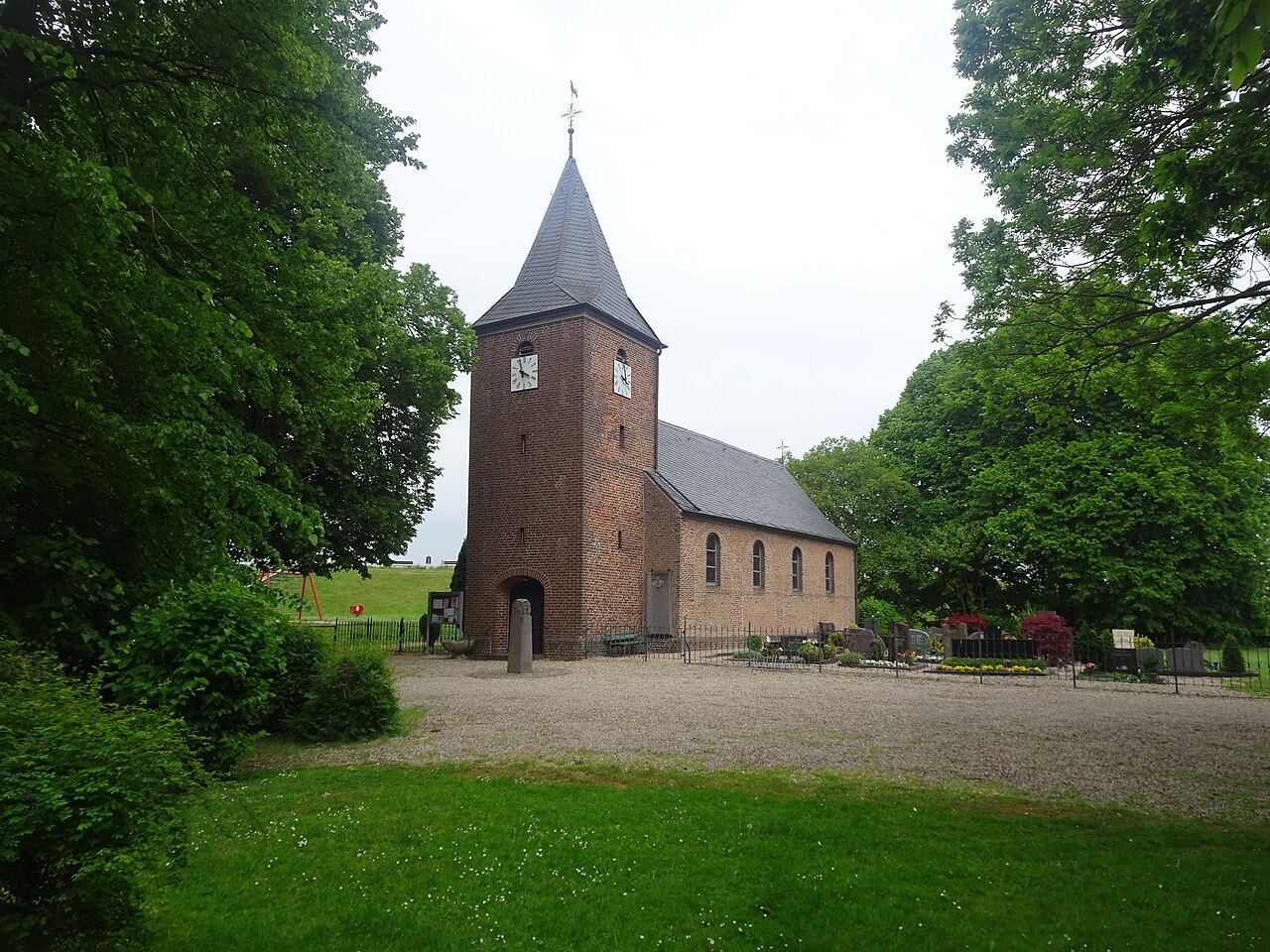
History & culture
Colour, joints and openings offer a starting point, not a reliable date.
Time together
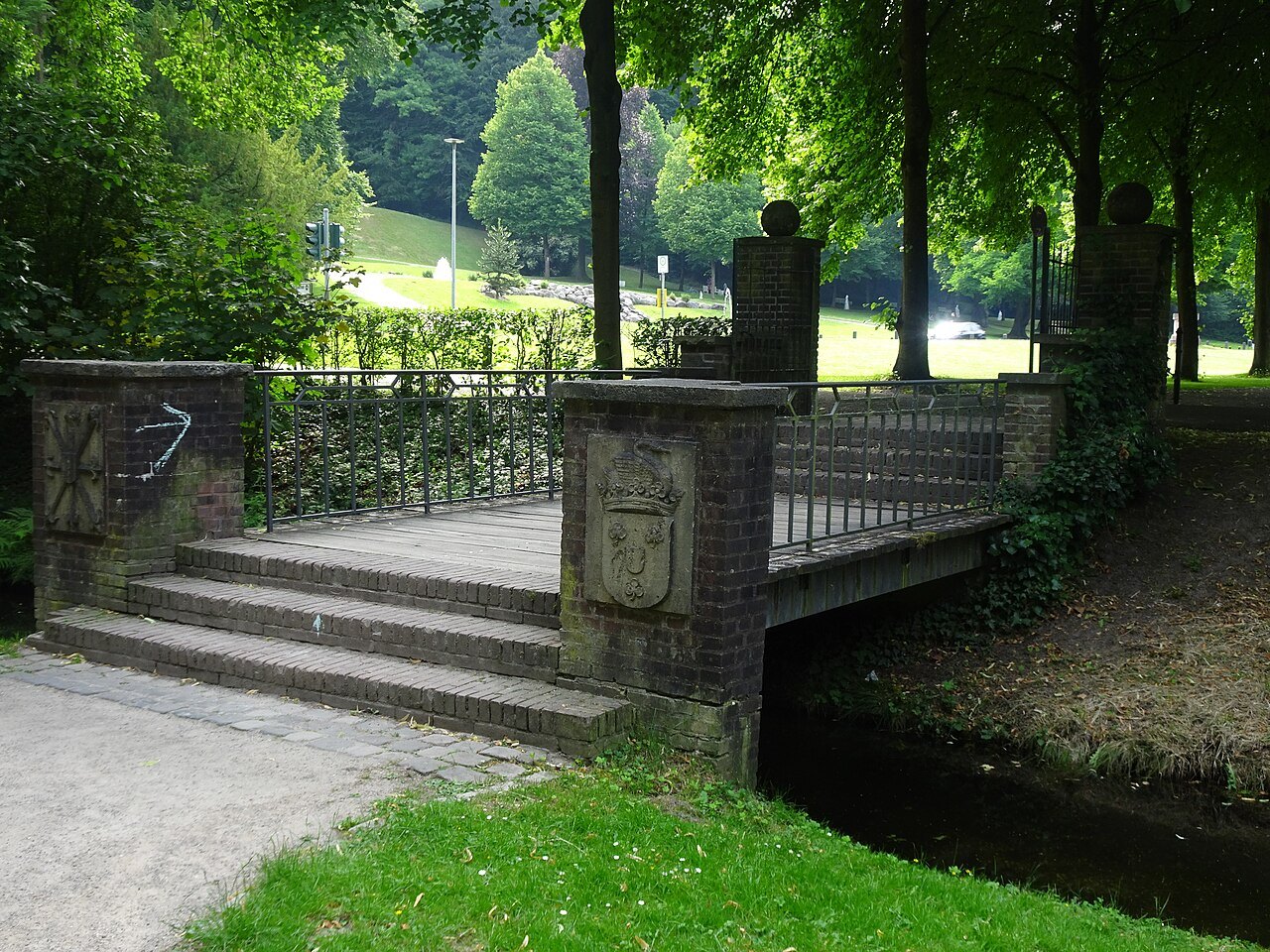
A few open-ended tasks leave room for discoveries of your own.
Time together
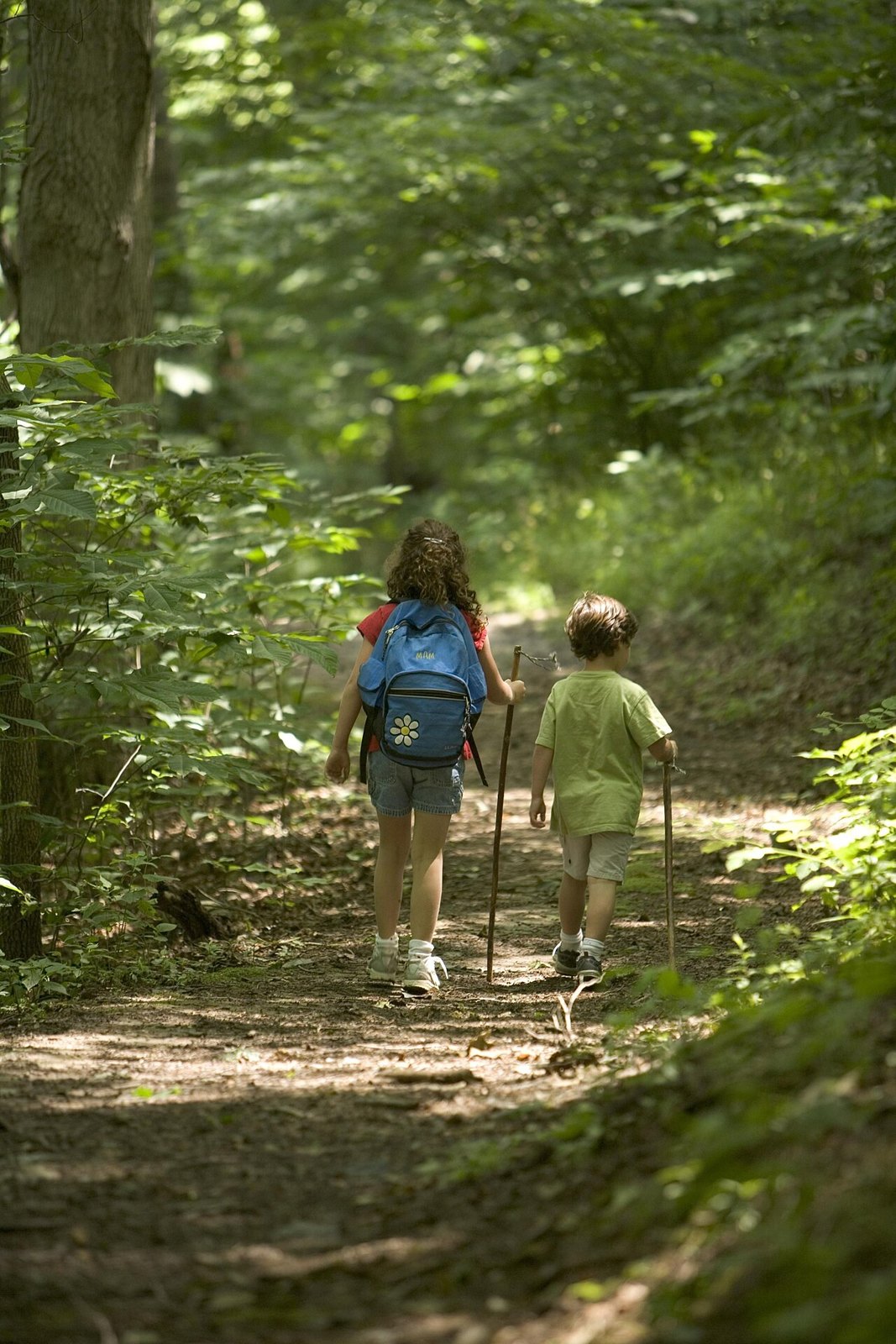
A short out-and-back walk can leave more room for discovery than a large circuit.
Time together
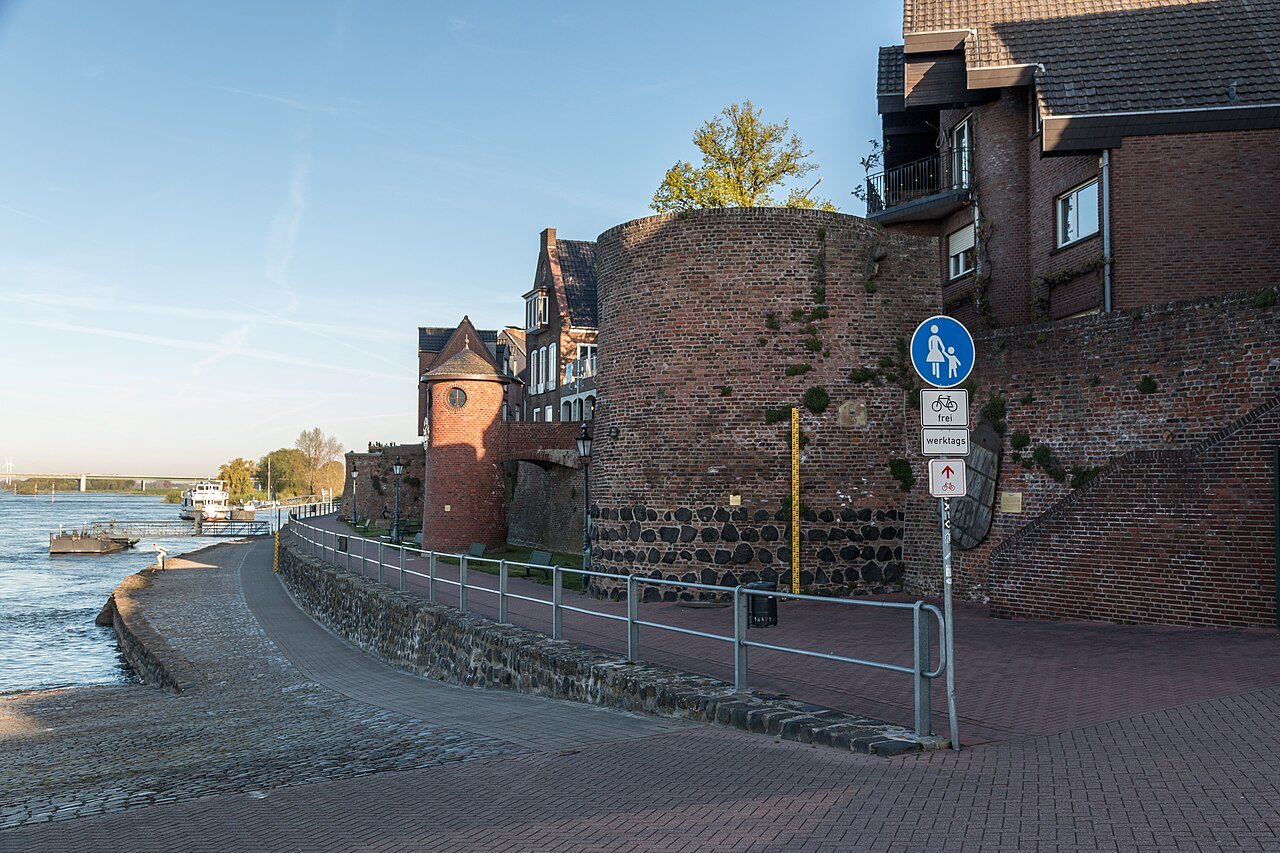
Ships, surface patterns and riverfront views can be watched from suitable paths.
Time together
One dependable indoor destination and short transfers are usually enough.
Time together
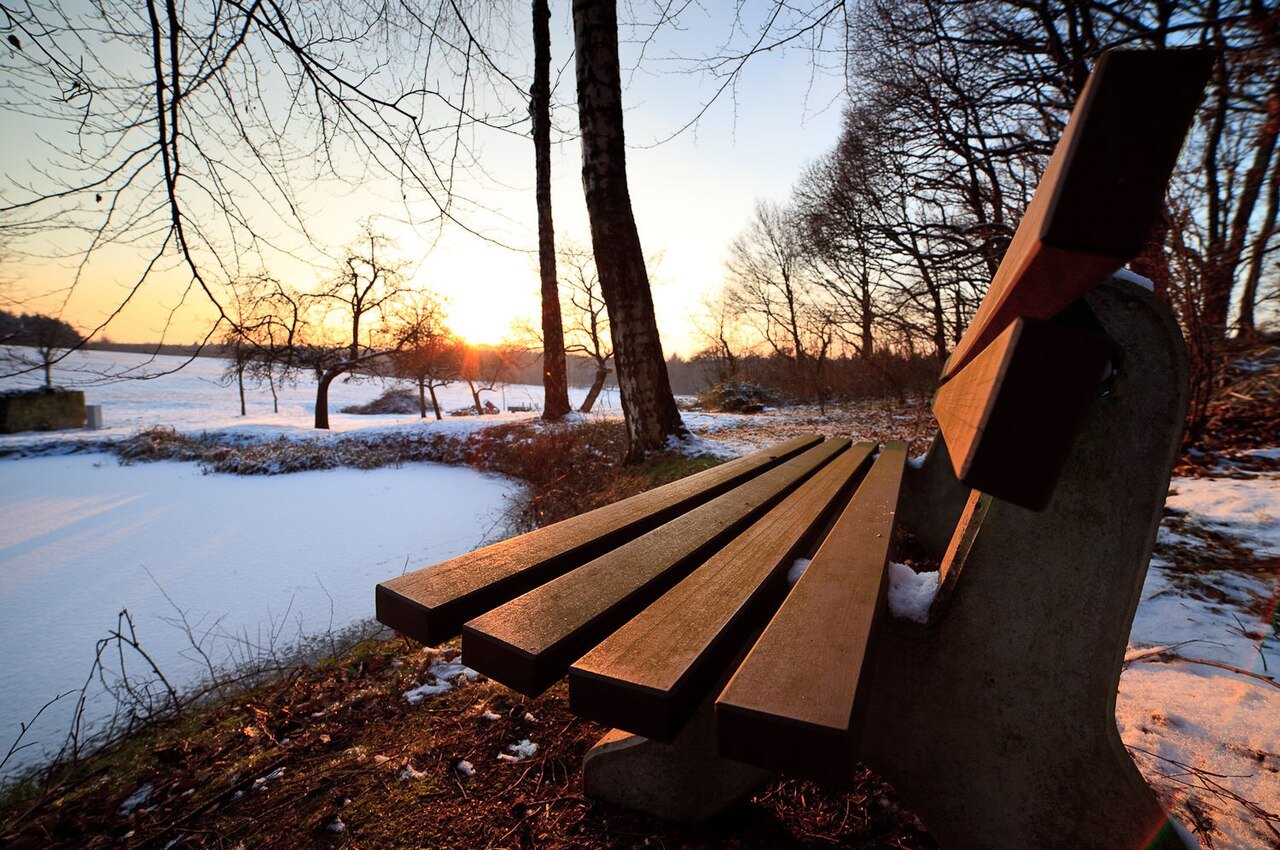
In winter, the return journey sets the framework for the outing.
Time together
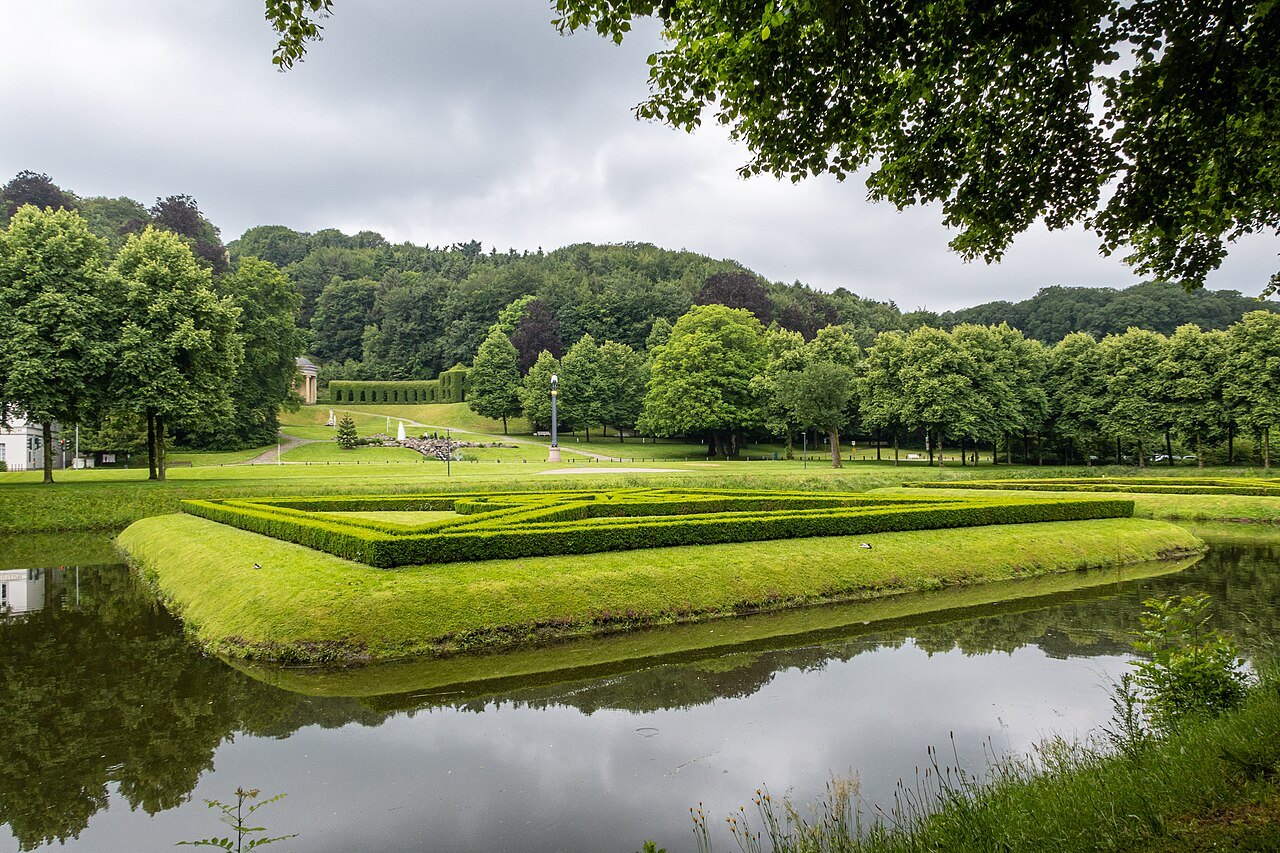
A garden remains interesting even when the expected flowers have not appeared.
Time together
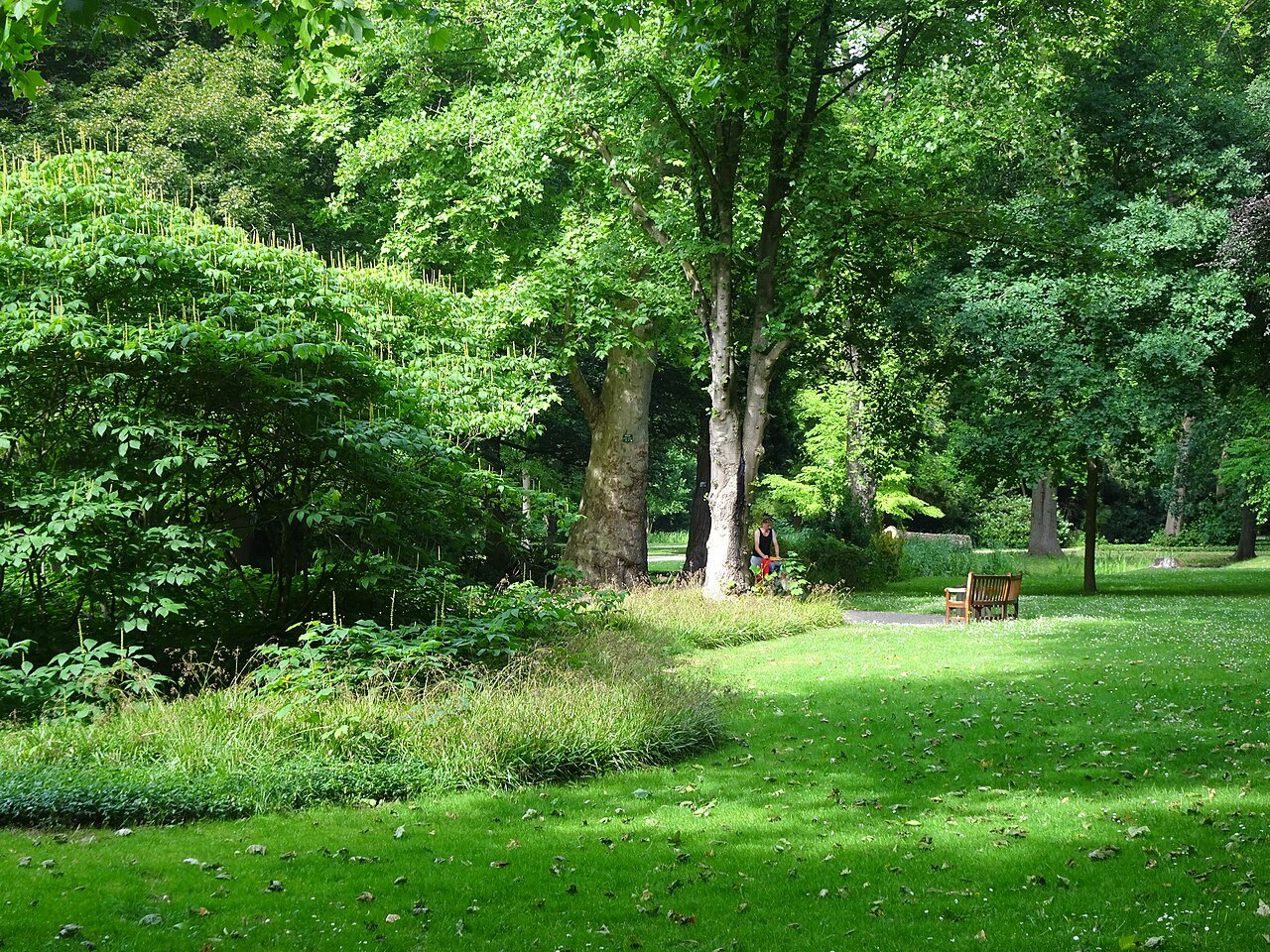
Shade needs to exist along the actual route, not just in a destination photograph.
Time together
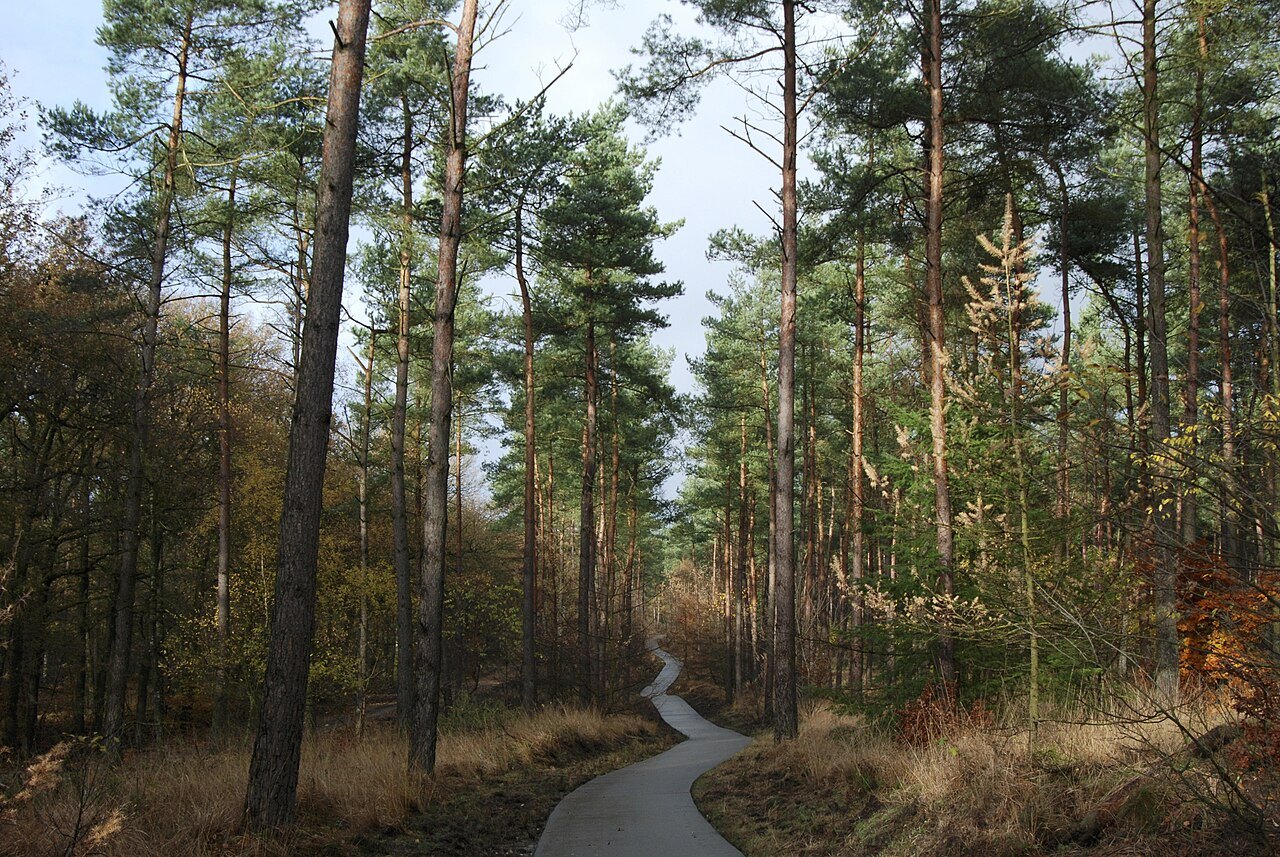
Enjoy autumn colour while considering what lies beneath the leaves.
Time together
Permission, ground conditions and waste belong in the choice of place.
Time together
Different interests need choices rather than assumptions about age.
Time together
For a pushchair, the whole connection from departure to return matters.
Time together
One clear focus leaves time for transfers, breaks and unexpected interests.
Time together
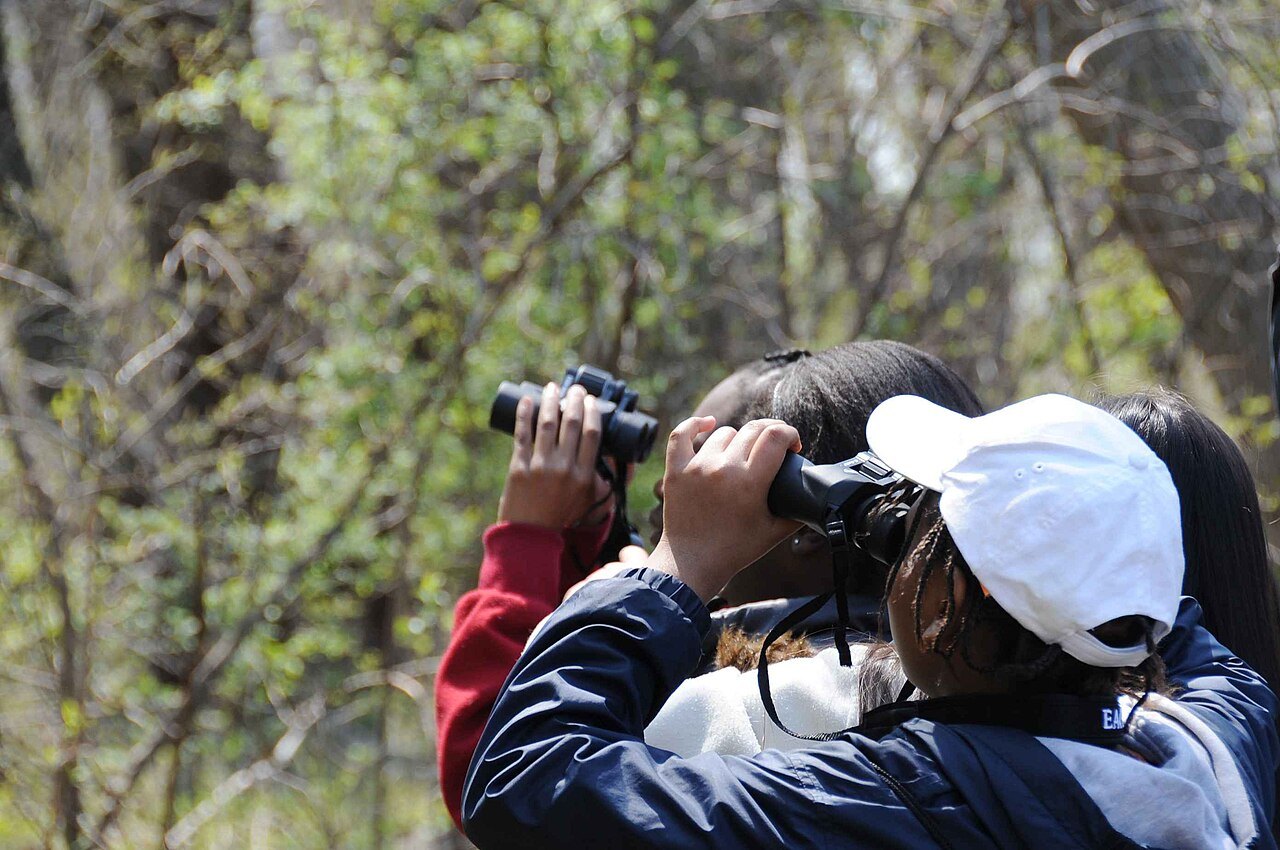
Watch movement and behaviour before worrying about a bird's name.

Time together
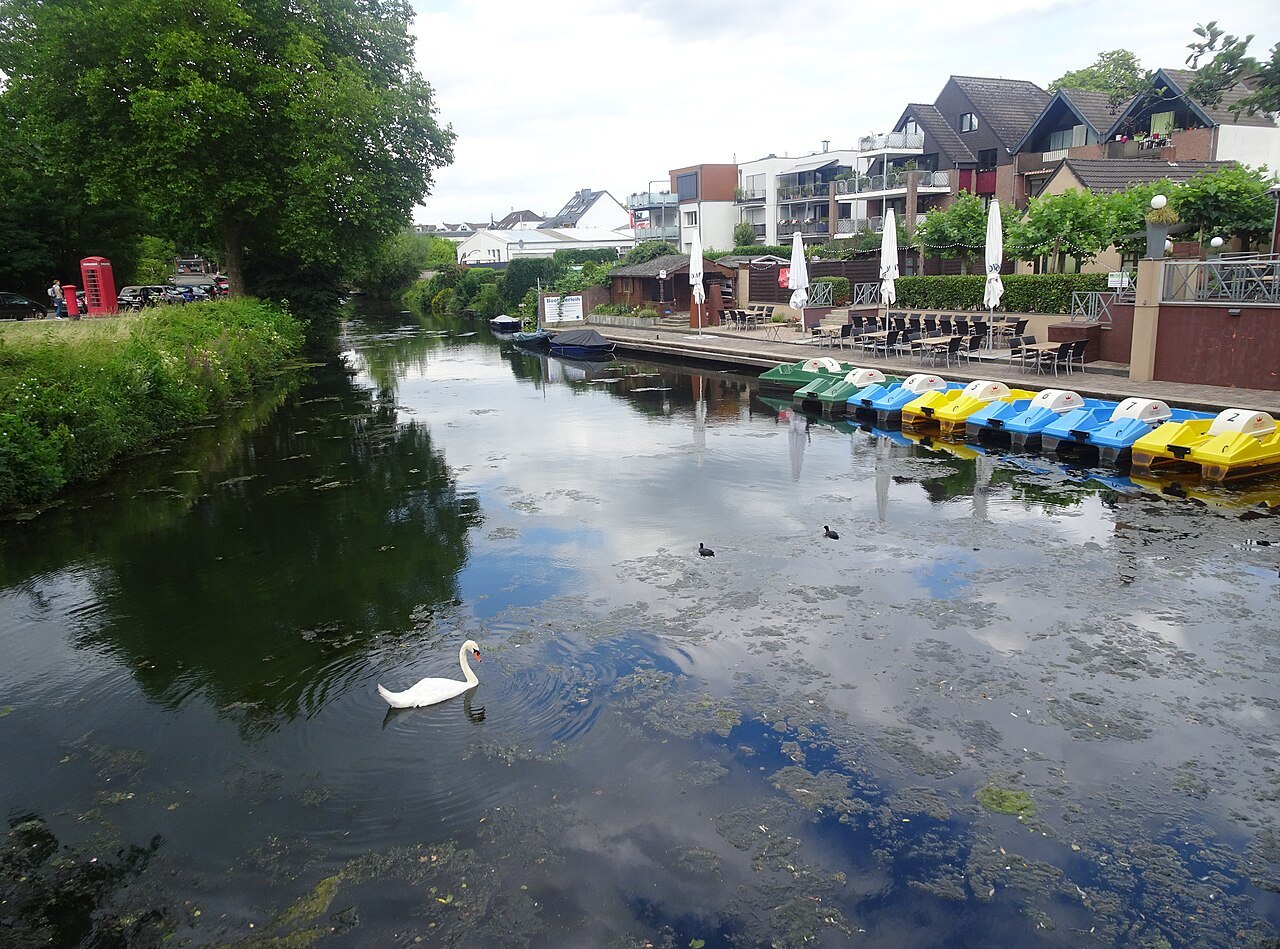
A small notebook can separate observations from assumptions.
Time together
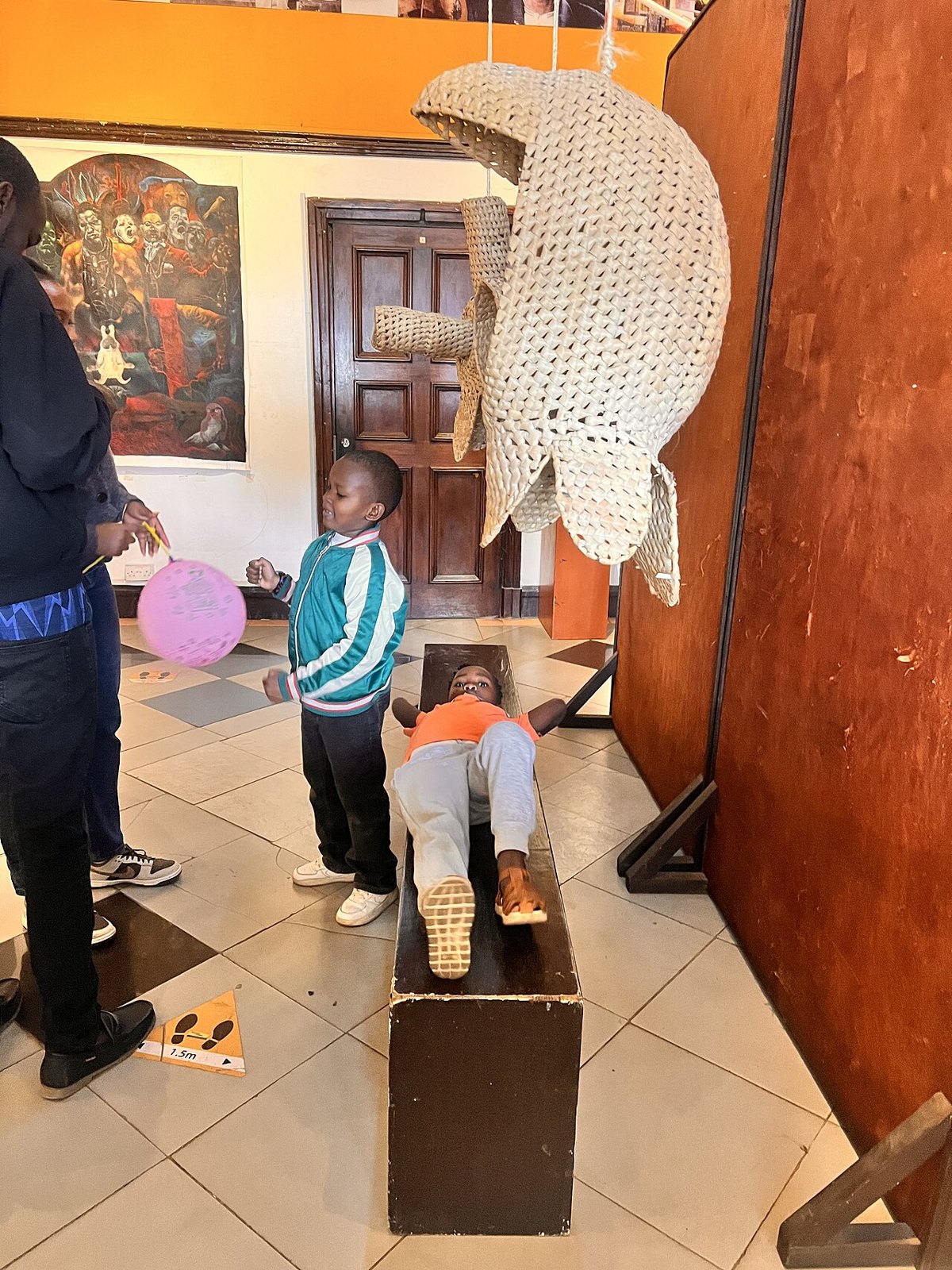
Five tasks change the way you look without requiring five new places.
Time together
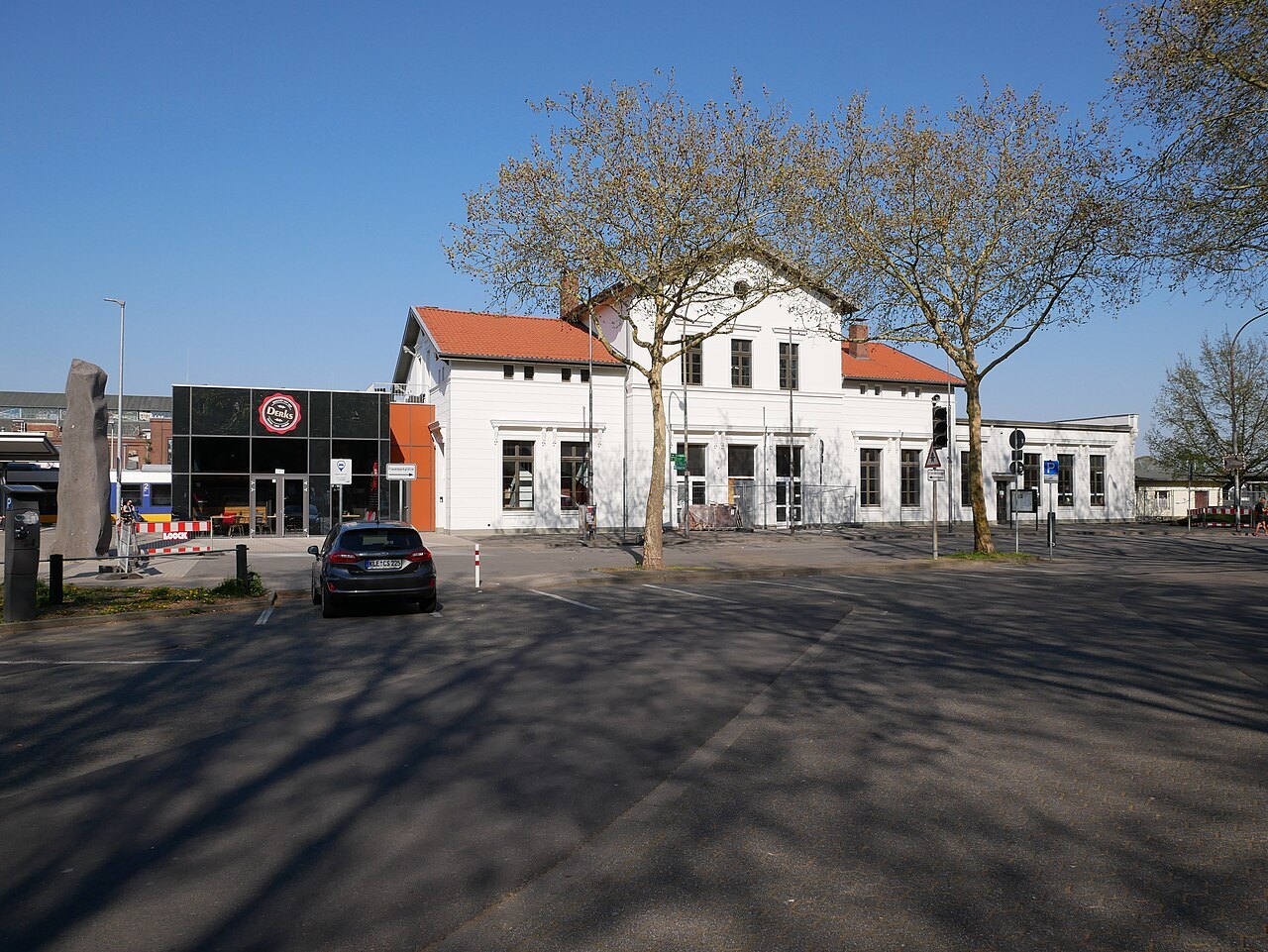
A small shared visit needs selection, movement and an option to finish early.
Before you go
For Kleve, the travel date, actual service and final approach all matter.
Before you go
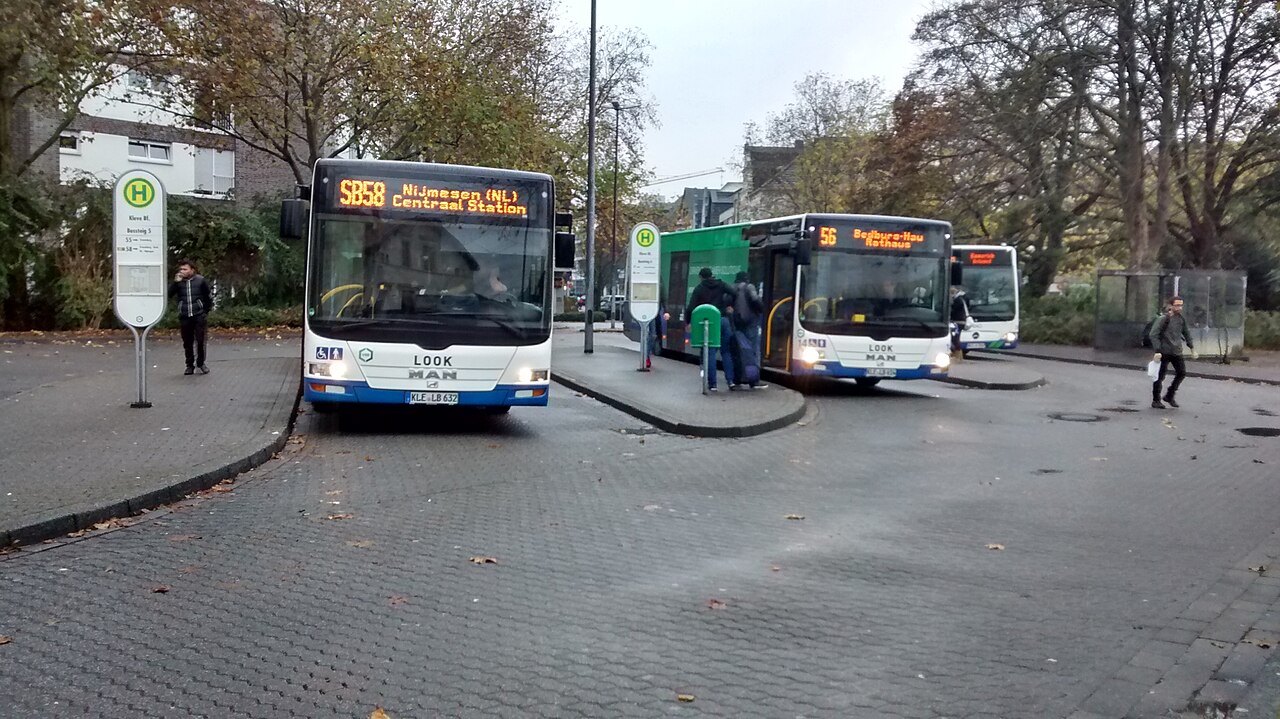
Stop, direction and return travel matter more than the line number alone.
Before you go
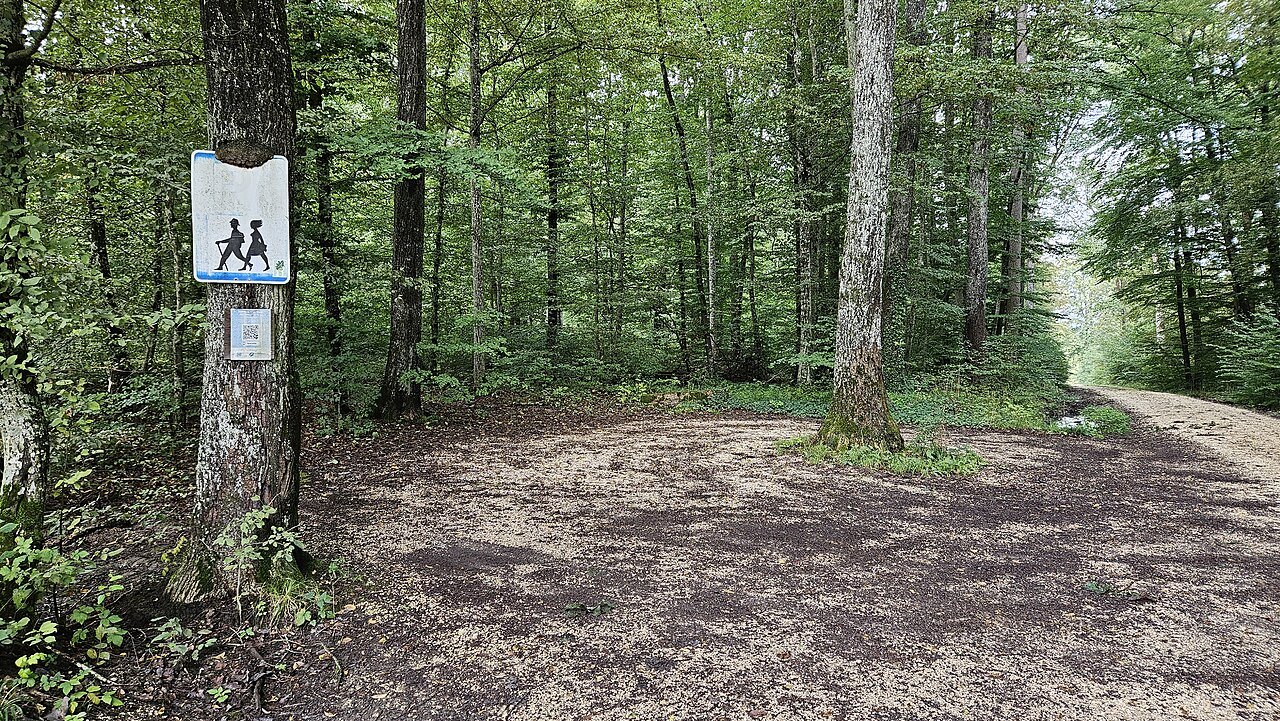
The best starting point serves the correct entrance and still works at the end.
Before you go
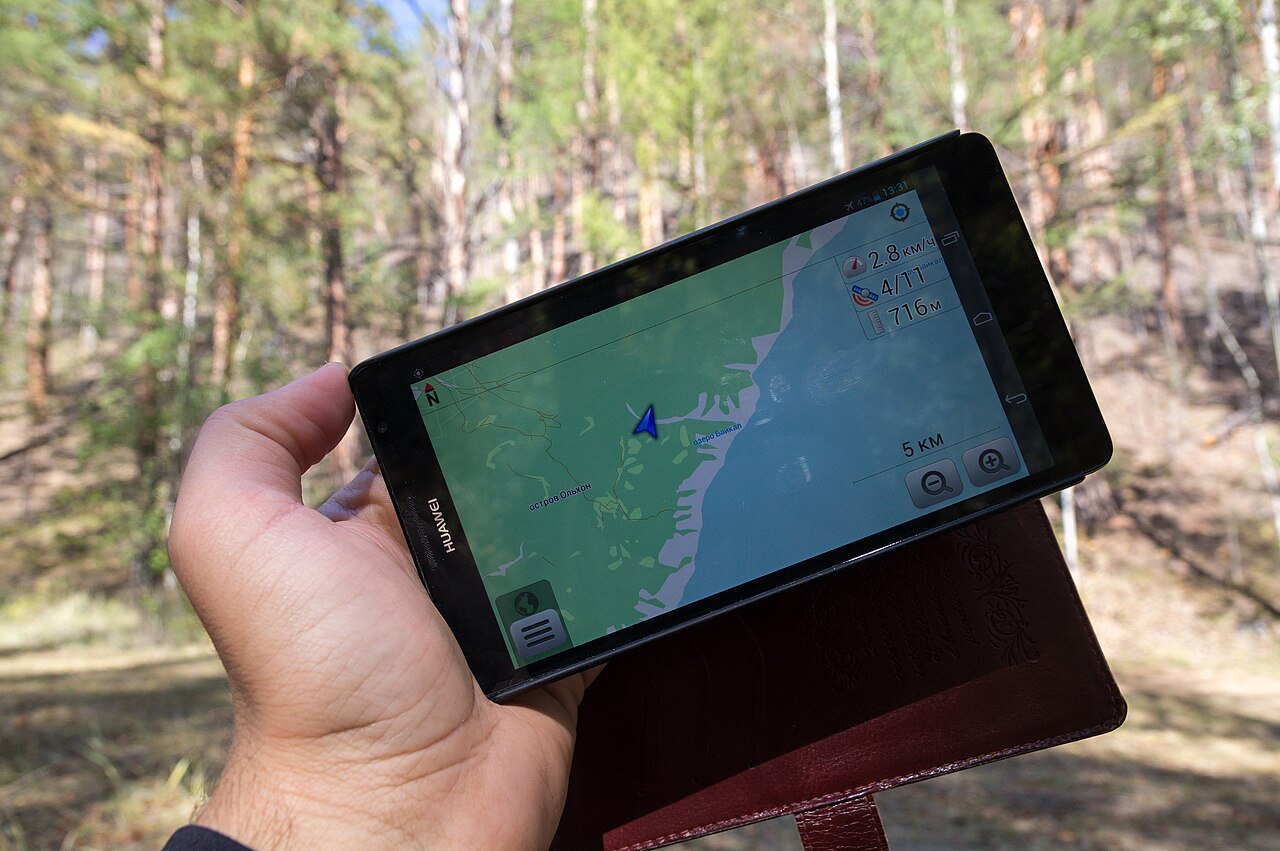
Maps, the return route and essential information should be readable without a connection before departure.
Before you go
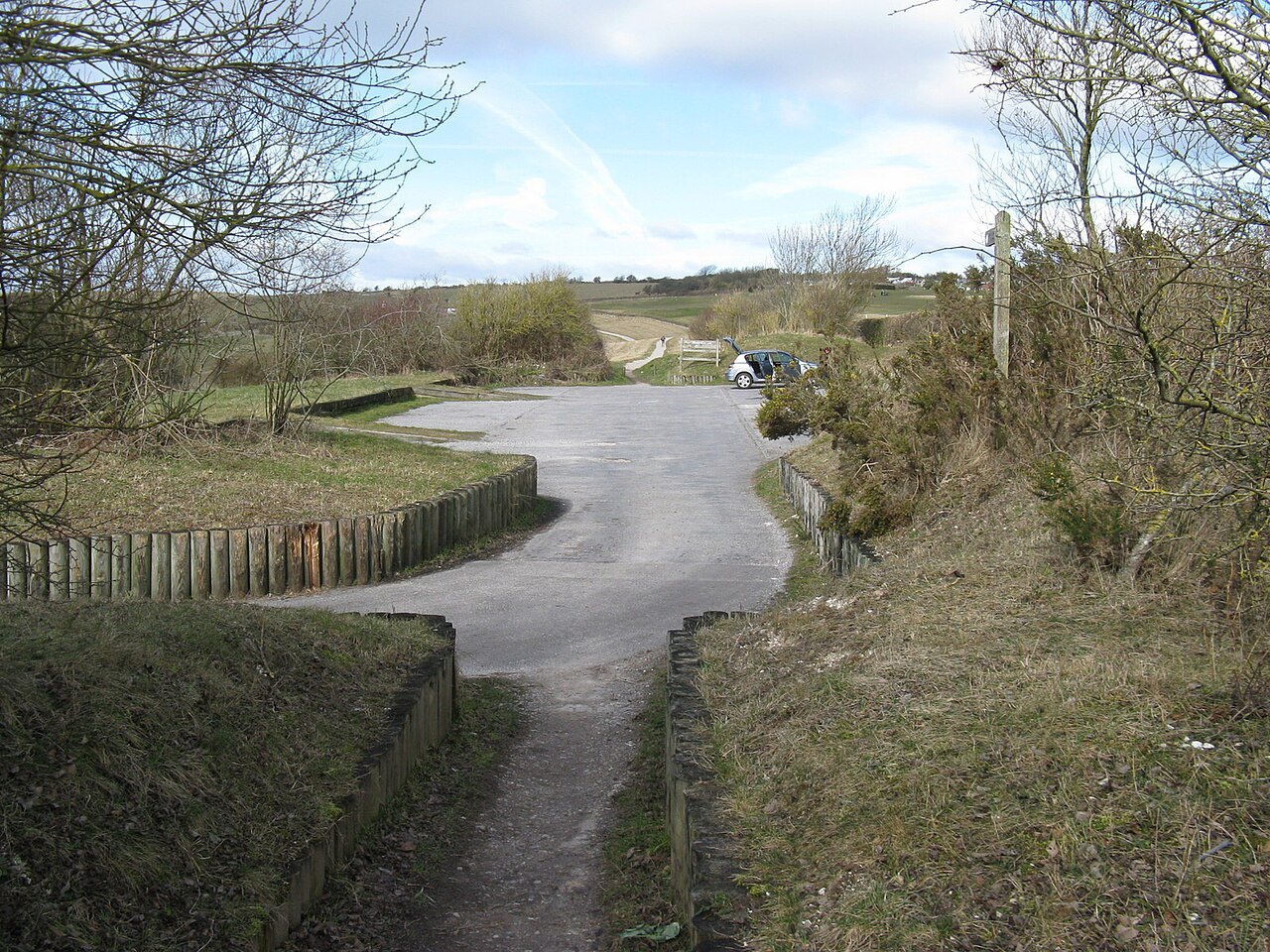
Specific dimensions and transitions help more than a general label.
Before you go
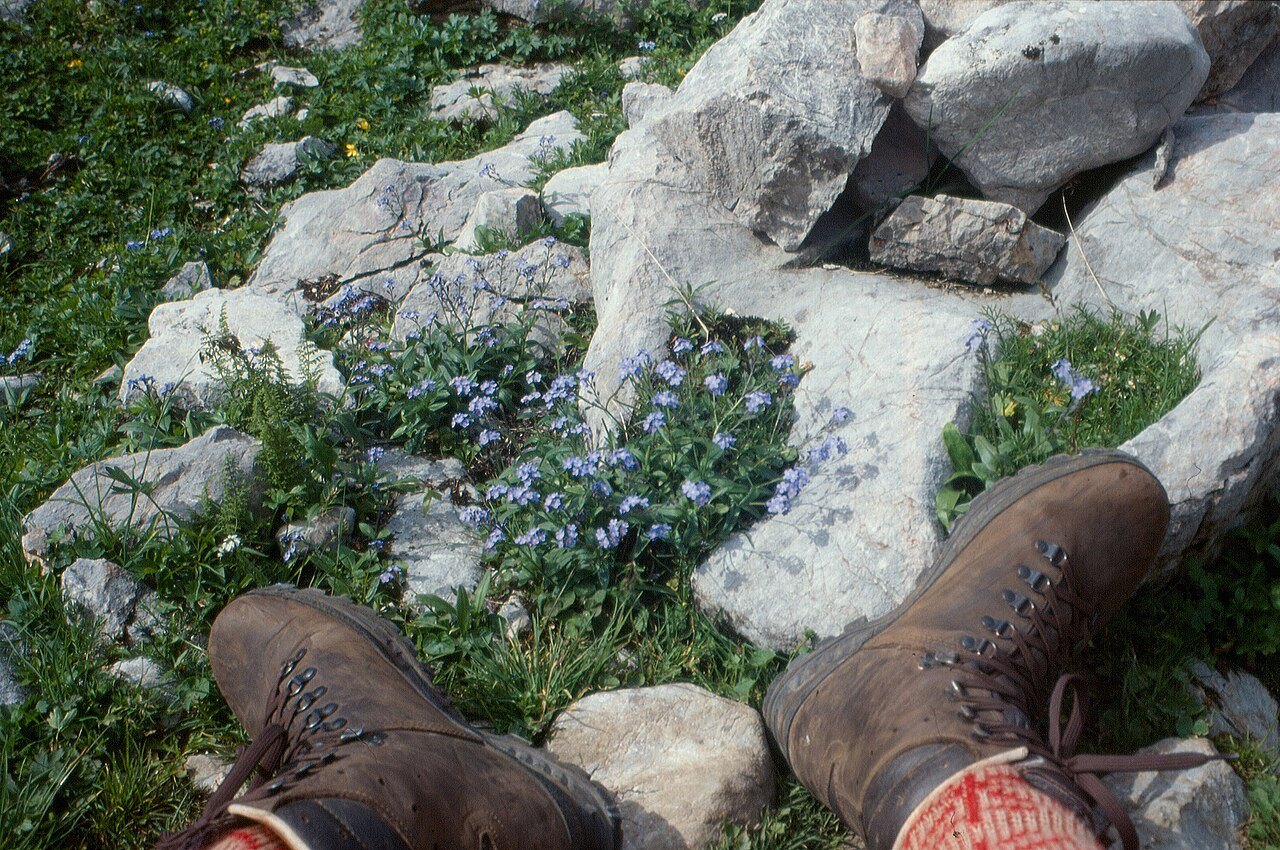
The route determines which features matter more than a hiking label.
Before you go
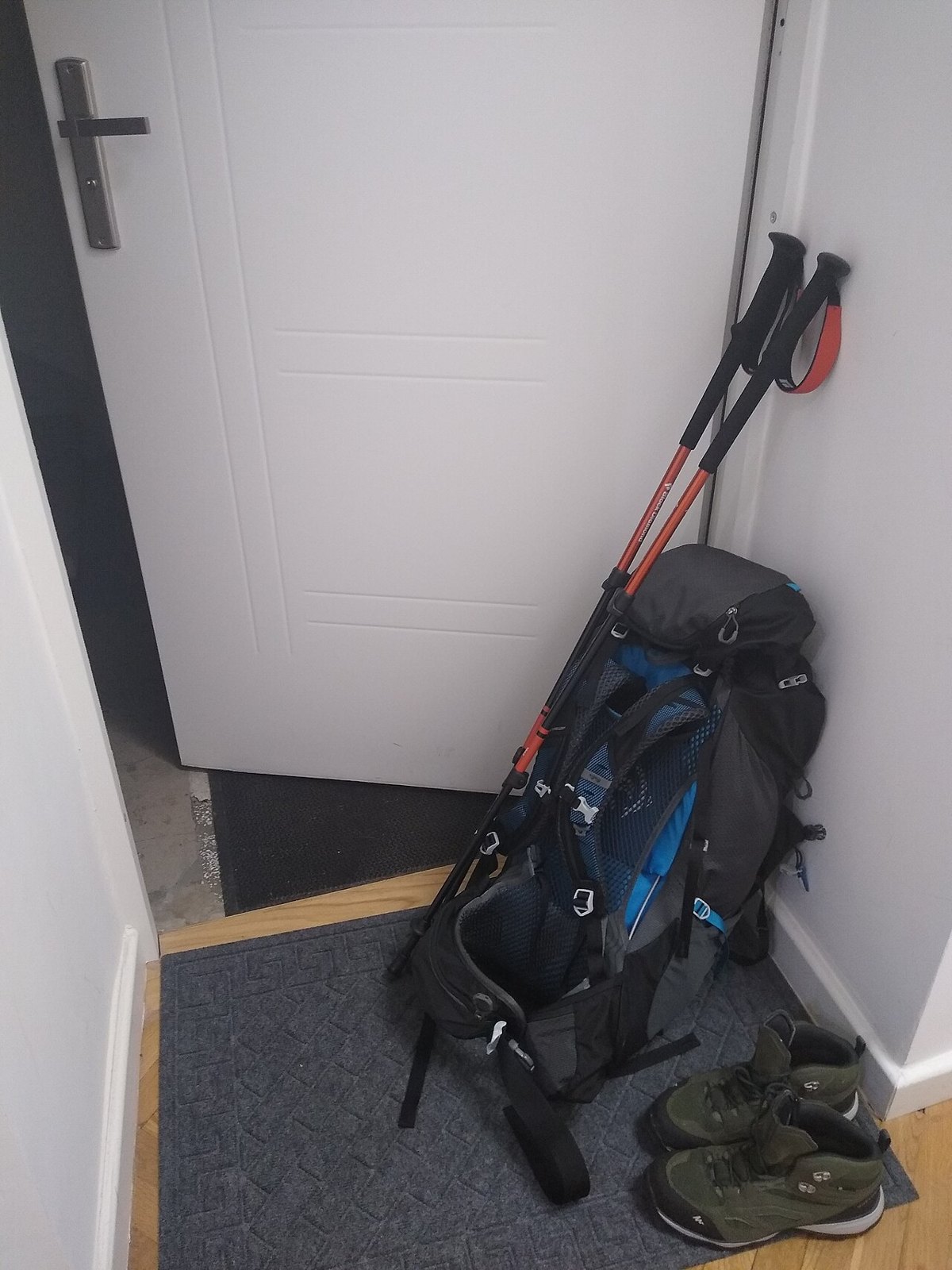
A day pack should support the outing you have planned, not every imaginable journey.
Before you go
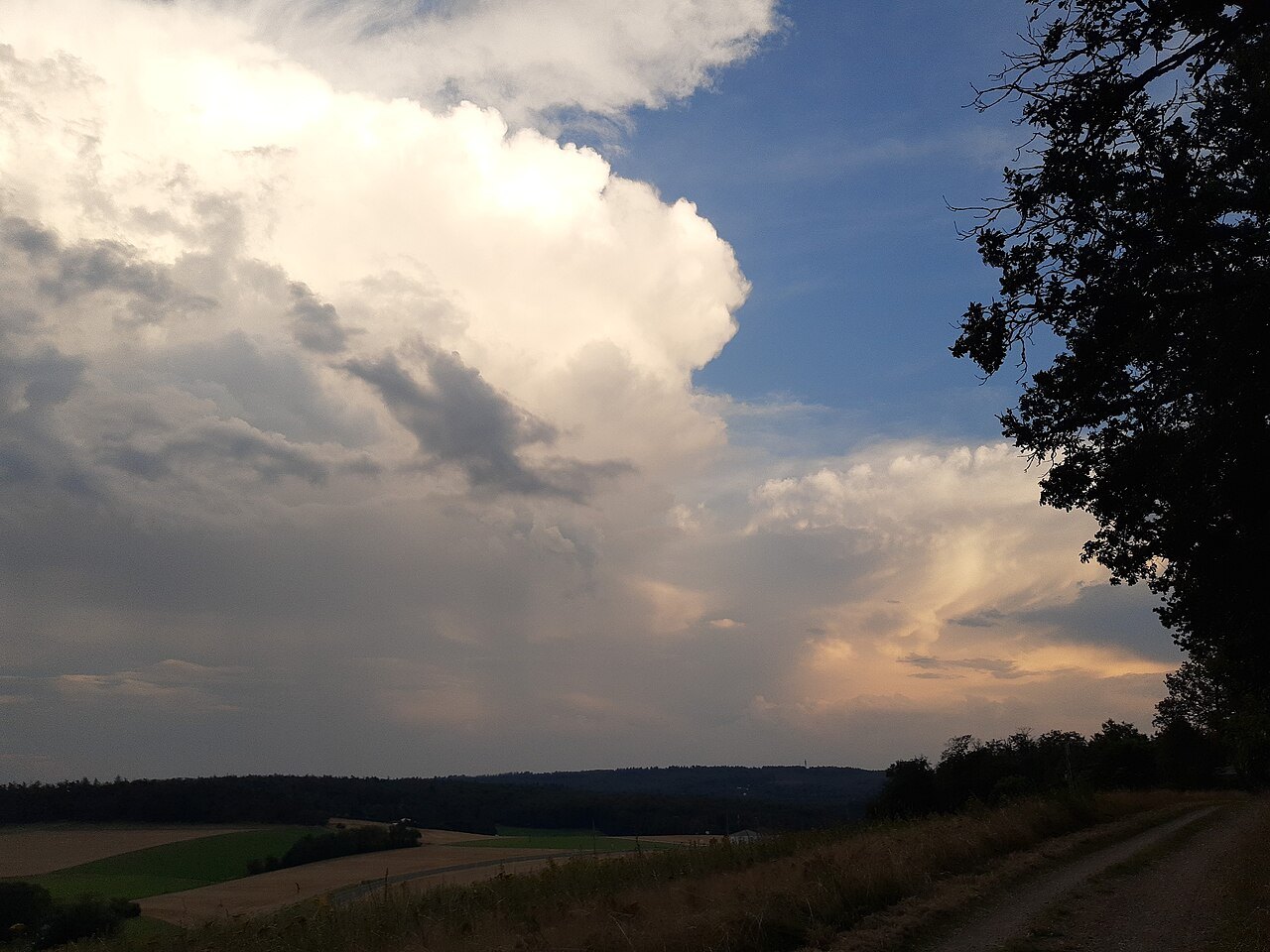
Forecasts, warnings and conditions on the ground answer different questions.
Before you go
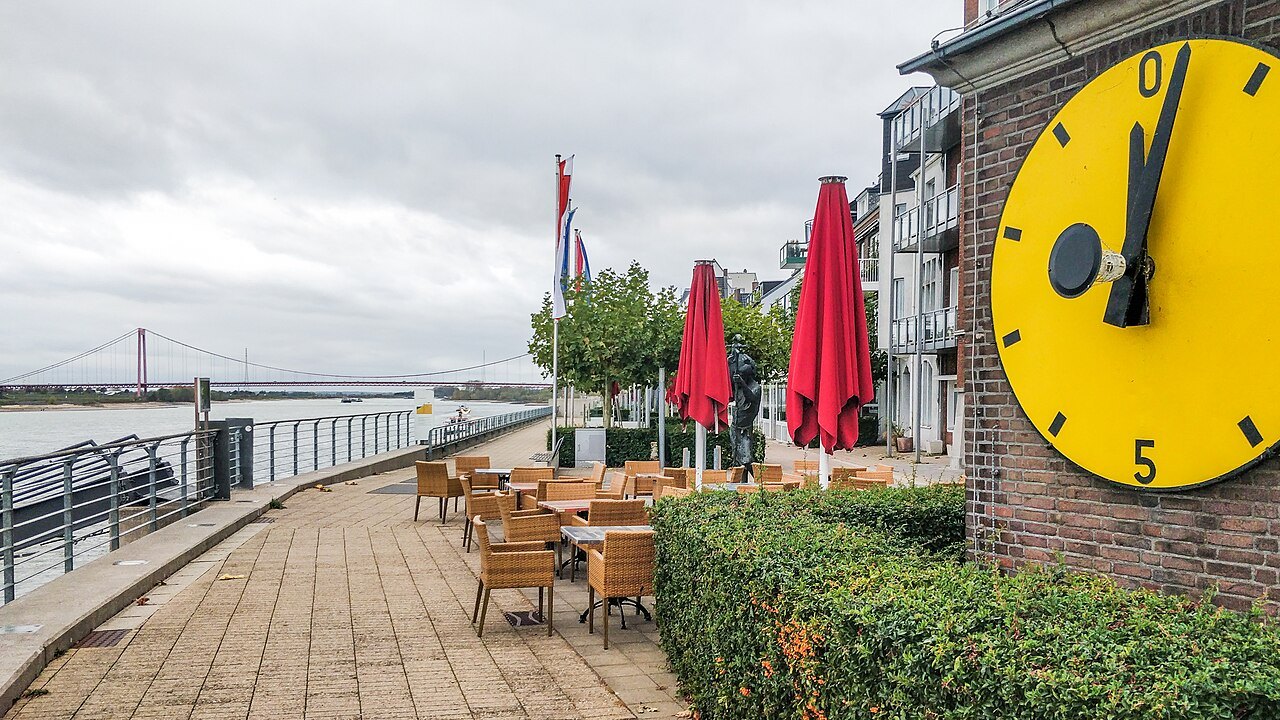
A gauge reading does not by itself establish whether a riverside path is open.
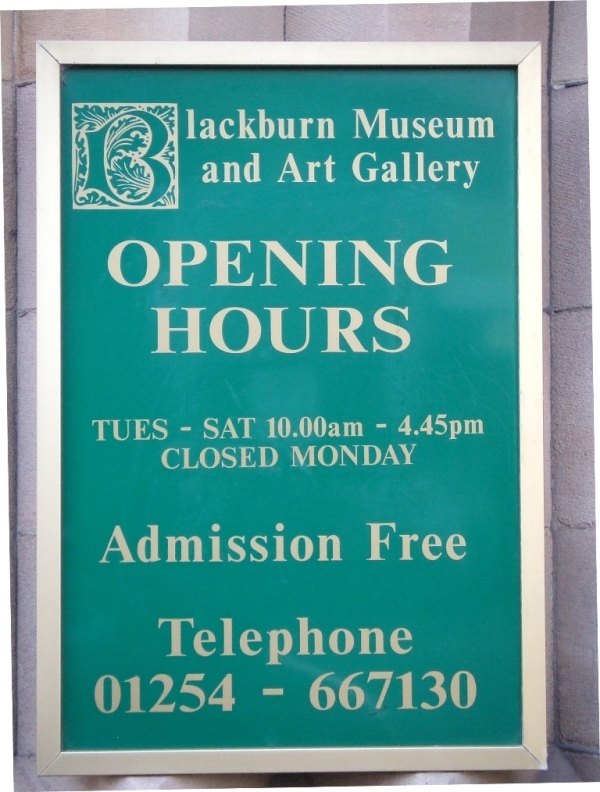
Before you go
Check regular hours, last admission and exceptional closures separately.
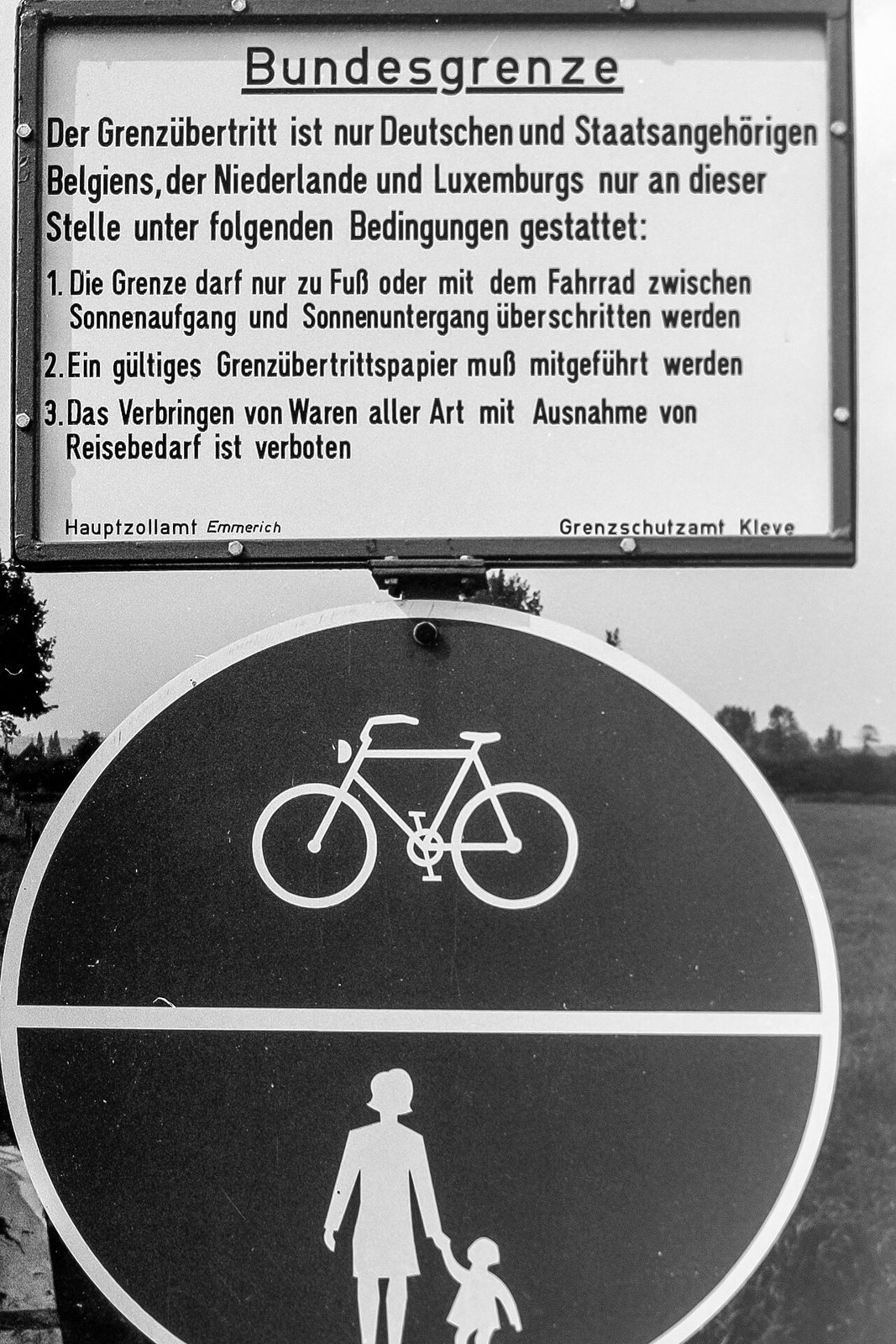
Before you go
A nearby Dutch destination still needs precise names, connections and access information.

Before you go
A clear budget separates fixed, variable and optional costs.
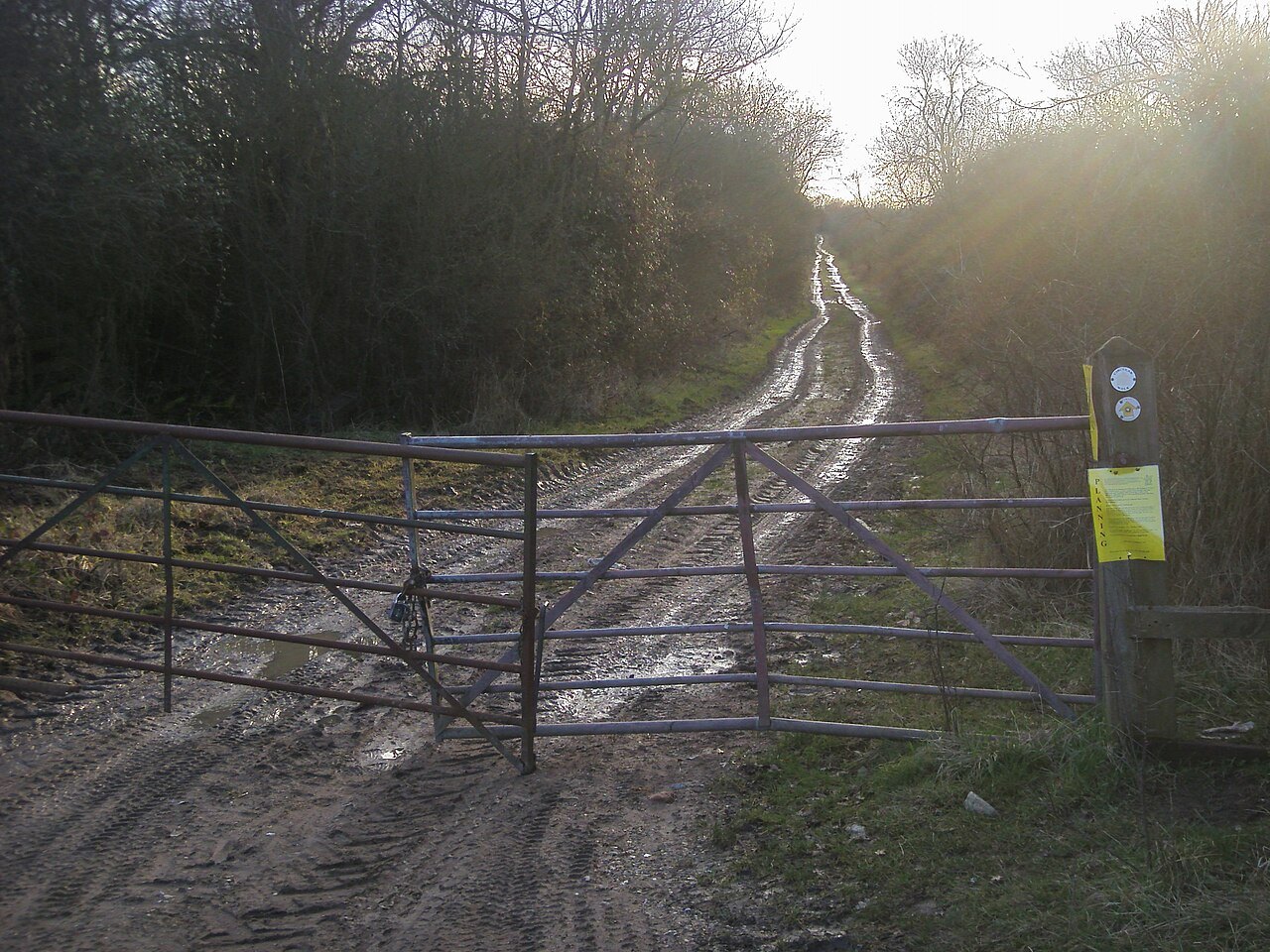
Before you go
A considerate visit allows everyday work, nature and quiet to continue.
No matching articles. Try another term or select all topics.


