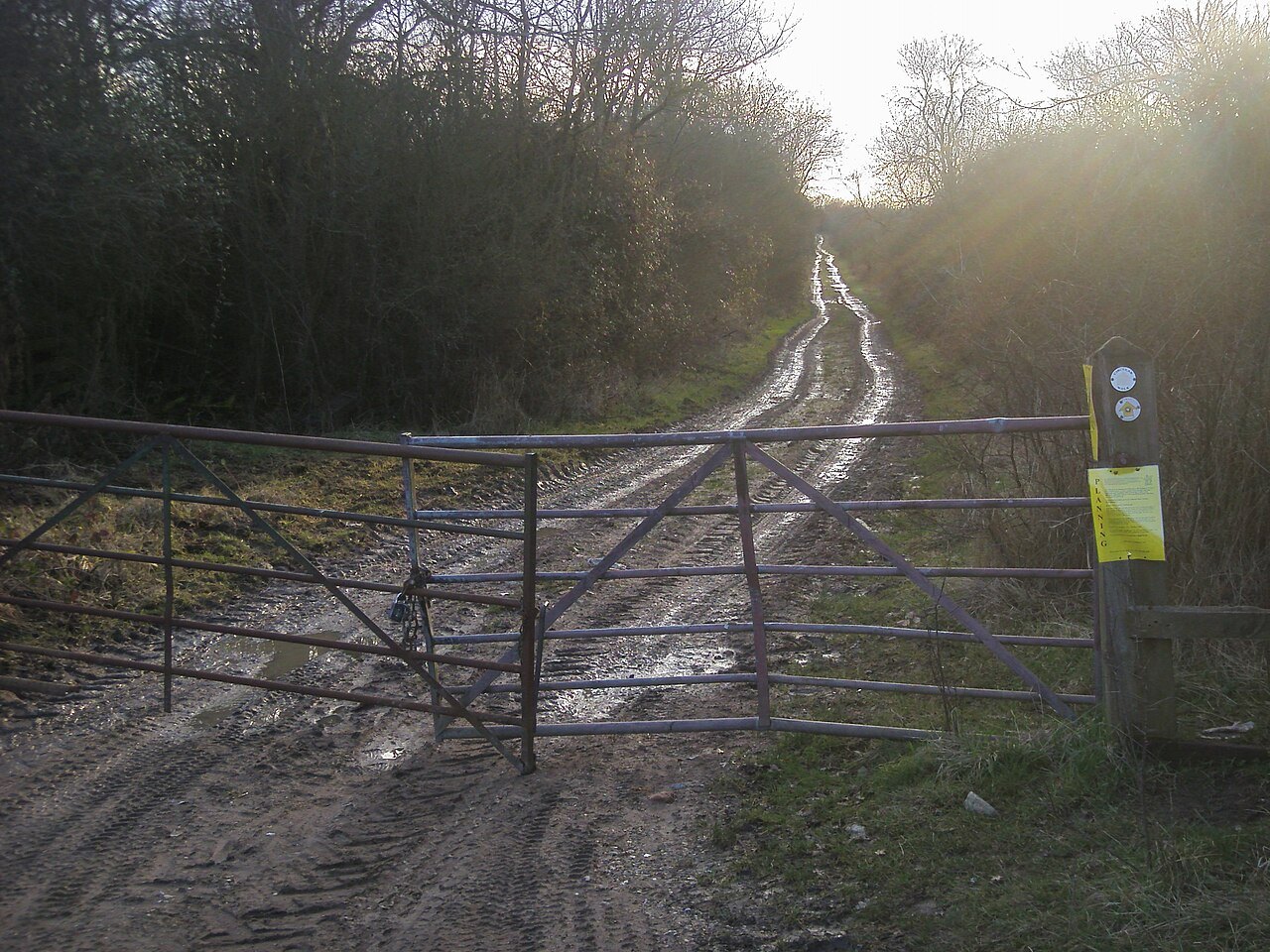

In the Lower Rhine, walking routes, farmland, historic buildings and protected nature often lie close together. To a visitor, the landscape can appear to be one continuous open space even though its parts have very different uses. Pay attention to actual routes and signs. An attractive view or a line in an app does not automatically make an area a public place to linger.
Entrances are working routes
Park vehicles and bicycles so entrances and passages remain clear. A brief photo stop can obstruct exactly the moment someone needs to pass. If no permitted space is available, continue elsewhere. Wanting a particular image does not take priority over the people using the place.
Do not enter farmyards, stable areas or private gardens without clear permission. An open gate may serve ongoing work. Observe buildings from accessible areas without photographing into windows or personal spaces. Historic architecture and present-day private life can occupy the same location.
Stay on the route where surroundings are sensitive
Respect protected-area rules and local closures. A shortcut across a field or meadow may affect farming or habitats even when nobody is visible. If a route becomes impassable, choose a confirmed alternative or turn back. Do not invent a replacement across neighbouring land.
The Schutzgemeinschaft Deutscher Wald's woodland guidance emphasises consideration for animals, plants and other visitors. This includes not using timber stacks for climbing. Keep noise appropriate and observe animals from a distance. Feeding or approaching them for a better photograph changes the situation rather than merely recording it.
Do not impose your programme on the place
A church may be needed for a service, a cemetery for personal remembrance and a bench for someone's necessary rest. Give others room and keep routes clear. If an intended activity does not suit the setting, move or shorten it. An outing need not leave visible traces at every stop.
Take waste and all belongings away again. Check the space after a break, however brief. When uncertain, ask the responsible person or organisation plainly. Consideration often consists of small choices: not moving closer, not becoming louder, leaving an entrance clear and accepting that an interesting place need not be entirely available to visitors.