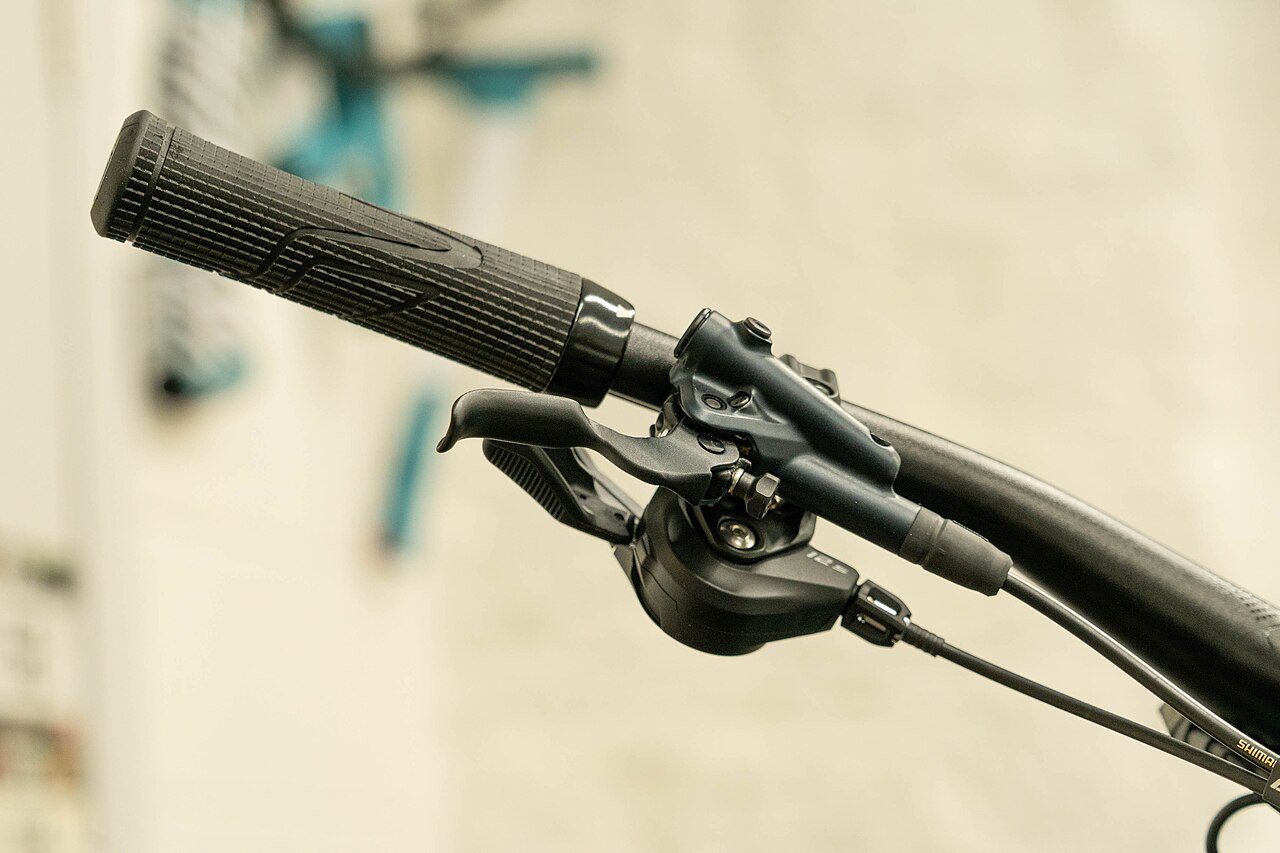

A bicycle that worked yesterday may have lost air today or acquired loose luggage during transport. A brief check before an outing takes little time and can reveal problems before the next safe stopping place is far away. It does not replace maintenance or professional investigation of unfamiliar noises. Its purpose is a clear decision: ready to start, a small understood correction needed, or repair first.
Begin with tyres and wheels
Inspect visible damage and check pressure according to tyre and rim requirements. Pressing with a thumb gives only a rough impression; an appropriate gauge is more accurate. Different tyre widths and loads need different pressures. Do not borrow an arbitrary figure from someone else's bicycle.
Check that wheels are correctly secured and rotate freely. This is particularly important after transport or wheel removal. If the axle fastening is unfamiliar, read its instructions or have the installation checked. A rubbing wheel does not become harmless because the noise is difficult to hear while riding.
Test each brake separately
Operate front and rear brakes separately while stationary, then test at very low speed in a safe place. The lever should feel familiar and braking should engage clearly. A suddenly changed pressure point, a lever reaching the grip or unusually weak braking requires investigation before departure.
Do not attempt to fix an unfamiliar hydraulic brake through random adjustments in a car park. Keep oil and lubricant away from brake rotors and pads. If brakes behave differently after transport, have the bicycle checked before the ride. The brief test should identify a fault rather than explore its limits through risky experimentation.
Steering, contact points and luggage
Check that handlebar and saddle are secure and that gentle movement produces no unusual play or cracking. Steering should remain free; a bag or tight cable must not restrict it. Inspect pedals, rack and bag attachments for obviously loose parts.
Turn the cranks carefully and check that chain and gears operate normally. Do not force the pedals if something catches. A familiar minor adjustment may be made at home; unclear damage calls for competent assistance. Tightening blindly without appropriate torque guidance can also create problems.
Consider visibility and the return
Test lights and bell and examine the existing reflectors. Even a daytime outing can finish in poorer light after delays. Rechargeable lights need more than enough power to illuminate briefly; charge must suit the expected use. This is separate from an e-bike's drive battery where the lights have their own power source.
Finish by checking helmet and clothing fit, clear vision and loose straps. Ride gently during the first few minutes and listen for changes. Stop if a problem appears only under load. A prepared route is no reason to accept an uncertain mechanical condition. Record recurring symptoms for the workshop rather than repeatedly treating them as normal before every ride. This also helps distinguish one newly developed issue from a sound that has already been assessed and explained by a competent mechanic.