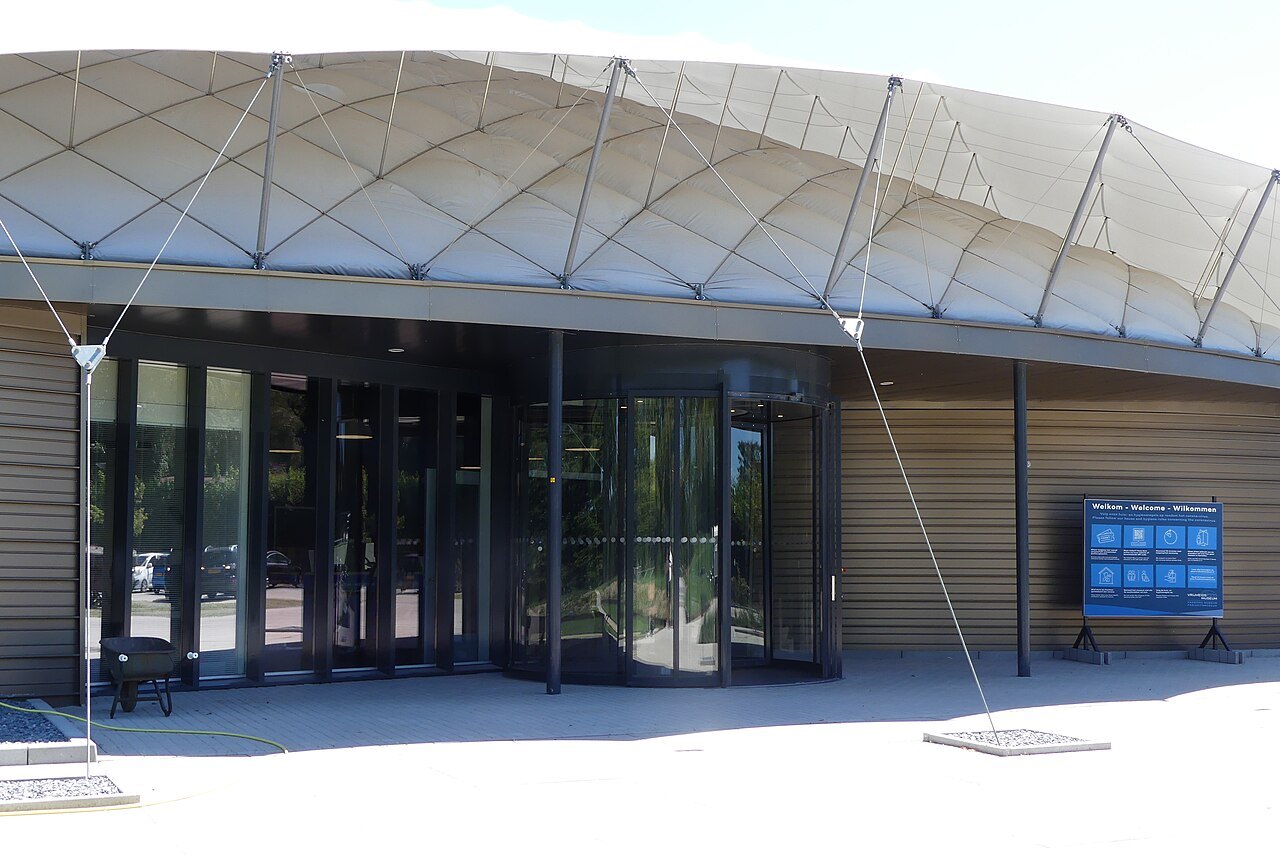

The Vrijheidsmuseum in Groesbeek considers war and freedom across borders. For visitors arriving from Germany, it is worth looking beyond familiar events. A more revealing question may be how different experiences are presented together and which sources support the account. One prepared question is more useful than resolving to read every panel in full.
Choose one question and look for two kinds of evidence
You might ask how an event changed civilian life or how people remembered it later. Then seek different kinds of evidence: an object, document, personal account or explanatory map. They do not all answer the same question. An object may reveal use, while a recollection conveys an individual perspective.
Notice dates, authorship and context. A contemporary statement and a memory recorded decades later are both valuable but are not interchangeable. Labels help distinguish these layers. If a display provokes a strong response, pause before moving on. More information does not indefinitely produce greater attention.
Across borders does not mean without differences
The museum's official description connects Dutch, German and wider European perspectives. That does not imply that all experiences were the same. Compare the position a person occupied in the situation described and the choices available to them. Avoid quick equivalences that obscure different responsibilities or living conditions.
A conversation afterwards can begin with a specific observation: which source changed an assumption you had brought with you? This is more productive than demanding an immediate overall verdict. People visiting together may remember different displays. They need not all choose the same emotional or historical emphasis.
Reduce the organisational burden
Check the official travel information for Groesbeek and current roadworks or diversion notices. A connection saved during a previous trip may no longer be suitable. Establish language options, visiting times and special offers directly with the museum. For children, check the suitability of the particular programme instead of assuming that any museum automatically makes a family outing.
Avoid placing another appointment immediately afterwards. A drink, a quiet pause or writing down a question together can form part of the visit. If you want to pursue something further, record the source's description rather than only taking a general photograph of the exhibition. That makes later research possible without trying to retain the entire quantity of information at once.