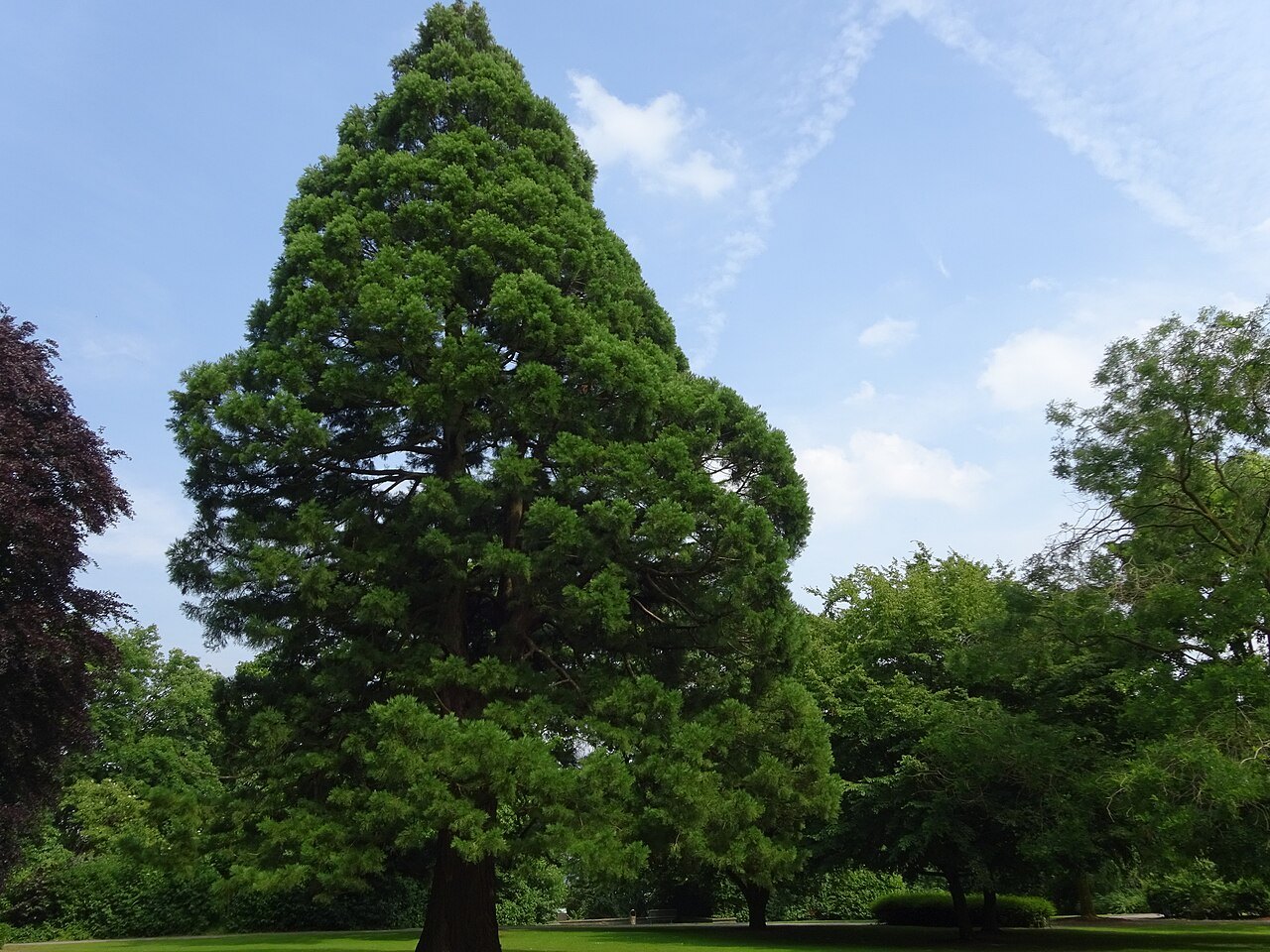

Moritzpark in Kleve's upper town can provide a break during a walk through the centre. Its name also points towards an older design idea: Johann Moritz von Nassau-Siegen connected his residence with a garden landscape. Distinguish the park as a place to spend time today from that historical setting. Not every visible planting is an unchanged survival from the seventeenth century.
Reading a connection that has partly disappeared
Kleve's tourism information links Moritzpark to the former Prinzenhof. A Baroque pleasure garden once extended here, but the original grounds were destroyed in the Second World War. Today's green space recalls that history while serving as a place for walking and everyday relaxation. Remembrance and present-day use can coexist.
A historical plan can help if one is explained on site or in the official documentation. Compare relationships before individual trees: where is the town, where does the ground open out, and which direction receives emphasis? A plan may reveal an earlier intention without requiring every former feature to be found in its present surroundings.
A view is a choice
Find a point where you can look beyond the immediate park. Stand still first and consider what limits the view. Buildings, tree crowns and the shape of the ground can form a frame. Move a few steps and see whether the same composition still works. This makes it clear that a viewpoint depends on more than simply being high up.
For a photograph, the framing can be more interesting than the widest possible unobstructed outlook. Including part of a path or a tree at the edge shows the space from which you are looking. Avoid entering planted beds, crossing barriers or stepping onto private land for an allegedly better picture. The perspective actually available to a visitor is part of what the image communicates.
Let the park be a place of its own
After visiting a church or the castle, there is no need to force another full historical tour into the day. A seated break and one deliberately chosen view can provide an ending. Events may change how the space is used, so check ahead if quiet is particularly important to you.
With children, ask what distinguishes a park from an empty area. Paths, seating, shade and opportunities to look out are things they can compare directly. Moritzpark then becomes neither a substitute for a lost palace nor an anonymous patch of greenery. It shows how a town translates an earlier landscape idea into a place that people can use in the present.