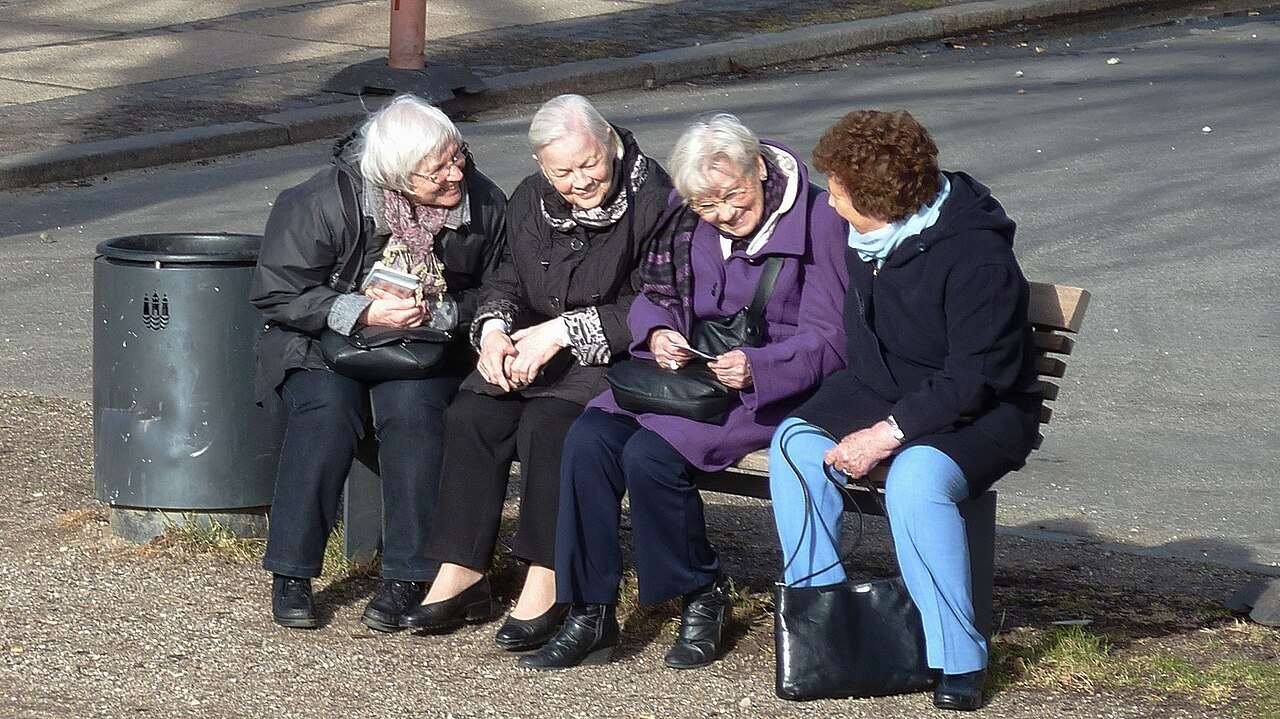

On an outing involving several generations, age says little about who wants to walk far or stay long in a museum. Ask about actual needs and interests. One person may need regular seated breaks, another may mainly want to be outdoors, and a child may be interested in one interactive activity. Build the shared plan from that information rather than categories such as young and old.
Three questions before choosing the destination
First ask what each person would enjoy. Then establish what is necessary for a comfortable visit: short distances, seating, particular toilet access or limited crowding. Only third consider optional extras. This keeps essential conditions separate from casual preferences.
Record the answers specifically. Instead of a vague request for accessibility, someone may mean avoiding a long staircase while being comfortable with a few steps. Rather than a general child-friendly label, the important thing might be movement after a quiet indoor visit. Precise descriptions allow more useful questions to the operator.
A shared core and a real choice
Choose a section everyone wants to experience together. A short optional extension can follow if there is a suitable meeting point and dependable time. The shorter option should have equal status rather than being described as waiting for the real visitors.
Xanten Archaeological Park's official information covers mobility, seating and supporting services. Such details help planning but do not replace checking the actual route. A large site may have substantial transfers despite accessible facilities. Select areas to suit the group instead of turning the complete offer into an assignment for the day.
Adjust during the day
At a break, ask whether the next section still suits everyone. An extension originally requested can be dropped. Avoid decisions in which someone feels obliged to agree despite being tired. Offer concrete alternatives: one more room or the exit together, a short loop or the break now.
If splitting up, agree the exact meeting point rather than only a building name. Keep contact arrangements available, and do not separate when someone needs accompaniment. What matters at the end is whether the shared time was enjoyable. The number of stops visited is not a reliable measure of that.