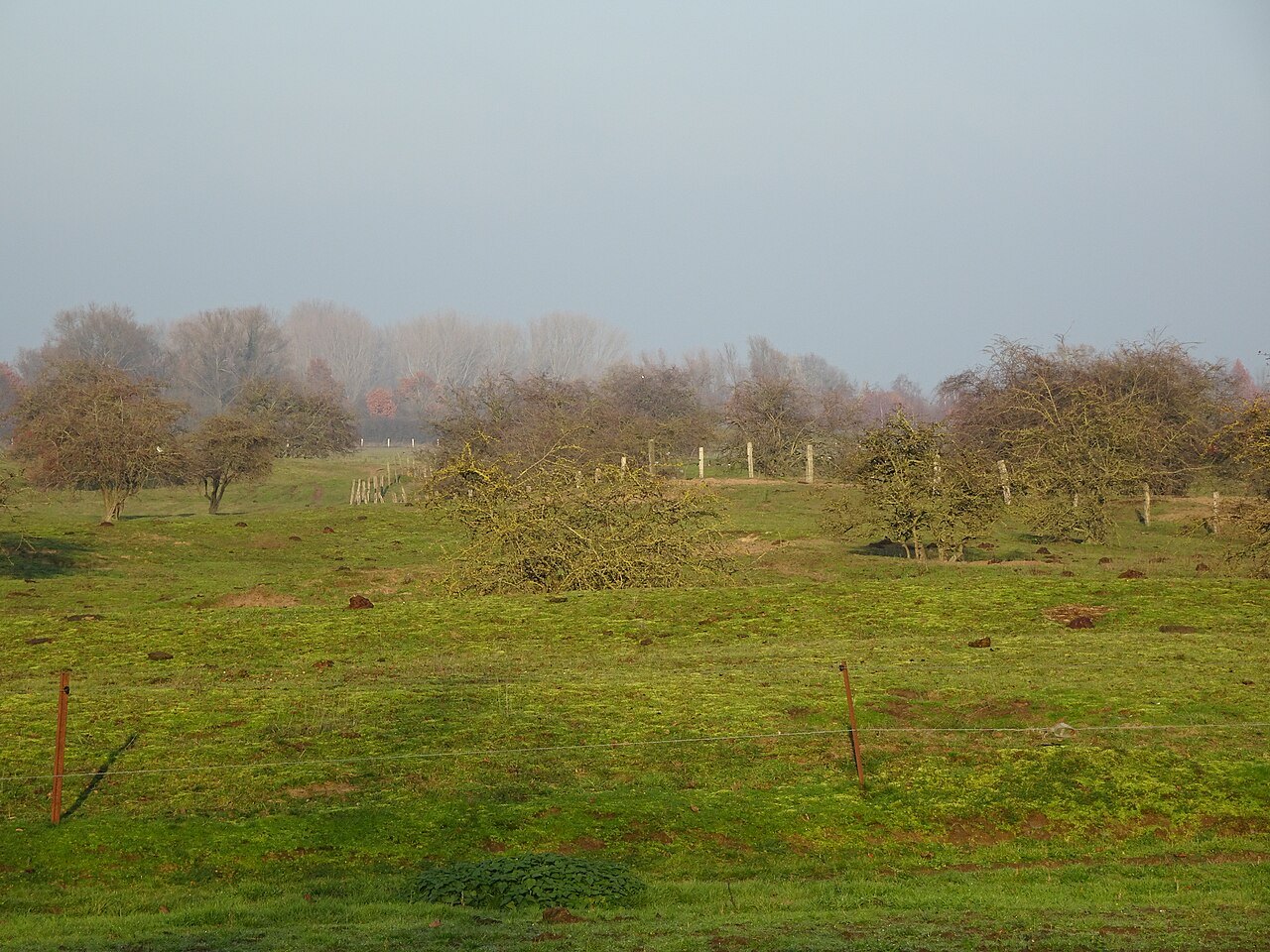

Dunes on the Lower Rhine can be surprising if you associate sand hills mainly with the coast. Wisseler Dünen near Kalkar, however, form a river-sand landscape. Official tourism information points to walking paths and interpretation panels within the area. A visit is therefore suited to examining ground and plants closely, rather than walking freely across every sandy patch.
Keep two neighbouring destinations distinct
Wisseler Dünen and Wisseler See are different destinations. A plan for the bathing beach does not identify a suitable entrance to the reserve. Check your chosen starting point against current local information and follow the signs on arrival. One outing may include both themes, but access and permitted activities need to be established separately.
The word dune should not create expectations of enormous ridges either. Small differences in height and low vegetation are part of this landscape's character. Allow time to compare surfaces from the path: exposed sand, more heavily vegetated patches and transitions between them. You do not need to cover a great distance to notice differences.
Do not overlook small plants
North Rhine-Westphalia's habitat information describes open sandy ground with specialised plant communities here. Low growth does not mean a surface can withstand unrestricted use. Avoid sitting in apparently empty vegetation to take photographs, and do not collect plants or sand samples.
For a simple observation exercise, look at one small area from the path for several minutes. Which plants stand separately, and which form denser groups? Are there open spaces between them? Without an identification guide, begin by describing growth forms. Later, compare a photograph with the interpretation panel. Uncertainty about a species is not a failure of the visit.
Plan for an exposed place
Shade is not available everywhere on a sunny day. Start with a filled water bottle and choose the length of the walk according to actual conditions. Wind may make another layer useful even when the temperature in town suggested otherwise. Include a sheltered stopping place outside sensitive ground in the plan.
If choosing a longer connection from Kalkar, count the outward and return journeys in addition to time spent in the dunes. A regional walk description may connect several landscapes without promising a short circuit immediately around this destination. Decide beforehand whether the dunes are the main purpose or an intermediate stop. This leaves time to notice the unusual ground forms rather than merely passing them at the end of an overlong outing. A final photograph showing sand, vegetation and scale together can preserve that distinction better than a close-up without context.