
A circuit with few kilometres can still be awkward if it cannot be shortened sensibly along the way. For a relaxed cycling day, plan one or two confirmed return links as well as the outer loop. A useful shortcut genuinely returns to the starting point without introducing new difficulties. It is more than a straight line across the middle of the map.
Draw a main loop and an internal link
Begin with an accessible start where bicycles can be prepared. Choose a manageable circuit on suitable paths, then find an internal connection branching off before the farthest point. This lets the decision happen early enough, rather than after the group already faces the long return.
For an invented example, the main circuit is 24 kilometres. After eight kilometres, a confirmed six-kilometre return becomes available. The short version therefore totals fourteen kilometres. This calculation is more useful than calling something a small shortcut without knowing its length. Travel to and from the starting point adds to both options.
Make the decision point recognisable
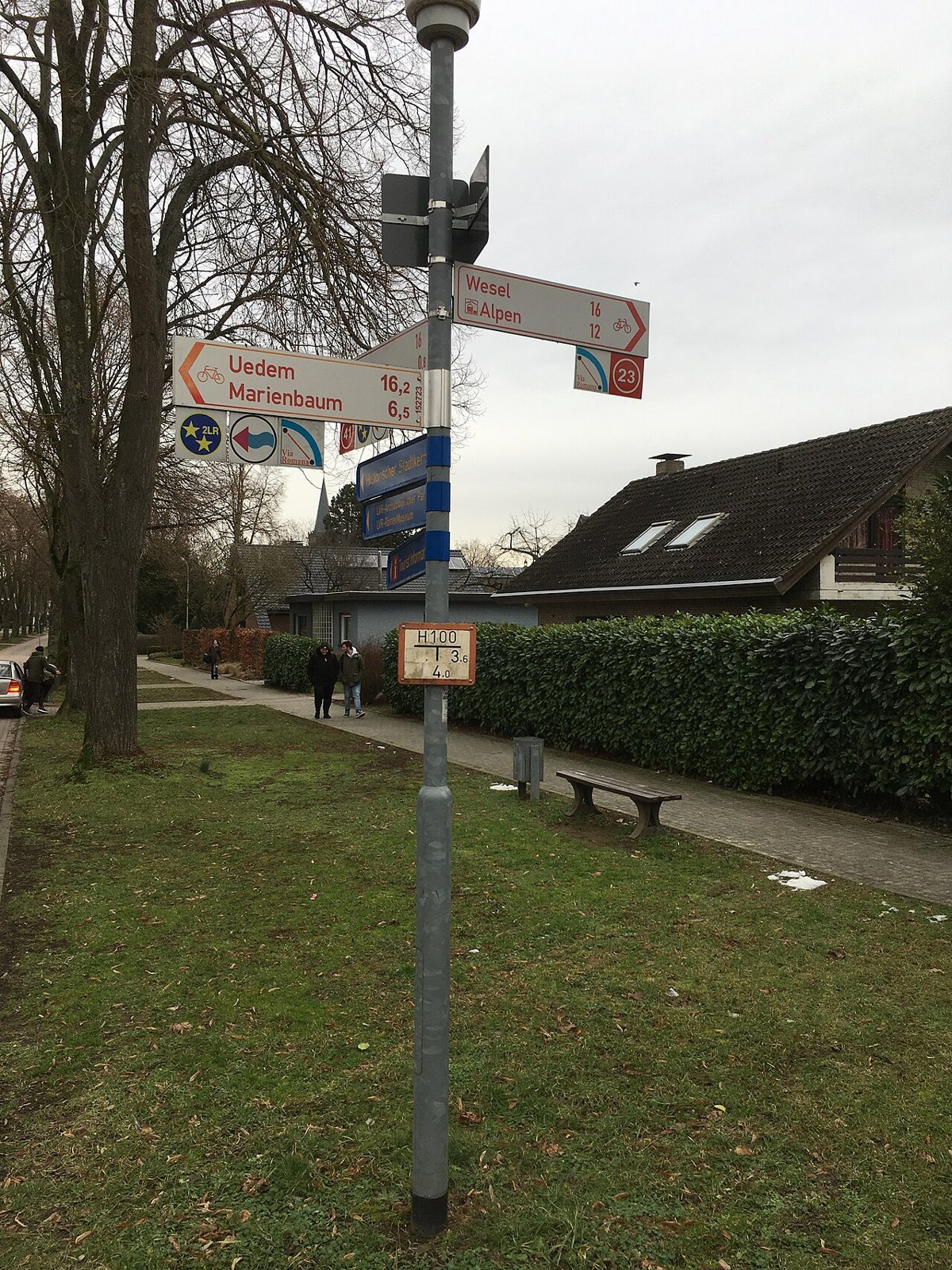
Save the junction as an unmistakable place, such as a numbered cycle node or specific crossroads. Record which direction the short option takes. A dot on a display may be difficult to relate to the ground, particularly where several paths lie close together.
Discuss the point with everyone before leaving. Decide there according to time, weather, energy and, where relevant, battery charge. The shorter option is a normal component of the plan, not evidence that the outing failed. Making this clear beforehand encourages an honest assessment during the ride.
Check the return as thoroughly as the main route
A shortcut along a busy road or soft woodland track may not suit the group. Confirm surface, permitted use, crossings and any ferry dependence. A return designed for tiredness or poor weather should not rely on an unverified crossing.
Set a latest decision time as well. If long breaks have already consumed much of the day, the short version can still provide an unhurried return. Keep a snack available so that the choice is not made entirely under the influence of hunger. Afterwards, compare planned and actual duration. This improves the next circuit without artificially increasing its distance. Preserve both versions on the map, clearly named, so that an automatic navigation recalculation does not silently send the group back onto the longer loop after the decision to shorten has been made.