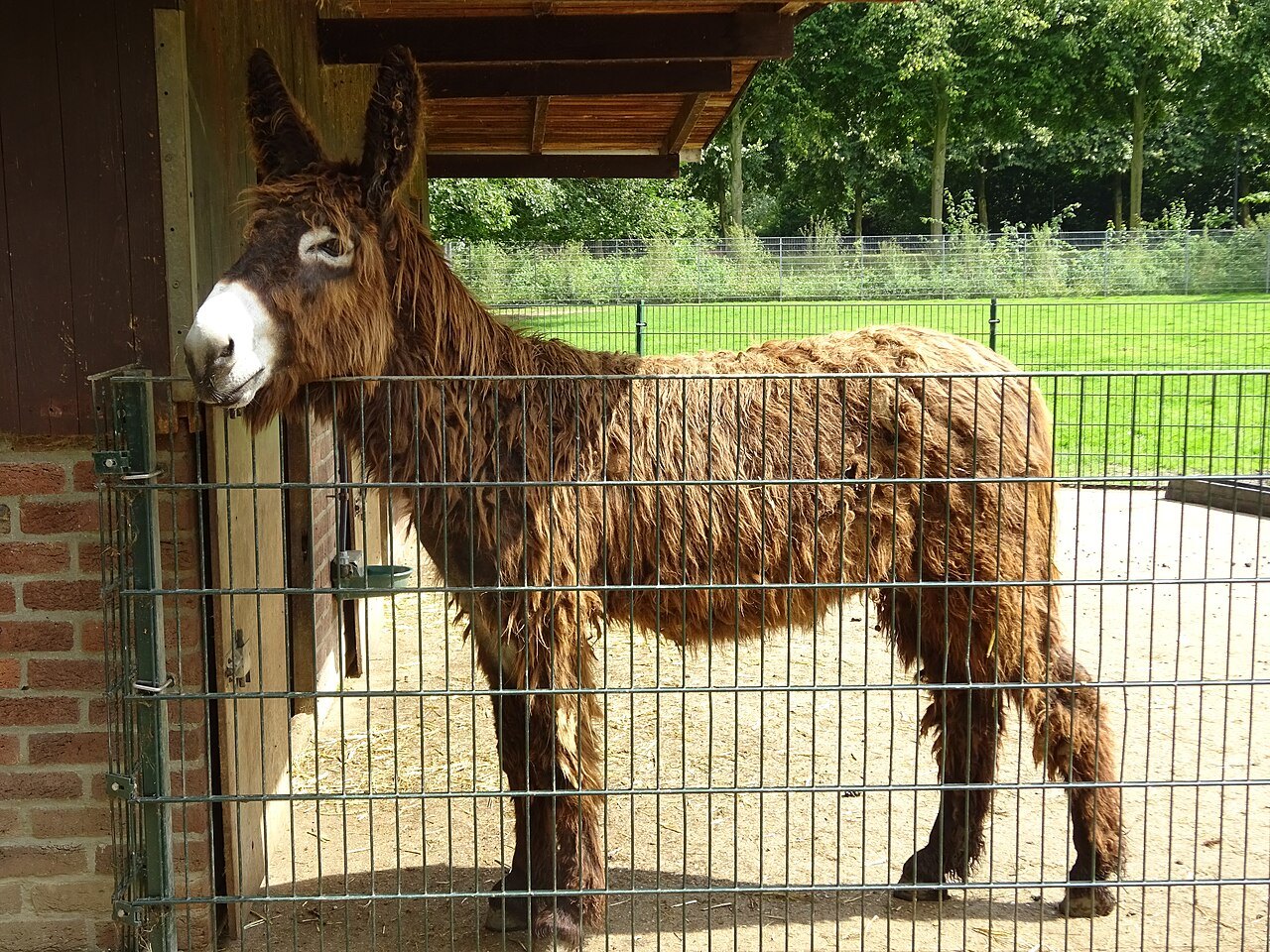

A zoo visit becomes easier to plan once you know what interests your group. Do children mainly want to watch animals, are you interested in enclosure design, or should the outing leave room for shared discoveries? At Tiergarten Kleve, it helps to ask these questions before trying to cover every part of the grounds. Animals do not arrange themselves in visible positions to suit visitors' schedules.
Watch a small selection closely
Check the operator's current animal information beforehand and select a few possible interests. Do not turn them into guaranteed sightings. If one animal stays hidden, another enclosure may offer a better opportunity to observe. Wait quietly and notice movement, feeding or changes between resting places rather than calling to provoke a response.
For children, a descriptive question works well: how does the animal move, and which parts of its body does it use? That is something they can see. Asking whether it looks “happy” can instead encourage assumptions based on human expressions. Read the enclosure information together and distinguish what is happening now from general information about the species.
Keep feeding within clear limits
The visitor rules permit feeding only where enclosure signs allow it and only with the designated food bought at the entrance. Food brought from home and plants taken from the beds are unsuitable. Explain the rule before the first encounter, rather than having to withdraw a piece of bread that is already being offered.
Even an apparently familiar animal may react unexpectedly. Supervise children closely and follow instructions on site. Being near an animal does not create an entitlement to touch it. If a child feels uneasy, watching from a little farther away is an equally valid way to join in.
Leave space in the day
Check admission arrangements, opening times and travel information on the operator's website. The visitor rules do not allow guests to bring their own animals, which matters if you were hoping to combine the zoo with a dog walk. Do not assume that you can leave midway and return on the same ticket; establish the current arrangement first.
Take a break while the group still has attention to spare. At the end, ask each person for one observation that goes beyond naming a species. This reveals what was actually discovered. Patience and distance help with private souvenir photographs; the operator requires advance permission for commercial photography. A camera does not remove enclosure boundaries or the need to consider other visitors.